YouTube Empowers All Adult Creators with AI-Powered Likeness Protection Tools

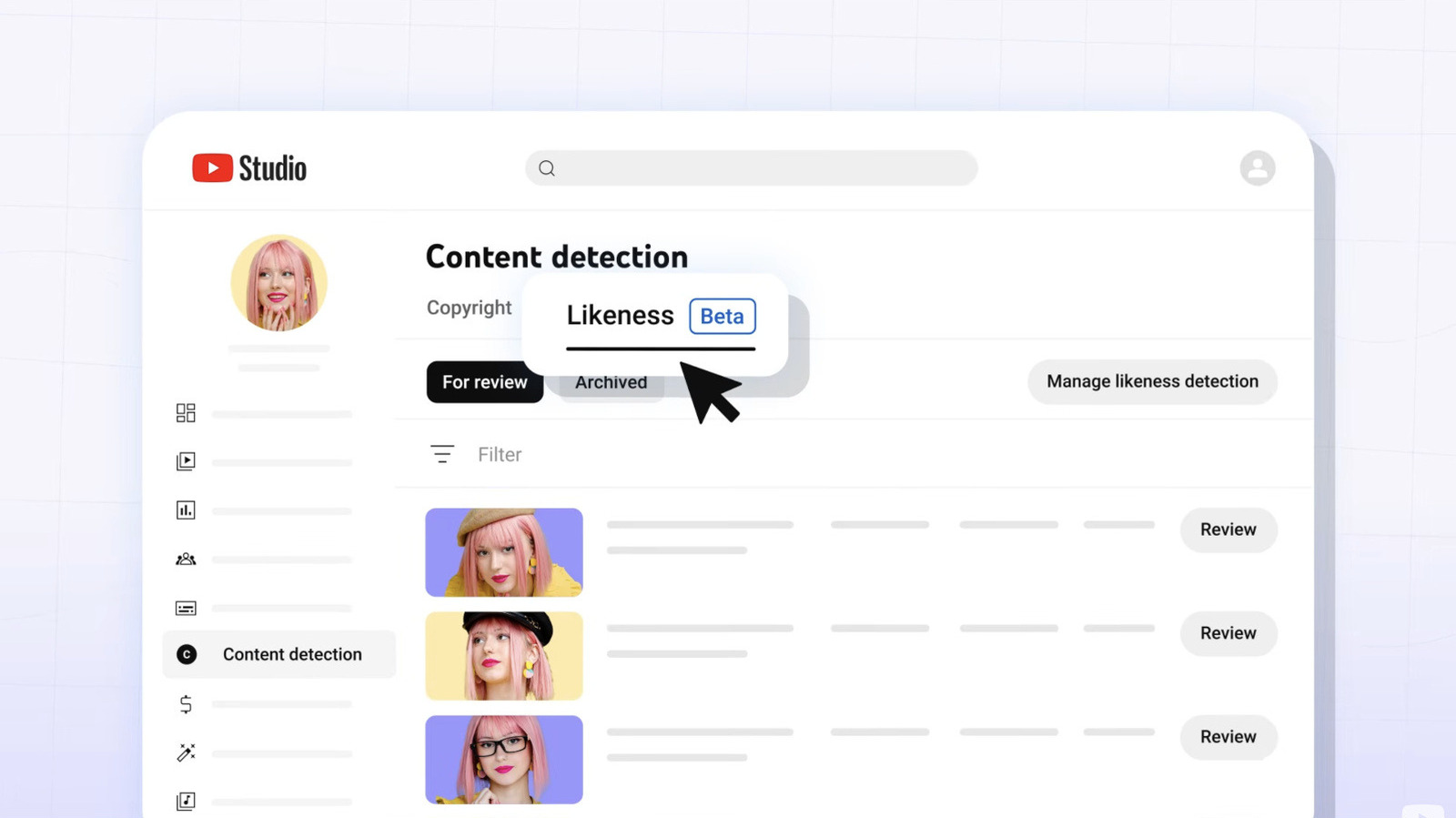
Screenshot
- YouTube has expanded its AI-based likeness detection tool to all creators aged 18 and older, removing previous eligibility requirements like YPP membership.
- The verification process requires users to upload government identification and a selfie video through YouTube Studio to enable continuous monitoring of their likeness in new uploads.
- The tool allows creators to proactively identify and request the removal of unauthorized AI content, though it currently focuses on facial likeness rather than standalone voice cloning.
Strengthening Digital Sovereignty Against AI Misuse
As the digital landscape becomes increasingly saturated with hyper-realistic AI-generated content, protecting one’s personal identity has become a critical challenge for online creators. YouTube has officially announced a significant expansion of its AI-driven likeness detection tool, now available to all creators aged 18 and older. This rollout marks a major step forward in democratizing safety features that were previously reserved for elite monetization partners.
How the Likeness Detection Technology Works
The platform’s sophisticated detection system is designed to provide peace of mind by identifying instances where a user’s face has been synthesized or cloned into AI-generated videos uploaded to the site. The primary objective is to streamline the process of reporting and requesting the removal of unauthorized content, ensuring that creators maintain control over their digital footprint.
To utilize this protection, users must undergo a robust verification process. The workflow involves:
- Accessing the ‘Likeness’ section within the YouTube Studio desktop dashboard.
- Authenticating via a mobile-based QR code scanner.
- Completing a identity verification process using a government-issued ID and a brief selfie video.
Once registered, the platform’s background systems continuously monitor new uploads for matches against the creator’s verified biometric data. If a potential match is identified, the creator is notified via the dashboard, where they can review the content and initiate a takedown request if the usage is unauthorized.
Expanding Protections Beyond the Partner Program
Previously, this technology was gated behind the YouTube Partner Program (YPP), limiting its availability to creators who met specific follower and watch-time thresholds. By removing these barriers, YouTube is signaling a commitment to protecting the entire ecosystem, from burgeoning new accounts to established digital influencers. Although primarily marketed to creators, the move acknowledges that anyone—regardless of their follower count—can fall victim to malicious AI impersonation.
While the current tool is highly effective at identifying visual likenesses, it is important to note that it cannot currently detect voice cloning in isolation. However, YouTube does invite users to report instances of voice simulation during the removal request process, allowing the company to aggregate data and refine their detection algorithms over time.
The Future of Content Authenticity
This initiative is part of a broader industry push to curb the rising tide of deepfake misinformation. By providing creators with the agency to police their own likeness, YouTube is not only protecting individual intellectual property but also fostering a more transparent and trustworthy environment for viewers. As AI technology continues to evolve, tools like these will remain essential in the ongoing effort to balance innovation with individual security.