Oura Health Targets Public Markets: Smart Ring Pioneer Files for IPO

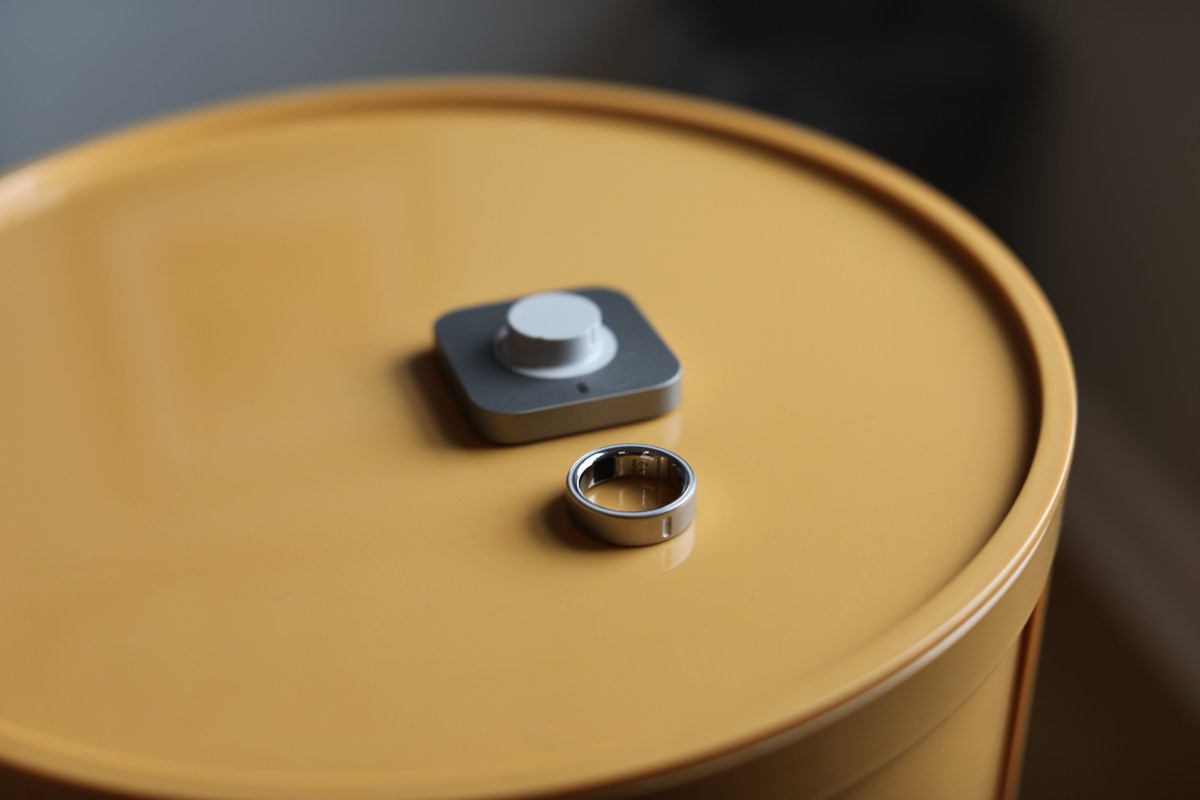
- Oura has confidentially filed a Form S-1 with the SEC to initiate its public offering process.
- The company reached an $11 billion valuation in its latest funding round, fueled by the sale of over 5.5 million smart rings.
- Oura is doubling down on growth by integrating advanced AI models into its software suite, specifically targeting personalized women's health insights.
The Wearable Market’s Discreet Leader Prepares for Public Trading
The wearable technology landscape is set for a significant shakeup as Oura, the Finnish developer of the iconic Oura Ring, has officially announced its intention to go public. The company confirmed this week that it has confidentially submitted a Form S-1 filing to the U.S. Securities and Exchange Commission (SEC), marking a pivotal transition from a venture-backed startup to a publicly traded entity.
Redefining the Wearable Form Factor
Since its founding in 2015, Oura has carved out a unique niche in the competitive fitness tracker market. While major tech giants like Apple, Garmin, and Fitbit have focused heavily on wrist-based sensors, Oura successfully pivoted to a minimalist, unobtrusive form factor. By concentrating on sleep hygiene, physiological recovery, and “readiness” metrics, Oura has gained a dedicated following among health-conscious consumers who prefer a less intrusive wearable device.
Stellar Growth and Financial Trajectory
Oura’s path to the public market is backed by robust financial performance. In its most recent Series E funding round, the company secured an impressive $875 million, catapulting its valuation to $11 billion—a significant milestone that doubled its previous valuation of $5 billion in 2024. The company’s growth is further evidenced by its sales figures: Oura reported that it had sold 5.5 million units as of last September, more than doubling its total sales count of 2.5 million from the previous year. This trajectory signals strong consumer demand for health-centric, fashion-forward hardware.
Expanding the AI-Driven Health Ecosystem
Beyond hardware, Oura has been aggressively advancing its software capabilities to maintain its competitive edge. A key element of its recent strategy is the integration of proprietary AI models tailored toward women’s health. By leveraging data to provide deeper, personalized insights, Oura is aiming to capture a broader segment of the market and drive higher user retention. As the company prepares for its debut on the stock exchange, this focus on AI-driven analytics will likely be a core component of its pitch to institutional investors, distinguishing it from traditional fitness trackers that rely solely on surface-level activity data.
As the IPO process gains momentum, the tech sector will be watching closely to see how Oura’s specialized wearable strategy resonates in the broader equity markets. With the smart ring category witnessing increased competition, Oura’s public transition could signify the maturation of health-focused hardware as a pillar of the future digital health economy.