SpaceX Prepares for Starship V3 Debut: Pushing the Boundaries of Reusability

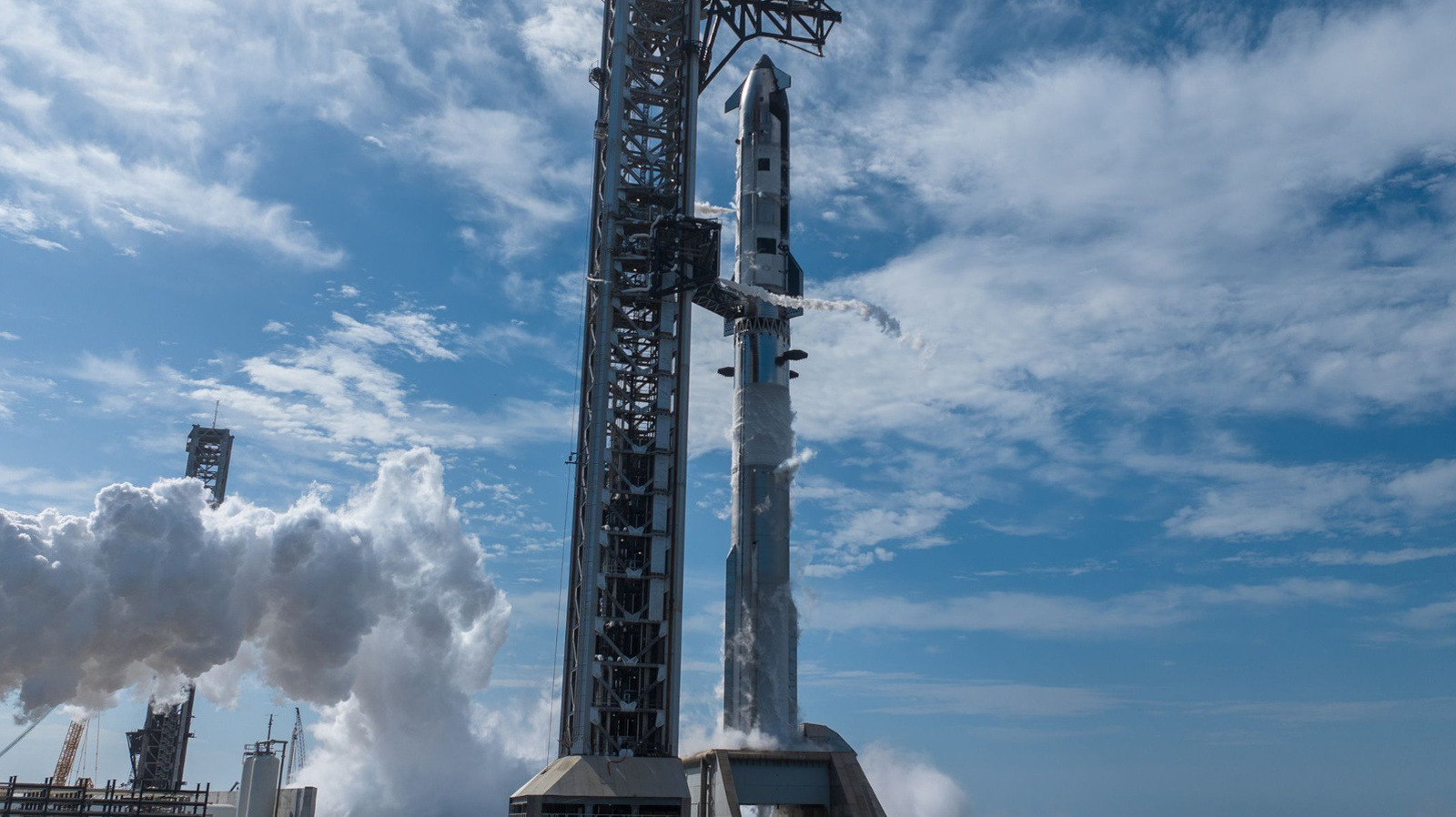
- SpaceX is targeting a 6:30 PM ET launch for the Starship V3 debut today, following a one-day delay caused by a hydraulic pin issue.
- The V3 version introduces more powerful Raptor 3 engines and advanced avionics, significantly increasing thrust and enabling future full reusability.
- For this flight, the Super Heavy booster will land in the Gulf of Mexico while the upper stage tests new thermal shielding and flight maneuver capabilities.
The Next Evolution of Heavy-Lift Spacecraft
SpaceX is poised to mark a pivotal moment in aerospace history with the debut flight of the Starship V3. Following a brief delay yesterday due to a technical snag involving a hydraulic pin on the launch tower arm, the team at Starbase, Texas, is readying for a launch window opening at 6:30 PM Eastern time today, May 22, 2026. This marks the 12th integrated flight test of the Starship program and the first time the upgraded V3 architecture will face the rigors of flight.
Engineering Upgrades: The Raptor 3 Era
The V3 iteration is not merely a refinement; it is a significant structural and mechanical leap forward. Standing approximately five feet taller than its predecessor, the vehicle boasts substantial performance enhancements. Central to these improvements is the integration of the Raptor 3 engines. Across both the Super Heavy booster and the upper-stage Ship, these engines offer increased thrust-to-weight ratios, with the Super Heavy’s 33-engine array capable of producing over 18 million pounds of thrust. This power is essential for SpaceX’s long-term vision of transporting heavier payloads to deep-space destinations.
Mission Objectives and Testing Parameters
Unlike recent test flights that focused on the precision of the ‘Mechazilla’ capture system, this inaugural V3 flight will prioritize data collection and vehicle stability. SpaceX has confirmed that the Super Heavy booster will perform a controlled splashdown in the Gulf of Mexico rather than attempting a tower catch. This approach allows engineers to validate the structural integrity and flight dynamics of the redesigned vehicle before integrating complex recovery maneuvers.
The upper-stage Ship carries a specialized payload suite, including 20 Starlink satellite simulators and two modified satellites equipped with diagnostic hardware. The primary technical objectives for this flight include:
- Thermal Shield Analysis: Utilizing onboard sensors and camera feeds to monitor the heat shield’s performance under reentry-mimicking stress.
- Avionics Overhaul: Testing the new flight computer architecture designed for high-frequency flight rates and full, rapid reusability.
- Maneuver Validation: Executing intentional stress tests on the rear flaps to simulate the trajectory required for future return-to-launch-site operations.
Looking Toward the Future
With each iteration, SpaceX continues to refine the Starship ecosystem, transitioning from experimental prototypes to a reliable workhorse for global connectivity and interplanetary travel. By focusing on enhanced reliability and full reusability, the V3 platform represents the final bridge toward making sustainable, large-scale space operations a reality. Enthusiasts and stakeholders can catch the live broadcast of the launch proceedings directly via SpaceX’s official channel on X.