The AI Backlash: Why Commencement Speakers Are Facing a Hostile Audience

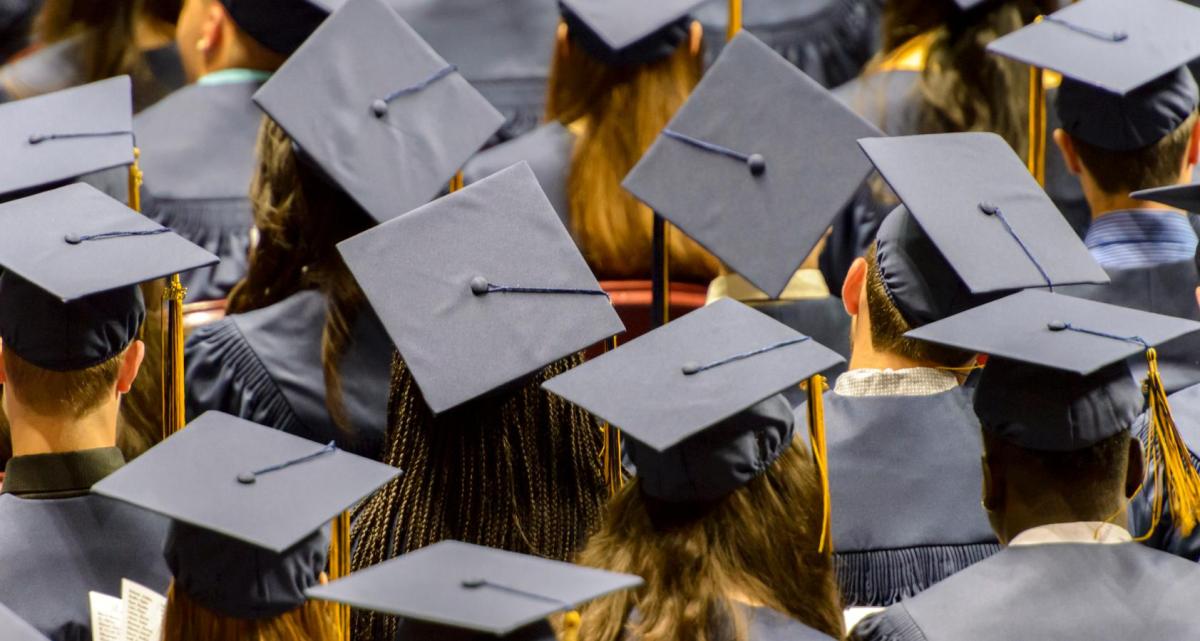
The Changing Tide: When Commencement Speeches Meet AI Fatigue
Commencement season is traditionally a time for inspiration, hope, and forward-looking advice. However, as the class of 2026 takes the stage, a growing trend has emerged: university speakers are finding that artificial intelligence—once the darling of Silicon Valley—is becoming a lightning rod for student resentment.
Recent events at universities across the U.S. suggest that the narrative surrounding the ‘AI revolution’ is no longer landing with the intended optimism. Instead, it is being met with audible frustration, booing, and collective pushback from a generation deeply concerned about their economic prospects.
The Sound of Discontent
During a recent commencement address at the University of Central Florida, Gloria Caulfield experienced this firsthand. When she framed the rise of AI as the ‘next industrial revolution,’ she was met with a chorus of boos. Similarly, former Google CEO Eric Schmidt faced significant hostility at the University of Arizona, where his attempt to encourage students to ‘shape artificial intelligence’ and join the ‘rocket ship’ was drowned out by a restless crowd.
While industry titans like Nvidia’s Jensen Huang have managed to discuss the reinvention of computing at Carnegie Mellon without facing similar backlash, the pattern of disruption indicates a fundamental shift in how Gen Z perceives technological advancement.
Why Students Are Booing the ‘Future’
The skepticism is not merely an anti-tech sentiment; it is a symptom of broader socio-economic anxiety. Several key factors are driving this disconnect:
- Economic Pessimism: According to recent Gallup polling, optimism among Americans aged 15 to 34 regarding the local job market has plummeted from 75% in 2022 to just 43% today.
- Fear of Displacement: AI is increasingly viewed not as a tool for empowerment, but as a harbinger of job market instability and the automation of creative and entry-level roles.
- The Face of Capitalism: As journalist Brian Merchant noted, for many young graduates, AI has become the ‘cruel new face of hyper-scaling capitalism,’ representing a future where machines replace human agency rather than enhancing it.
Redefining the Graduation Message
The core of the issue lies in the dissonance between the speakers’ tech-optimist rhetoric and the reality students face. While speakers often emphasize ‘resilience’ in the face of fractured politics and climate instability, AI is often framed as an inevitability—a message that feels dismissive to a generation that feels they are inheriting a mess they did not create.
For future commencement speakers, the lesson is clear: if you intend to discuss the future of work, you must move beyond the standard Silicon Valley pitch. Students are not just looking for a technological roadmap; they are looking for validation of their economic fears and a vision that places human value at the center of the industrial shift, rather than treating them as mere passengers on an automated rocket ship.
As we look toward 2027 and beyond, the speakers who succeed will be those who bridge the gap between technological prowess and human empathy, moving away from abstract promises and toward addressing the tangible realities of a digital-first economy.