Why AI Has Become the Third Rail of 2026 Commencement Speeches

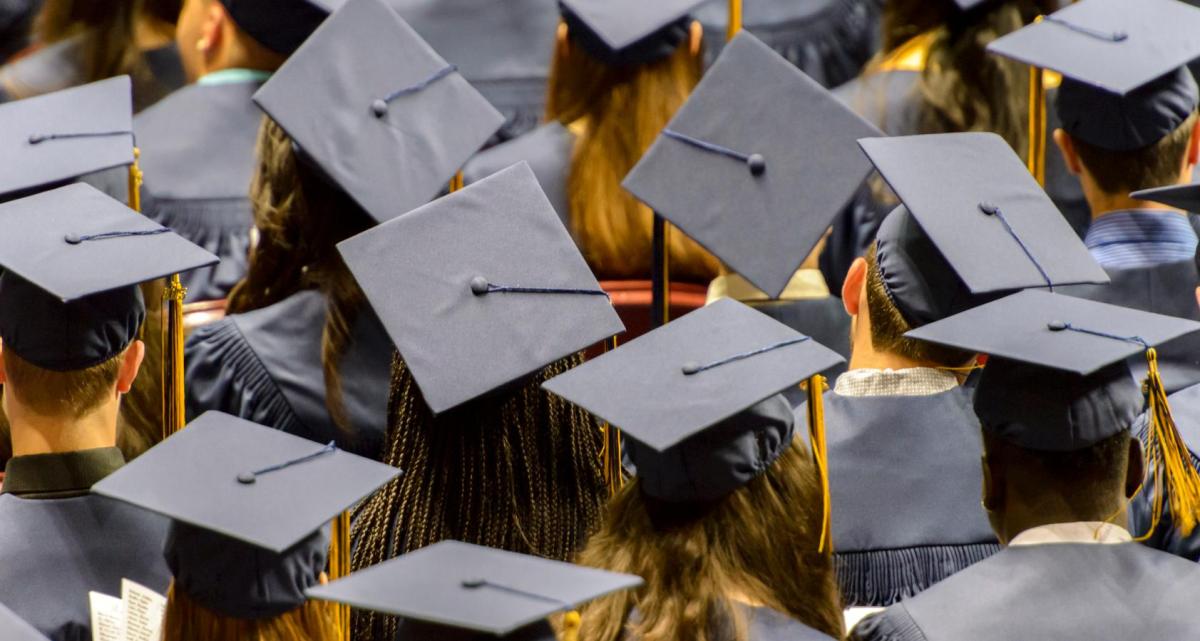
The Changing Tide of Commencement Address Rhetoric
As the 2026 graduation season reaches its peak, a curious and somewhat hostile trend has emerged on university campuses: student bodies are actively revolting against the mention of Artificial Intelligence. While tech-focused commencements were once seen as inspirational, recent events at major institutions like the University of Central Florida and the University of Arizona suggest that the “AI-future” narrative is no longer resonating with the graduating class—it is actively inciting backlash.
The Sound of Student Dissent
During a recent commencement address, Tavistock Development Company executive Gloria Caulfield attempted to frame AI as the “next industrial revolution.” The response was immediate and vocal: a cascade of boos that effectively derailed the speech. When Caulfield attempted to pivot, noting that AI was not a factor in daily life just a few years ago, the audience shifted from booing to ironic applause, highlighting the widening gap between corporate optimism and the lived reality of today’s students.
Similarly, former Google CEO Eric Schmidt faced significant opposition at the University of Arizona. While his appearance was already controversial due to separate allegations, the mention of AI as a “rocket ship” for students to board was met with persistent heckling. The irony was not lost on the audience: telling a generation fearful of job displacement that their primary future role is to manage AI agents is, for many, a difficult pill to swallow.
Why Are Students Pushing Back?
The resistance to AI in academic settings is not merely a rejection of technology; it is a symptom of broader economic anxiety. Consider the following factors driving this shift:
- Diminishing Job Market Confidence: Recent Gallup polling indicates that only 43% of young Americans (aged 15-34) believe it is a good time to find a job, a stark decline from 75% in 2022.
- The Symbolism of Automation: For many students, AI has become the face of “hyper-scaling capitalism”—a system that feels as though it is automating away human potential rather than enhancing it.
- Existential Fatigue: Graduates are entering a workforce burdened by concerns over climate change, political instability, and the looming fear that their chosen career paths are being rendered obsolete before they even begin.
The Exception to the Rule
Not all tech leaders are receiving this reaction. Nvidia CEO Jensen Huang, for instance, spoke at Carnegie Mellon University without encountering similar hostility. The difference may lie in the delivery; when industry leaders focus on the technical evolution and utility of computing rather than framing AI as an inevitable, dehumanizing force, the reception from students remains notably more constructive.
A Lesson for Future Speakers
The takeaway for potential commencement speakers in the coming years is clear: tone matters. The “AI-as-a-saviour” narrative is failing because it discounts the genuine, systemic anxieties of a generation inheriting a landscape of “fractured politics” and economic uncertainty. If speakers want to connect with the class of 2026 and beyond, they must address these concerns with empathy rather than empty platitudes about the “inevitability” of machine-led progress. As the data suggests, the students aren’t just listening—they are critiquing the vision of the future they are being sold.