The Googlebook Dilemma: Is Google’s Android-Centric Laptop Strategy Missing the Mark?

Is ‘Googlebook’ Just Another Overhyped AI Accessory?
Google recently pulled back the curtain on its highly anticipated “Googlebook” project—a daring attempt to merge the Android ecosystem with the functionality of ChromeOS. While the integration of Gemini AI is at the forefront of this initiative, initial reactions from the tech community have been lukewarm. As Google attempts to pivot its laptop strategy, one critical question remains: Does this hardware actually solve a problem for the modern user, or is it merely a solution in search of a problem?
The AI-First Pitfall
The primary value proposition for the Googlebook is its deep-rooted integration with Gemini. The standout feature demonstrated during the announcement was the “Magic Pointer,” an intuitive cursor control that triggers Gemini responses through simple on-screen gestures. While this interface improvement is undeniably slick, it is hardly revolutionary.
Critics are pointing out a glaring issue: the Magic Pointer is already slated for a rollout on the standard Chrome browser. When your primary “killer feature” is software that can be ported to any existing machine, the incentive to invest in new, proprietary hardware diminishes rapidly. Beyond the pointer, the Googlebook touts widget support and cross-device app mirroring—features that feel more like iterative software updates than reasons to purchase a premium laptop.
Defining the Modern Laptop Role
The core philosophy of the Googlebook seems to be the democratization of mobile-first experiences on larger screens. However, in 2026, the market for portable computing is more specialized than ever. For most users, smartphones have already become the primary hub for daily AI-driven tasks.
To justify a standalone laptop purchase, the hardware must provide utility that a smartphone cannot match. The current Googlebook roadmap focuses heavily on:
- App Mirroring: Extending the Android experience to a desktop environment.
- Quick Access Integration: Seamless file management between devices.
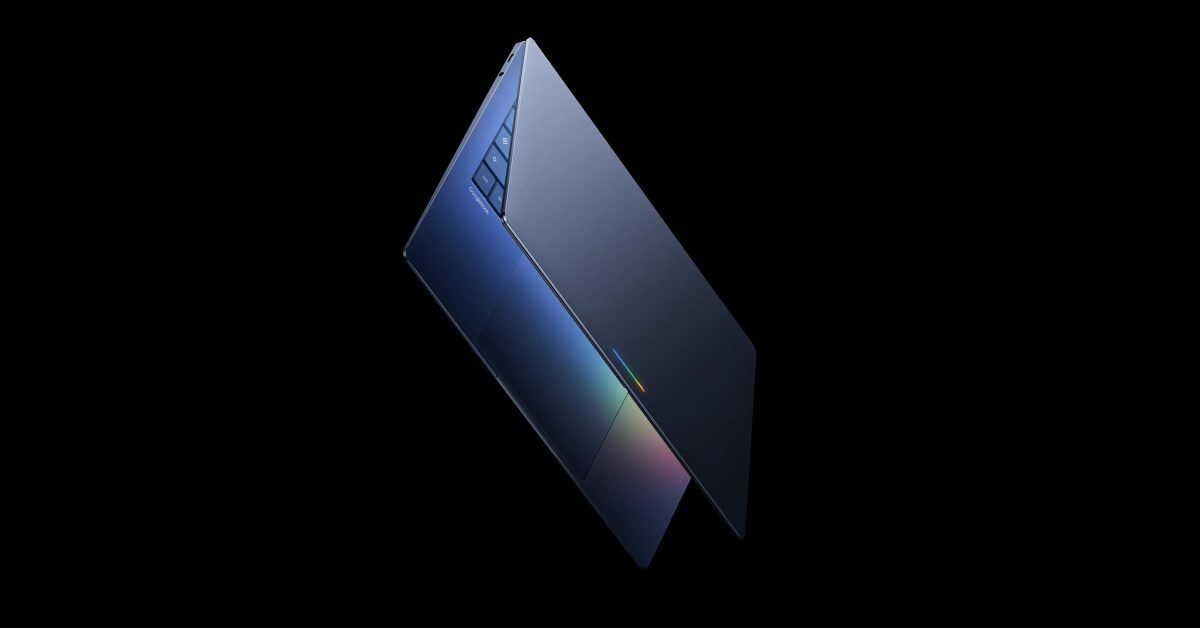
- Hardware Aesthetics: The introduction of the signature “Glow Bar” as a premium design language.
Why Google Needs a Stronger Narrative
While the hardware looks sleek, aesthetics alone won’t move units in a competitive market. Consumers buy laptops today for specific, high-intensity workflows—advanced video editing, complex data analysis, and professional-grade content creation. If the Googlebook is marketed primarily as a vessel for AI chatbots that could just as easily run on a mid-range phone, the “premium” price tag will be a tough sell.
Google’s challenge isn’t just about software convergence; it’s about defining the purpose of the laptop in an era of pocket-sized supercomputers. If the Googlebook is to succeed, it must prove that it is more than just an Android phone with a physical keyboard. Until Google can articulate why a user needs a dedicated, AI-heavy laptop over a standard desktop or a flagship smartphone, the Googlebook risks being relegated to a niche experiment rather than a successor to the ChromeOS legacy.