The Great Automotive Pivot: Why the AI Skills Arms Race is Transforming the Industry

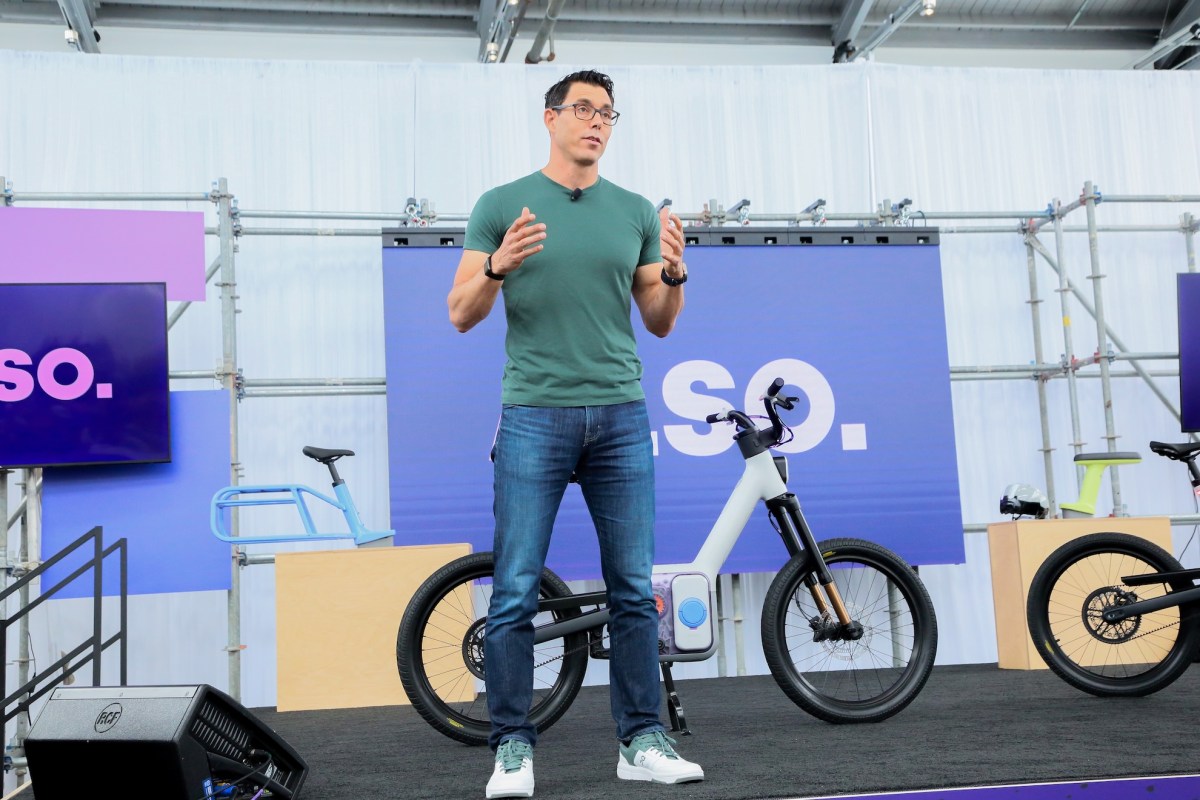
The Automotive Workforce Shift: Embracing the AI Era
The automotive industry is currently navigating a period of profound technological transition. As legacy manufacturers pivot toward software-defined vehicles and autonomous capabilities, a clear trend is emerging: the industry is undergoing an aggressive ‘AI skills arms race.’ This shift is effectively redesigning the automotive workforce, creating high-demand opportunities for specialized talent while simultaneously rendering traditional IT roles obsolete.
The Skills Swap: Why Manufacturers are Cutting Back
General Motors recently made headlines by laying off approximately 600 salaried employees within its IT department. While such workforce reductions are significant, the company characterizes the move as a deliberate ‘skills swap.’ The goal is not merely to shrink the payroll, but to clear a path for recruitment focused on specialized artificial intelligence expertise.
The industry’s new North Star consists of a specific set of technical capabilities that are becoming vital for competitive survival:
- AI-Native Development: Building applications from the ground up that leverage neural networks.
- Data Engineering and Analytics: Processing the massive streams of telemetry data generated by modern vehicle sensors.
- Cloud-Based Engineering: Ensuring seamless connectivity and over-the-air updates.
- Agent and Model Development: Creating autonomous agents capable of complex decision-making.
- Prompt Engineering & AI Workflows: Operationalizing AI to streamline internal automotive design and manufacturing processes.
The Broad Industry Impact
This trend is not isolated to GM. Recent reports suggest that major automotive titans, including Ford and Stellantis, have collectively shed over 20,000 U.S. salaried positions from recent peaks. While these cuts are tied to a complex web of macroeconomic factors, the move toward AI integration is a primary driver. Manufacturers are pivoting away from legacy IT maintenance toward building systems that treat the vehicle as a data-driven platform.
Real-World Implementation: Beyond the Hype
While some companies are still struggling to find tangible ROI from their AI investments, others are proving that data monetization is possible. A prime example is Samsara. Having spent years deploying driver-monitoring cameras across commercial fleets, the company has successfully pivoted that data asset. By training its own specialized models to identify and track pothole deterioration, Samsara has turned its monitoring hardware into a municipal infrastructure service, securing contracts with cities like Chicago.
Investment Trends and the Future of Mobility
Capital continues to flow into companies that prioritize sophisticated AI and robotics integration. Notably, companies like Rivian and its associated ventures continue to draw massive interest from institutional investors. With over $12 billion in venture capital funding poured into RJ Scaringe’s projects, it is clear that the market is banking on the success of these AI-first architectures. As the automotive industry moves toward 2030, the ability to build and deploy complex AI models will be the primary differentiator between market leaders and those left behind in the rearview mirror.
Stay tuned to Teknolojia.org for ongoing analysis on how artificial intelligence is reshaping the future of transportation and mobility.