Roadblocks for Autonomy: Tesla Robotaxi Struggles Exposed by New Crash Data

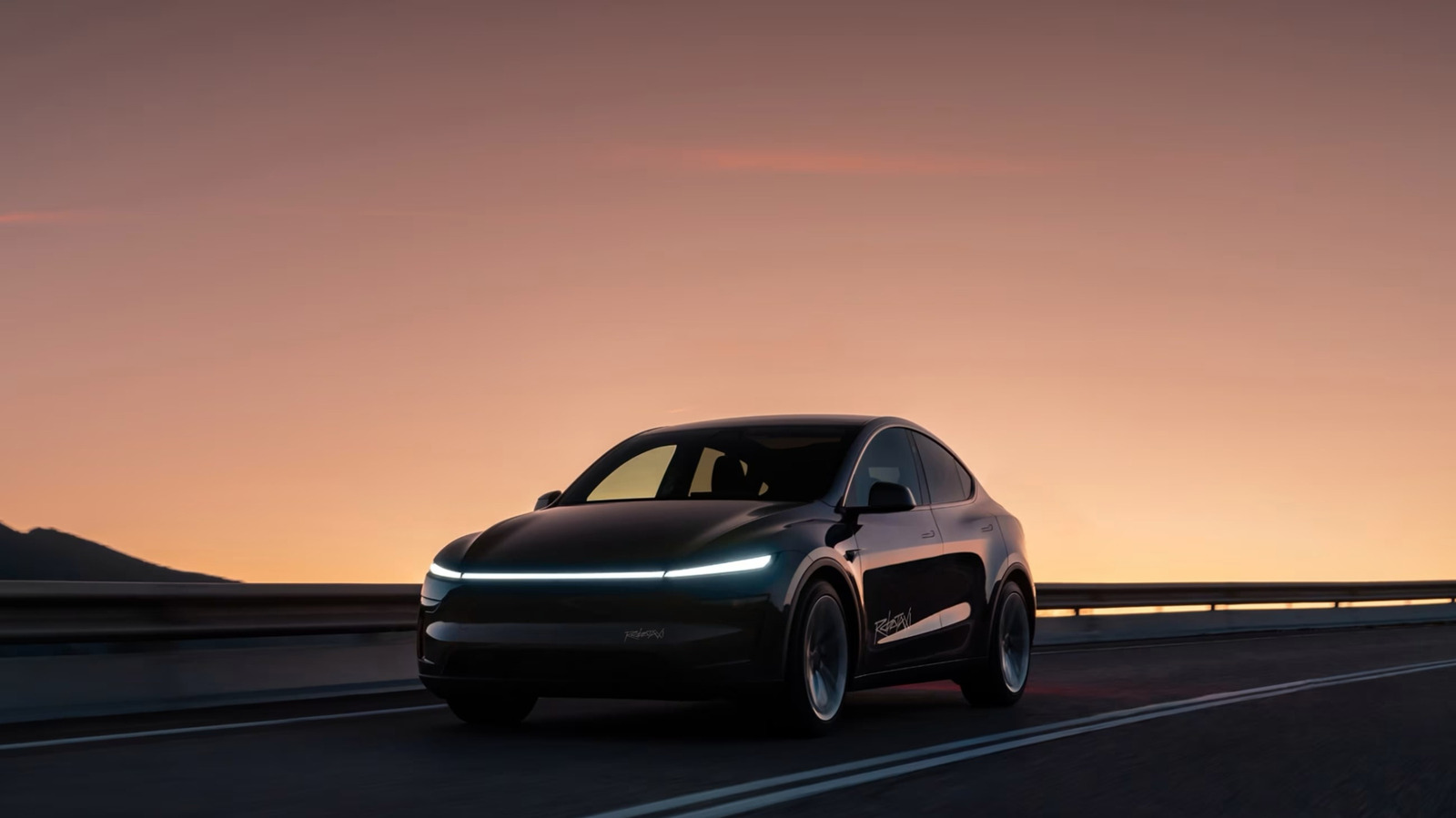
- New NHTSA disclosures reveal that two Tesla robotaxi crashes were caused by remote human operators rather than autonomous software.
- The incidents, occurring in Austin, involved remote drivers accelerating into curbs, fences, and construction barricades.
- Service reliability is under fire, with reports of excessive wait times and inaccurate drop-off points, signaling that Tesla remains far behind established competitors like Waymo in operational maturity.
The Reality Behind Tesla’s Autonomous Expansion
Tesla’s vision of a fully autonomous robotaxi fleet faces increasing scrutiny as newly unredacted data from the National Highway Traffic Safety Administration (NHTSA) reveals a series of concerning incidents. While Tesla has long championed its Full Self-Driving (FSD) technology, the revelation that remote human operators were actively controlling vehicles during multiple accidents raises significant questions about the readiness of their robotaxi service.
Remote Intervention Gone Wrong
Historically, Tesla has kept much of its crash data under wraps, citing confidential business interests. However, recent disclosures indicate that at least two incidents in Austin, Texas, involved remote human intervention. In these cases, the teleoperators—rather than the AI software—were directly steering the vehicles when the accidents occurred. Specific reports include:
- The Curb Incident (July 2025): A remote operator, responding to a request for assistance, reportedly accelerated the robotaxi, causing it to strike a curb and collide with a metal fence.
- The Construction Collision (January 2026): An operator took command of a vehicle only to collide with a construction barricade while traveling at approximately 9 MPH.
These events highlight a stark departure from industry standards. While competitors like Waymo utilize remote assistance for guidance or path-clearing, Tesla’s reliance on human remote driving introduces a unique layer of latency and operational risk that appears to be struggling in real-world conditions.
Beyond the Crashes: Operational Inefficiencies
The challenges for Tesla go beyond safety incidents. On-the-ground reporting suggests that the robotaxi service is currently hampered by significant operational inefficiencies. Users are encountering long wait times, with some journeys taking significantly longer than they would via traditional ride-sharing services. Furthermore, there are documented instances of the vehicles failing to reach precise destination points, often dropping passengers off well before their intended arrival locations, even within designated service zones.
The Competitive Landscape
While Tesla is certainly not the only company navigating the turbulent waters of autonomous vehicle regulation—Waymo, for instance, has also faced scrutiny—the specific nature of these issues suggests that Tesla has a long road ahead before it can achieve the reliability and scale required to compete effectively in the robotaxi market. As Tesla navigates these technical and regulatory hurdles, the gap between the company’s ambitious promises and the current passenger experience remains a critical point of interest for both investors and safety regulators.