The Siri Dilemma: Why Developers Are Wary of Apple’s iOS 27 AI Integration

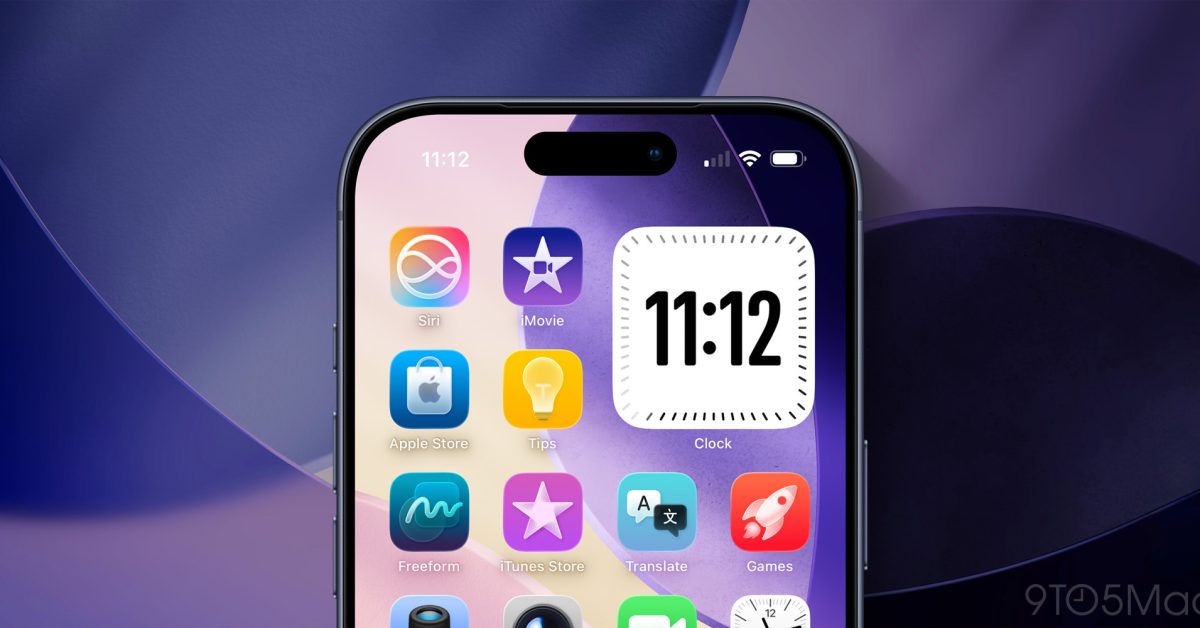
- Apple is aggressively pushing for developer integration with its new, AI-powered Siri for iOS 27 to enable deep in-app automation.
- Major global developers, including Baidu and Tencent, are reportedly hesitant due to concerns over future commission fees for AI-facilitated interactions.
- While Apple has promised no fees for the initial phase, its refusal to rule out future commissions has created a climate of uncertainty regarding the monetization of the new Siri ecosystem.
Apple’s AI Ambitions Meet Developer Skepticism
As the tech world gears up for WWDC, all eyes are on Apple’s upcoming software suite. With iOS 27 on the horizon, reports indicate that Apple is aggressively courting major developers to integrate their applications with a significantly overhauled Siri. While the prospect of AI-driven, cross-app functionality promises a seamless user experience, a growing sense of unease regarding future monetization is creating friction in these high-level partnerships.
The Push for App Intents and AI Agents
At the core of Apple’s strategy is the implementation of advanced “App Intents.” This technology is designed to empower Siri to execute complex, multi-layered actions within third-party apps without requiring the user to open them. By transforming Siri from a simple command-line assistant into a proactive AI agent, Apple hopes to bridge the gap between fragmented app ecosystems and unified, voice-activated automation.
Reports suggest that Apple is particularly focused on onboarding major players, including industry giants like Baidu, Alibaba, and Tencent. These integrations are essential if Apple intends to make its AI ecosystem truly global and functional across diverse market requirements.
The Commission Concern
However, the collaboration has hit a significant hurdle: the fear of future fees. According to recent insights from The Information, developers are hesitant to fully commit their resources to Siri integration due to concerns that Apple might eventually impose a commission structure on transactions or interactions facilitated through these AI agents.
While Apple has assured some developers that no commissions will be charged in the initial stages, the company has notably declined to rule out such fees in the long term. This uncertainty has left many developers questioning the sustainability of building deep, proprietary integrations into an ecosystem where the “rules of engagement” regarding revenue remain opaque.
Why This Matters for the Future of iOS
The potential for a “Siri tax” or a commission-based AI model could fundamentally alter the relationship between Apple and its developer community. If Apple moves forward with a monetization strategy for Siri-led actions, it could lead to:
- Hesitant Adoption: Smaller developers might avoid the tech entirely, limiting Siri’s utility to only the largest, most profitable apps.
- Ecosystem Fragmentation: If major developers build around these fees, users could see a disparity between “Siri-enabled” apps and those that remain walled off from AI agents.
- Regulatory Scrutiny: Any new fee structures for AI integrations will likely attract the attention of global regulators already keeping a close watch on Apple’s App Store policies.
As we approach the WWDC keynote, the tech industry remains at a crossroads. Apple needs a robust developer ecosystem to make its AI vision a reality, but it must balance its monetization goals against the trust and collaboration of the very developers who make the App Store the powerhouse it is today.