Apple Elevates Accessibility: Vision Pro Wheelchair Control and AI-Driven Interfaces

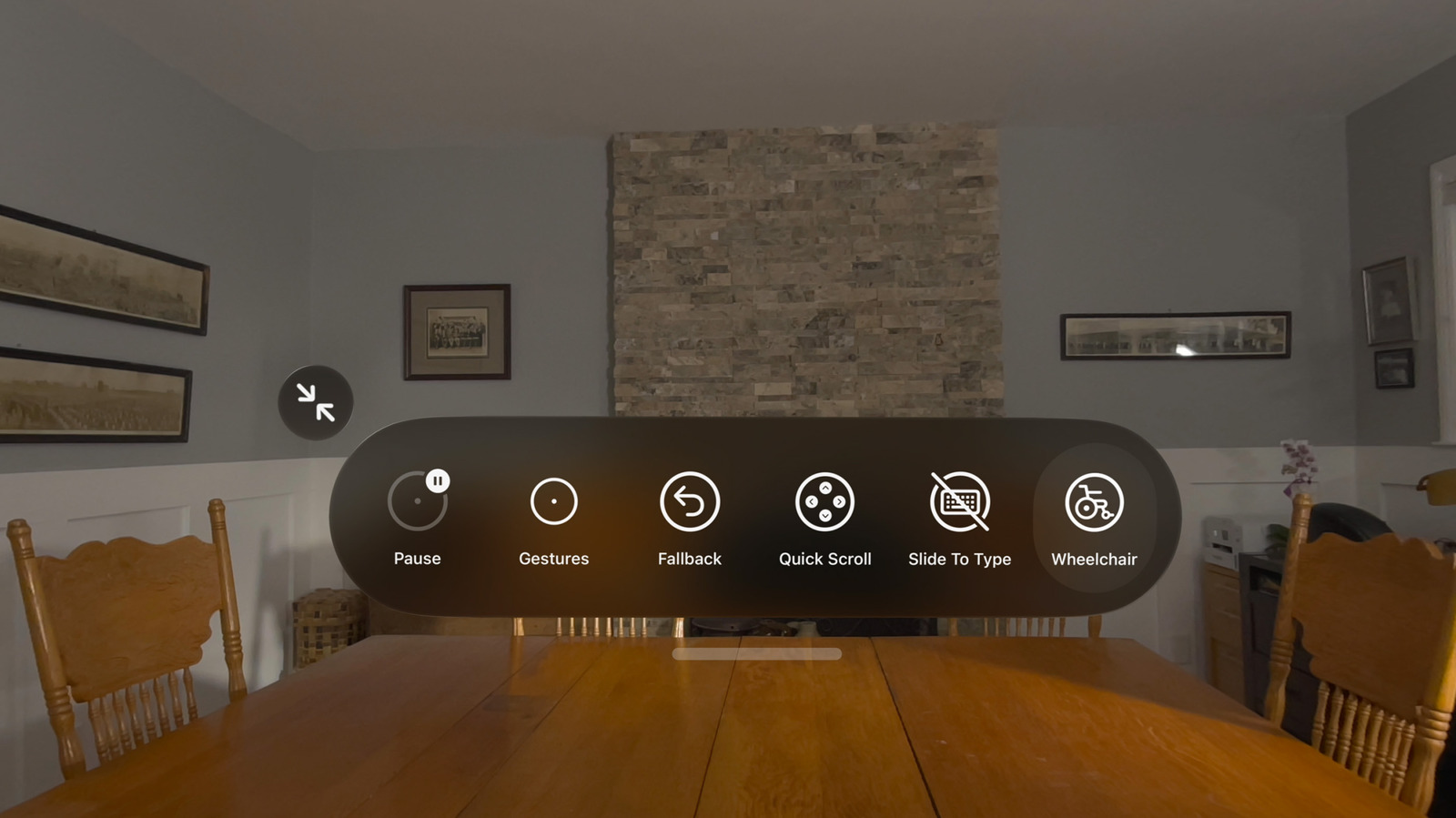
- Apple Vision Pro now supports eye-tracking controls for motorized wheelchairs, significantly enhancing mobility for users with physical impairments.
- Apple Intelligence introduces natural language navigation for Voice Control, allowing users to interact with apps using conversational commands rather than rigid labels.
- New AI-powered tools provide automated, on-device descriptive summaries for images, complex documents, and previously uncaptioned personal videos.
Revolutionizing Assistive Technology with Apple Intelligence
Apple has unveiled a significant suite of accessibility updates designed to leverage its proprietary AI framework, Apple Intelligence, to foster greater independence for users with diverse needs. Announced in anticipation of Global Accessibility Awareness Day (GAAD), these features represent a major leap forward in how hardware and machine learning can harmonize to remove barriers in the digital and physical worlds.
Vision Pro: Navigating the Physical World via Eye-Tracking
Perhaps the most groundbreaking announcement is the integration of power wheelchair control within the Apple Vision Pro ecosystem. By utilizing the headset’s highly precise eye-tracking sensors, users can now interface with compatible motorized wheelchairs. This feature provides a responsive, intuitive navigation method that functions reliably across various lighting conditions, minimizing the need for constant recalibration. By supporting industry-standard drive systems like TOLT and LUCI via Bluetooth and wired connections, Apple is transforming the Vision Pro from a spatial computing device into a critical mobility tool.
Redefining Interaction with Apple Intelligence
Apple is embedding its AI engine across its accessibility stack to create more natural user experiences. Key updates include:
- Enhanced Voice Control: Navigation is no longer limited to specific labels. Users can now utilize natural language to interact with onscreen elements—simply saying “tap the purple folder” or “open the restaurant guide” allows for seamless app navigation.
- Intelligent VoiceOver: Through the Image Explorer feature, VoiceOver can now interpret complex images, scanned documents, and personal records, providing descriptive context that was previously unavailable to visually impaired users.
- Context-Aware Magnifier: The Magnifier app now uses AI to provide detailed visual descriptions and voice-activated controls via the iPhone Action button, enabling hands-free operation in high-contrast environments.
Enhanced Media and Productivity
The update also addresses information accessibility. The Reader function can now parse complex scientific layouts, including multi-column tables and images, providing concise, on-demand summaries. Furthermore, system-wide, on-device generated subtitles will now appear for personal videos and media lacking native captions, ensuring that content created by friends and family remains accessible to all.
By prioritizing privacy-by-design, these updates ensure that sensitive biometric and behavioral data remain processed on-device. As Apple continues to refine these tools, the synergy between Apple Intelligence and its hardware ecosystem promises a more inclusive future for tech users worldwide.