Roadblocks for Autonomy: Tesla’s Robotaxi Ambitions Face Scrutiny Over Remote Operation Failures

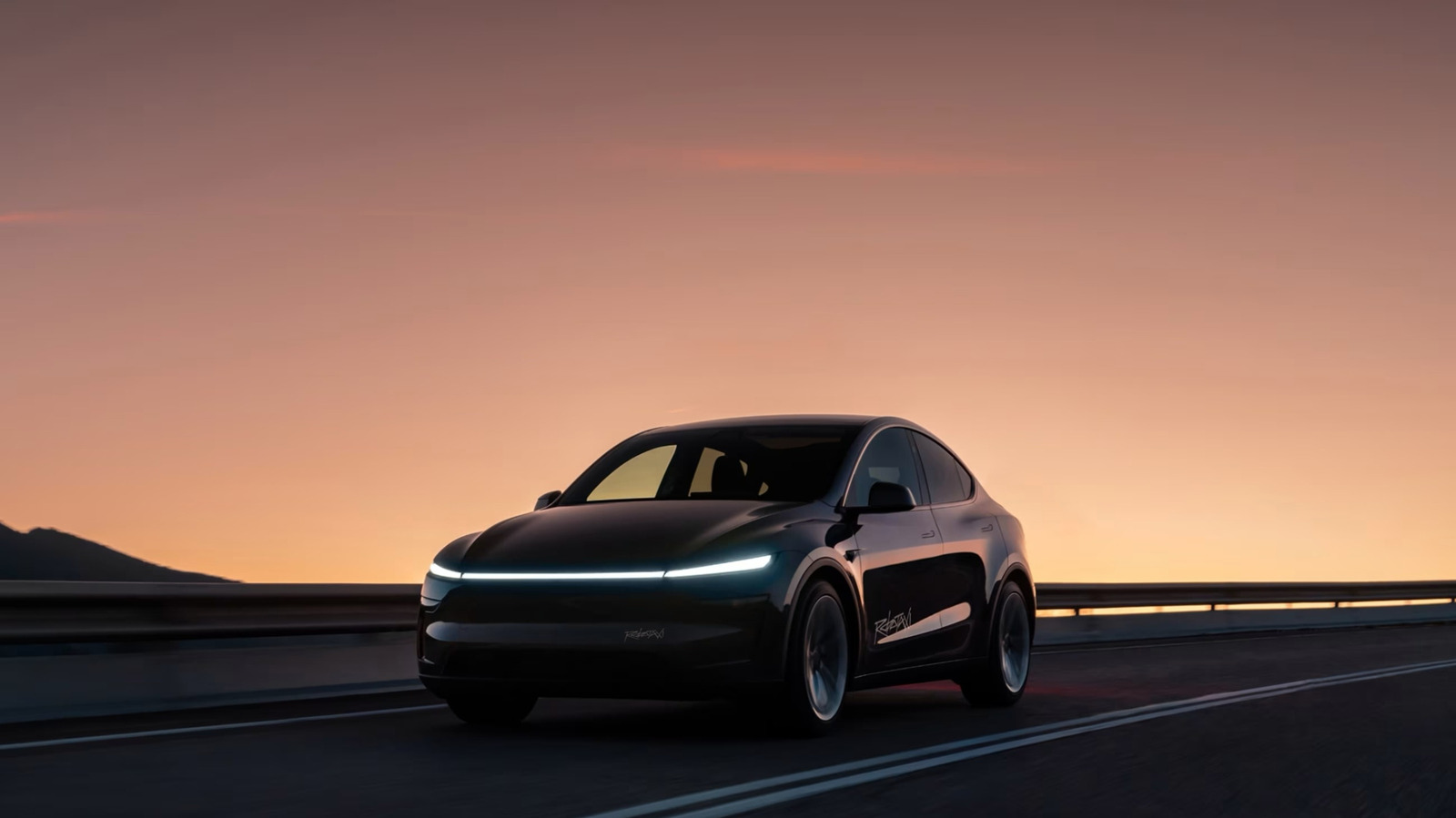
- NHTSA data reveals two accidents caused by remote teleoperators, calling into question the safety of Tesla's human-in-the-loop remote driving protocol.
- Operational trials show significant friction, including extreme ride wait times and systemic failures in accurate passenger drop-offs.
- Tesla’s current reliance on active remote control places it behind industry competitors like Waymo, which utilize more advanced autonomous software logic.
The Reality Behind Tesla’s Robotaxi Expansion
Tesla’s aggressive push into the autonomous ride-hailing market is facing significant regulatory and operational headwinds. Recent disclosures from the National Highway Traffic Safety Administration (NHTSA) have shed light on the performance of Tesla’s robotaxi fleet, revealing that the path to full autonomy may be more fraught with challenges than the company’s marketing suggests.
Remote Operations Under Fire
While the allure of a driverless future is central to Tesla’s value proposition, newly unredacted data has unveiled a concerning reliance on human teleoperators. Unlike other industry players that typically utilize remote monitors only to provide high-level guidance to software, Tesla has confirmed that its remote staff are capable of taking direct control of the vehicles. This revelation comes on the heels of two notable accidents in Austin, Texas, involving remote-operated Tesla robotaxis.
In one documented incident from July 2025, a teleoperator allegedly increased the vehicle’s speed before steering it onto a curb and into a metal fence. A subsequent incident in January 2026 saw a remote operator strike a construction barricade while traveling at 9 MPH. These incidents highlight the precarious nature of remote intervention—a technology intended to solve edge-case scenarios but which has instead introduced new safety concerns.
Beyond Remote Control: Operational Inefficiencies
The safety concerns are compounded by significant service reliability issues. Recent field reports indicate that the user experience remains far from optimized. In Dallas, for instance, commuters have documented extreme wait times, with one trip taking nearly two hours for a five-mile journey—a route that would typically take 20 minutes under normal conditions. Furthermore, passengers have reported “drop-off drift,” where vehicles terminate trips several miles away from the intended destination despite the location being well within the designated service coverage area.
The Competitive Landscape
Tesla is certainly not the only company grappling with the complexities of Level 4 and Level 5 autonomy. Rivals like Waymo have faced their own regulatory hurdles and public scrutiny regarding software reliability. However, the data suggests that Tesla is currently struggling to match the operational maturity of its competitors. While other firms focus on refining sophisticated sensor fusion and decision-making logic, Tesla’s reliance on remote human intervention to navigate urban environments raises questions about the scalability of its current approach. As the company looks to expand its footprint, bridging the gap between “driver-assisted remote control” and “true autonomous operation” will be the defining challenge of the coming years.