Mars Rover Milestones and the Hidden Atmospheric Cost of Satellite Megaconstellations

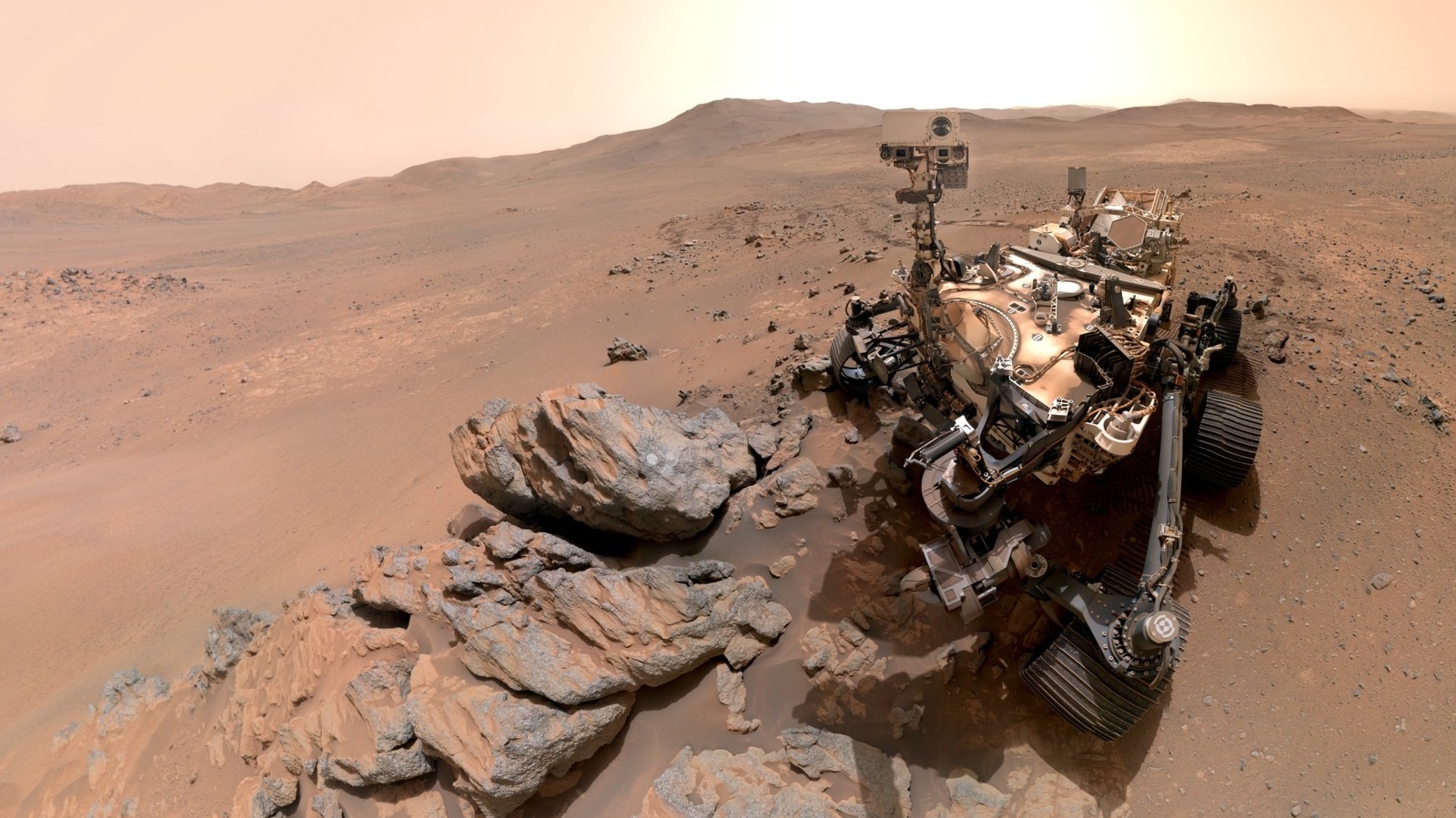
- NASA's Perseverance rover has reached the 'Lac de Charmes' region on Mars, identifying 3.9-billion-year-old rocks and volcanic structures that could hold evidence of ancient microbial life.
- A new study warns that the rapid growth of satellite megaconstellations could result in 870 metric tons of soot being deposited in the upper atmosphere annually by 2029.
- Researchers caution that this unregulated 'geoengineering' could lead to significant, long-term climate consequences, necessitating urgent oversight of the space launch industry.
Perseverance Rover Continues Its Martian Odyssey
NASA’s Perseverance rover has hit a significant milestone in its mission to uncover the secrets of the Red Planet. Currently operating in the “Lac de Charmes” region west of the Jezero Crater, the rover has captured a stunning new selfie—its sixth to date—while navigating the rugged “Arathusa” outcrop. This region is considered some of the most scientifically valuable terrain the mission has encountered since its inception five years ago.
The selfie, constructed from 61 individual images taken by the rover’s robotic arm, showcases the complex geological landscape Perseverance is currently traversing. Beyond the visuals, the rover is actively analyzing ancient rocks—some potentially dating back 3.9 billion years to a massive meteorite impact. Ken Farley, Perseverance’s deputy project scientist, notes that the area features rare geological structures, including what appears to be a volcanic dike—a vertical magma intrusion exposed by billions of years of erosion. The mission continues to collect core samples, moving steadily toward the “Gardevarri” site to further analyze Martian composition.
The Unseen Environmental Impact of the Space Industry
While NASA makes strides in exploration, a growing concern closer to home has come to light regarding the rapid expansion of satellite megaconstellations. With thousands of satellites deployed by companies like SpaceX and Amazon to provide global connectivity, the frequency of rocket launches has surged to unprecedented levels.
A recent study published in Earth’s Future highlights a troubling byproduct of this launch boom: atmospheric soot. Researchers estimate that by 2029, satellite launches will deposit approximately 870 metric tons of soot into the upper atmosphere annually. Unlike ground-level emissions, pollutants in the upper atmosphere can persist for years, potentially altering how the planet absorbs sunlight.
Unregulated Geoengineering Concerns
Lead researcher Eloise Marais of University College London warns that while the current cooling effect from this soot may seem negligible, it represents a form of “unregulated geoengineering.” The environmental consequences remain largely unstudied and could have long-term, irreversible impacts on the climate. Key findings from the research include:
- Increasing Contribution: Megaconstellation launches were responsible for roughly 35% of the space sector’s climate impact in 2020.
- Escalating Figures: This impact is projected to climb to 42% by 2029 if launch cadences continue at the current rate.
- Call to Action: Experts argue that now is the time to implement regulatory frameworks before the atmospheric buildup becomes a systemic climate issue.
As we continue to push the boundaries of space exploration, the scientific community is increasingly emphasizing the need for balance—weighing our ambition to map the stars against the health of our own fragile atmosphere.