Predictive Personalization: Apple to Enhance Genmoji with AI-Driven Suggestions in iOS 27

Revolutionizing Digital Expression: The Future of Genmoji
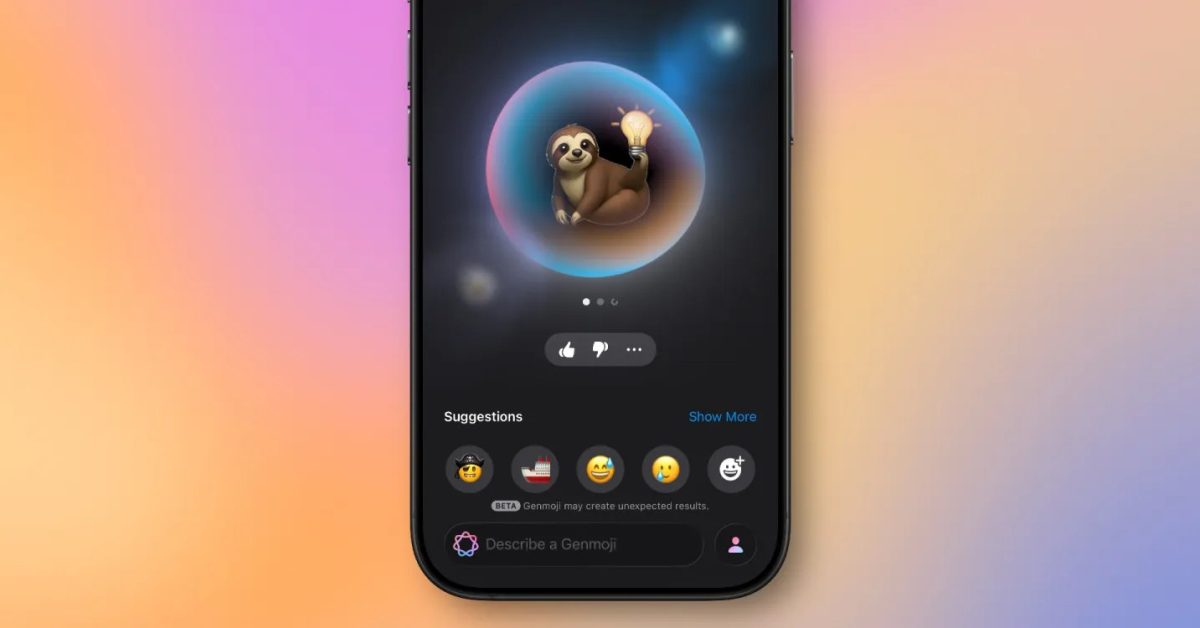
As Apple continues to refine its Apple Intelligence ecosystem, the latest reports indicate a significant leap forward for one of its most playful features. According to recent insights from the Power On newsletter, Apple is preparing to introduce suggested Genmoji in iOS 27 and iPadOS 27. This update aims to move beyond simple user-prompted generation, leveraging personal data to make digital communication more intuitive and context-aware.
How Suggested Genmoji Works
Since its inception in iOS 18.2, Genmoji has allowed users to create bespoke icons using text prompts. While the feature was a novel addition, it occasionally struggled with precision. In iOS 27, Apple plans to bridge the gap between intent and creation by introducing a new, optional toggle within the keyboard settings. These suggestions will be intelligently generated based on two primary data streams:
- Photo Library Integration: The system analyzes your photos to understand visual contexts, potentially creating Genmoji that reflect specific personal moments or subjects.
- Keyboard History: By interpreting your commonly typed phrases, the AI can proactively suggest emojis that align with your unique communication style.
Privacy and User Control
Apple continues to prioritize user autonomy in its AI roadmap. Acknowledging the potential concerns surrounding the analysis of personal photos and text history, the company has confirmed that the ‘Suggested Genmoji’ feature will be entirely optional. Users will retain the ability to toggle this functionality on or off within their device’s keyboard settings, ensuring that those who prefer traditional, manual creation can opt out of the predictive suggestions.
The Technical Balancing Act
A critical question remains: will these enhanced Genmoji continue to rely solely on on-device processing? Given that current reports do not suggest a shift to server-side image generation models, it is highly likely that iOS 27 will continue to lean on local, on-device AI. This approach is consistent with Apple’s commitment to privacy, keeping sensitive data—like your personal photos and typing habits—securely on your hardware.
What This Means for Daily Communication
If executed with the precision expected of Apple’s evolving machine learning models, this update could drastically reduce the friction of finding the ‘perfect’ emoji. By anticipating the user’s emotional state or subject matter before they even finish a sentence, Apple is transforming the emoji keyboard from a static grid into a dynamic, personalized tool for expression.
As we look forward to the official rollout of iOS 27, the focus shifts to whether the model’s contextual understanding will be robust enough to avoid ‘random’ suggestions and instead provide truly meaningful, relevant icons for our daily conversations.