Apple to Revolutionize Genmoji in iOS 27 with Context-Aware Predictive Suggestions

Enhancing Apple Intelligence: The Evolution of Genmoji
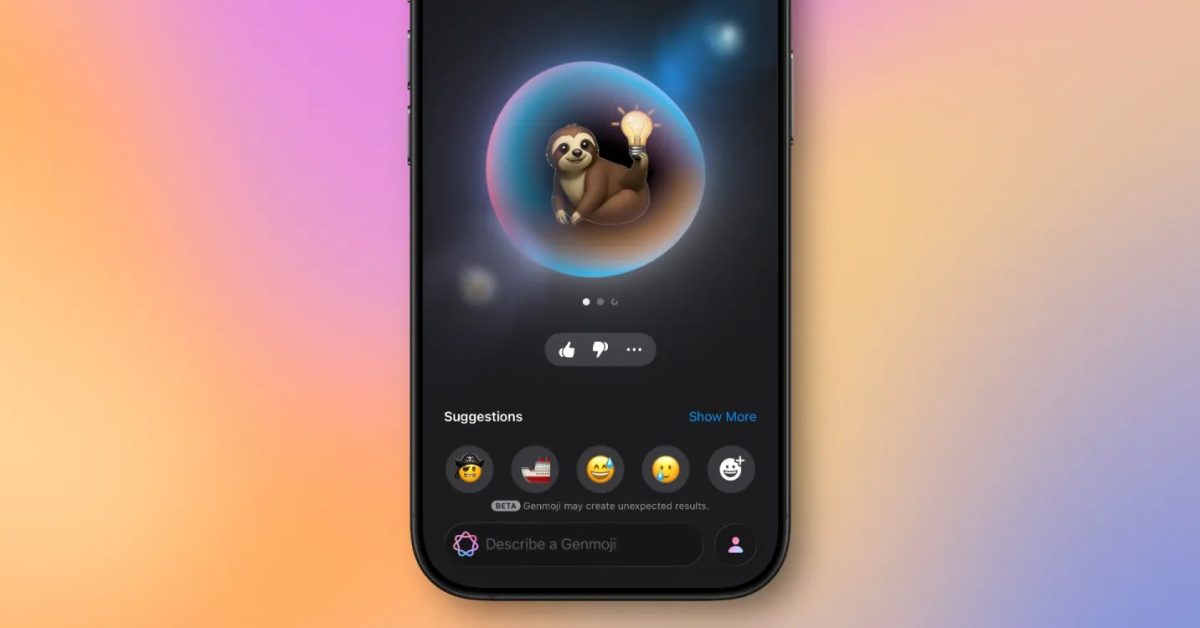
Since its debut in iOS 18.2 as a cornerstone of the Apple Intelligence suite, Genmoji has transformed how users express themselves by allowing the creation of bespoke emojis via text prompts. While the feature introduced a novel way to bridge the gap between static icons and personal expression, it has faced criticism for occasional inconsistencies in generation quality. Now, according to the latest insights from Mark Gurman’s Power On newsletter, Apple is poised to significantly upgrade the Genmoji experience in the upcoming iOS 27 and iPadOS 27 updates.
What to Expect from Suggested Genmoji
The core of this upgrade focuses on discoverability and personalization. In iOS 27, Apple intends to introduce “Suggested Genmoji,” a feature designed to offer proactive emoji recommendations tailored to the individual user. According to early reports on keyboard settings, these suggestions will be intelligently generated based on two primary data sources:
- Personal Photo Library: Leveraging visual data to suggest relevant avatars or situational emojis.
- Keyboard History: Analyzing frequently used phrases and expressions to predict the emotional or communicative context of a conversation.
This move signifies a shift from a purely manual creative tool to a predictive, context-aware utility, aiming to boost daily adoption rates by reducing the friction of manual prompt engineering.
Prioritizing Privacy and User Control
As with all features powered by Apple Intelligence, privacy remains a central theme. While the prospect of an AI system analyzing personal photos and typing habits may raise eyebrows among privacy-conscious users, Apple has opted for a transparent approach. The “Suggested Genmoji” feature will be entirely optional. A new toggle within the iOS 27 keyboard settings will allow users to opt-in or out, ensuring that those who prefer a manual-only approach retain full control over their generative experience.
Technical Implications and Future Outlook
Industry observers are closely monitoring whether this update includes a significant overhaul of the underlying generative models. As of now, there is no indication of a foundational upgrade to the image generation engine itself, suggesting that the improvements in iOS 27 will likely center on the logic layer that feeds the model rather than the model’s artistic capabilities.
By grounding the generation process in actual user context, Apple hopes to mitigate the “randomness” that often led to disjointed results in earlier iterations. If successful, this update could turn Genmoji from a fun novelty into an essential component of the modern iOS communication suite. Whether these on-device models can truly understand the nuance of human interaction remains to be seen, but the trajectory is clear: Apple is doubling down on making AI-generated content feel more personal, relevant, and integrated into the daily flow of iPhone users.
As we approach the official release, the tech community will be watching to see if these predictive suggestions can deliver on the promise of seamless, meaningful expression in our digital conversations.