Is the Folding iPhone Market Ready? New Data Reveals Surprising Consumer Appetite

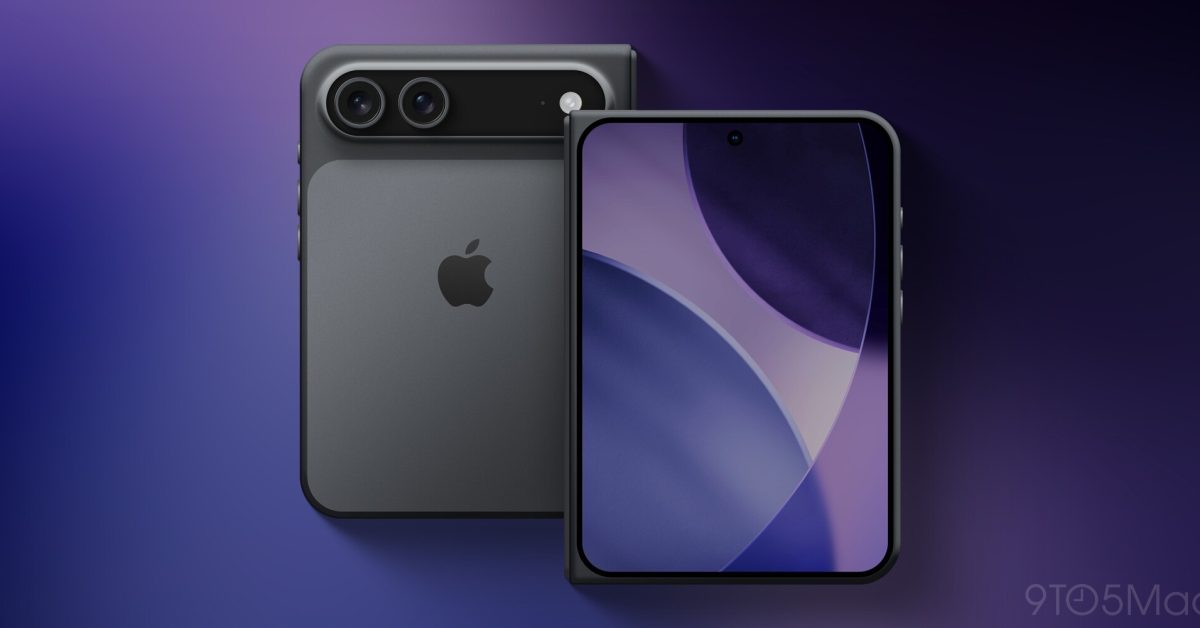
- A recent survey reveals that 14% of iPhone owners are actively interested in foldable smartphone designs.
- While interest in hardware innovation is high, price (55%) and battery life (52%) remain the top two priorities for consumers.
- Despite a potential $2,000+ price tag for a folding iPhone, the data suggests there is a substantial, untapped market for Apple to capture with a premium foldable device.
The Shift Toward Folding Form Factors
For years, the smartphone market has been defined by incremental hardware updates and software-driven enhancements. However, a significant paradigm shift is looming on the horizon: the foldable smartphone. While tech giants like Samsung have pioneered the segment, the industry is holding its breath for an Apple entry—the long-rumored ‘iPhone Fold’ or ‘iPhone Ultra.’ Contrary to the belief that the foldable category remains a niche interest, recent survey data suggests that Apple’s loyal user base is more intrigued by a foldable future than analysts previously anticipated.
The Data: What iPhone Owners Really Want
A recent survey conducted by CNET has sparked a debate regarding consumer interest in next-generation smartphone features. While the mainstream narrative focuses on the 13% of general smartphone users interested in new hardware designs, the data specifically pertaining to iPhone owners tells a more compelling story. Approximately 14% of iPhone users have expressed a genuine interest in foldable technology—a figure that suggests a solid addressable market for a premium, folding Apple device.
While this interest is notable, it must be balanced against the harsh realities of consumer purchasing habits. The survey underscored that the two pillars of smartphone decision-making remain unchanged:
- Affordability: 55% of respondents identified price as the most significant factor in their purchasing decision.
- Longevity: 52% cited battery life as the primary driver for their next upgrade.
The Economic Hurdle: Innovation vs. Cost
The transition from a standard slab smartphone to a foldable device is not merely a design evolution; it is a financial one. If Apple follows the pricing trends of existing foldable devices, we could see an ‘iPhone Fold’ retailing at upwards of $2,000. This steep barrier to entry raises a critical question: will the 14% of interested iPhone owners remain as enthusiastic once the premium price tag is confirmed?
Historically, the Apple ecosystem has proven that users are willing to pay a premium for hardware that delivers unparalleled build quality and software integration. If Apple can solve the durability concerns associated with foldable screens while maintaining the high standard of the iOS experience, a 14% adoption interest could represent a massive revenue opportunity. Rather than viewing this as a lukewarm reaction, the industry should see it as a clear signal of demand for innovation in an otherwise saturated market.
Conclusion: A Cautious Outlook
While the ‘iPhone Fold’ is unlikely to replace the standard iPhone lineup in the immediate future, the appetite for a new form factor is clearly present. Apple has a history of waiting to enter a market until it can perfect the technology rather than being the first to launch. By the time an Apple foldable hits the shelves, the balance between price, utility, and durability may have shifted enough to turn those 14% of interested users into a significant demographic of early adopters.