Apple to Unveil Revamped, AI-Powered Siri App with Privacy-First Chat Features

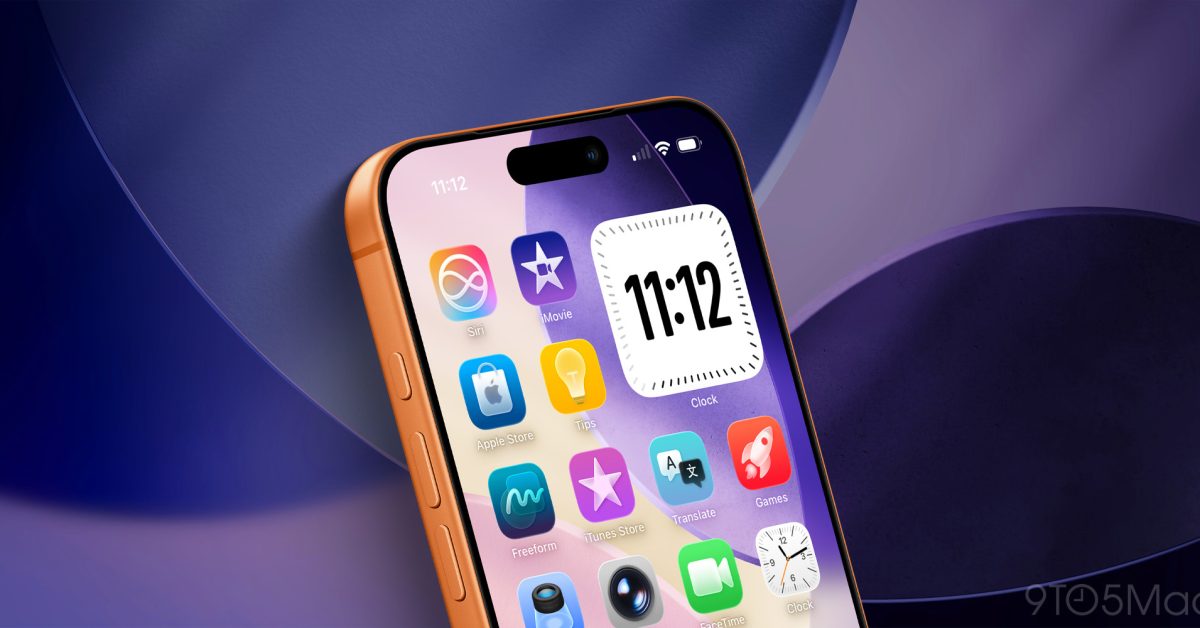
- Apple is set to launch a standalone Siri app in iOS 27, featuring a robust, AI-powered chatbot interface.
- New privacy features will allow users to set auto-deletion schedules for conversation histories, similar to iMessage.
- The app will launch with a 'beta' label, allowing users to opt out of the new AI-driven features while utilizing private cloud infrastructure for data security.
The Next Evolution of Apple Intelligence: A Dedicated Siri App
As we approach WWDC 2026, anticipation is reaching a fever pitch regarding Apple’s long-awaited overhaul of its personal assistant. Industry reports suggest that Apple is set to launch a standalone Siri application within iOS 27, marking a significant shift in how users interact with the company’s AI ecosystem. This new interface aims to unify Apple Intelligence capabilities under one roof, providing a sophisticated chatbot experience that bridges the gap between voice commands and generative text.
Privacy-Centric Chat History and Advanced Controls
One of the most notable features arriving with the new Siri app is the implementation of granular control over conversation history. Echoing the privacy standards set by iMessage, the standalone Siri application will allow users to configure auto-deletion settings for their chat logs. Whether users prefer to wipe history every 30 days, annually, or keep logs indefinitely, the control remains squarely in the hands of the user.
Furthermore, Apple is taking a cautious, privacy-first approach to the underlying technology. By leveraging Google’s Gemini models while executing tasks on Apple’s private cloud compute servers, the company ensures that user data remains siloed. Reports confirm that Google will be prohibited from utilizing Siri conversation data for model training, reinforcing Apple’s commitment to user anonymity.
Beta Branding: A Strategy of Caution
Despite years of development, internal reports indicate that the new Siri experience will launch under a “beta” label. This is a recurring strategy for Apple, as seen with the initial rollout of Apple Intelligence in iOS 18. This branding serves as a safety net, allowing Apple to iterate rapidly while acknowledging that the technology is still being refined.
The app will offer two primary interface modes to suit different workflows:
- Conversation View: An immersive interface similar to standard LLM chatbots, optimized for continuous dialogue.
- List View: A traditional, message-style layout that organizes interactions chronologically for quick reference.
Functionality and User Choice
The standalone app isn’t just about text; it represents a more capable Siri. Users will be able to upload files directly into the conversation thread, initiate new voice-based sessions, and utilize universal gestures to quickly summon the AI. Most importantly, Apple is expected to provide an opt-out mechanism, allowing users who prefer a more traditional experience to disable the new AI features without compromising the rest of the OS.
As developers and enthusiasts wait for the official keynote, the consensus is clear: Apple is moving toward a more transparent, user-controlled AI future. While the “beta” label may imply a work-in-progress, the depth of these features signals a major leap forward for the iOS ecosystem.