Digital Necromancy: NTSB Restricts Public Data Access After AI Recreates Deceased Pilots’ Voices

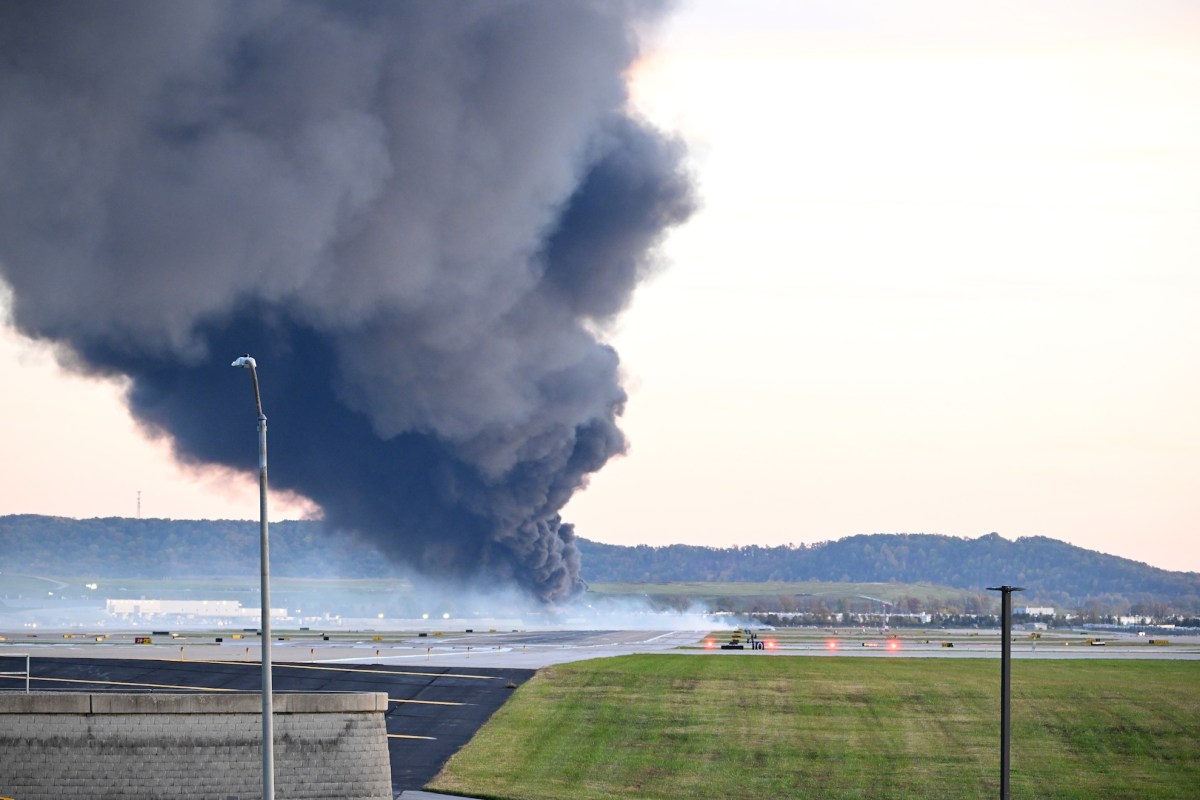
- The NTSB suspended its public docket system after AI was used to synthesize the voices of deceased pilots from UPS Flight 2976.
- Bad actors successfully reconstructed audio by processing spectrograms (visual frequency data) and official flight transcripts through generative AI tools.
- The agency is currently restricting access to 42 investigations while it reassesses how to share forensic data without compromising the privacy of victims.
The Ethical Perils of AI-Generated Audio in Incident Investigations
The intersection of artificial intelligence and sensitive public archives has reached a new, controversial milestone. The National Transportation Safety Board (NTSB) recently took the drastic step of temporarily suspending access to its public investigation docket system following the discovery that AI-generated audio of deceased pilots was being synthesized and circulated online.
The incident stems from the investigation into the 2025 UPS Flight 2976 crash in Louisville, Kentucky. While federal law strictly prohibits the inclusion of actual cockpit voice recordings in the NTSB’s publicly accessible dockets, the investigation file contained a spectrogram—a visual representation of sound frequencies used for technical analysis.
How Technical Data Was Weaponized
Spectrograms are essential diagnostic tools for crash investigators, providing a mathematical visualization of audio signals. However, as noted by science communicator Scott Manley, the sheer volume of data embedded within these high-resolution images allows for the potential reconstruction of original audio files. Bad actors utilized these spectrograms alongside publicly released cockpit transcripts to train AI models, specifically citing tools like Codex, to generate synthetic voice recreations of the deceased crew members.
The NTSB’s Regulatory Response
In response to this digital unauthorized recreation, the NTSB acted swiftly to protect the privacy and dignity of the victims. The agency locked its docket system to prevent further exploitation of forensic data. As of the most recent update, the agency has restored access to the majority of its archives, but 42 high-profile investigations—including the UPS Flight 2976 inquiry—remain restricted pending a thorough security review of the technical files provided to the public.
The Future of Sensitive Forensic Archives
This episode serves as a sobering case study for regulatory bodies worldwide. It highlights a widening gap between traditional data transparency policies and the capabilities of modern generative AI. As technology allows for the inversion of visual data back into audio or other formats, agencies must grapple with a new reality: the threat isn’t just in the sensitive documents themselves, but in the innocuous-looking metadata and diagnostic imagery that has traditionally been considered safe for public consumption.
The NTSB’s challenge now lies in balancing its mission of public transparency with the ethical necessity of preventing the synthetic commodification of tragic historical events.