visionOS 27 Unveiled: Bringing Next-Gen AI Siri to Apple Vision Pro

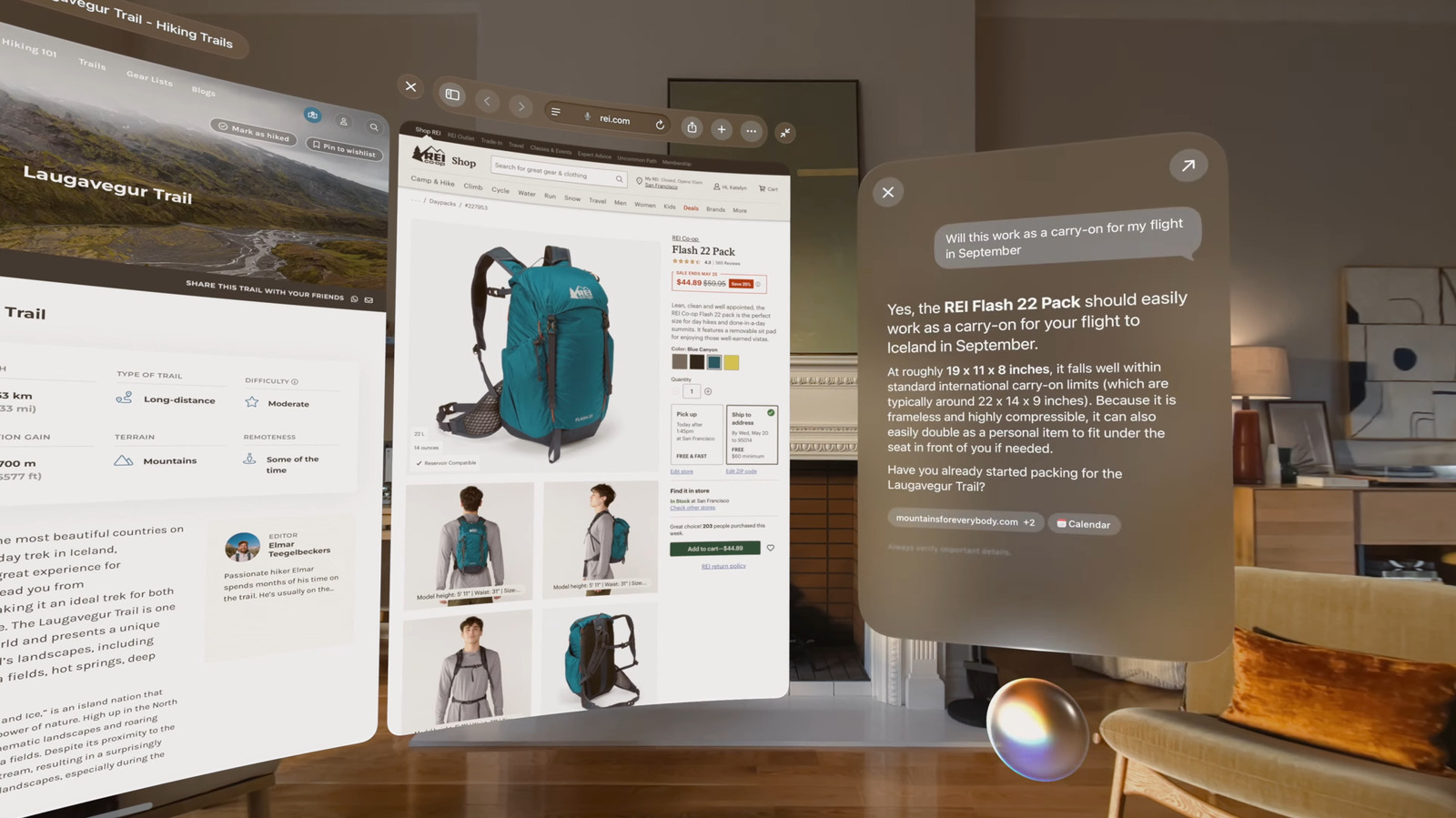
- visionOS 27 introduces a deeply integrated, AI-driven Siri capable of understanding user gaze and spatial context.
- The update confirms Apple's continued dedication to its spatial computing software despite market rumors.
- New features are designed to serve as the technological foundation for future, smaller wearable devices like the rumored Apple glasses.
The Evolution of Spatial Computing: visionOS 27 Arrives
Apple has officially pulled back the curtain on visionOS 27 during WWDC 2026, marking a significant milestone for the company’s spatial computing ambitions. Despite market speculation regarding the long-term roadmap for the Vision Pro headset, the latest software iteration confirms that Apple remains deeply committed to refining its XR (Extended Reality) ecosystem.
The New Siri: Context-Aware Intelligence
The headline feature of the update is the integration of the redesigned, AI-powered Siri. Unlike previous versions, the new Siri is engineered for the unique spatial environment of the Vision Pro. By leveraging advanced computer vision and on-device machine learning, Siri now possesses the capability to understand what the user is looking at in real-time.
This contextual awareness allows for more intuitive interactions. Instead of relying on generic voice commands, users can simply focus their gaze on a specific object, app, or virtual interface element and ask questions. The system processes visual data and voice input simultaneously, enabling a more seamless, hands-free workflow.
Why visionOS 27 Matters for the Future
Industry analysts believe that visionOS 27 serves as more than just a standard feature update; it acts as a foundational architecture for Apple’s broader hardware roadmap. With ongoing rumors about a more affordable pair of Apple smart glasses, the software optimizations introduced here are likely being stress-tested on the $3,500 Vision Pro hardware before migrating to future, smaller-form-factor devices.
- Spatial Understanding: Deep integration between gaze-tracking and AI query processing.
- Enhanced Productivity: Streamlined multitasking capabilities powered by improved machine learning models.
- Long-Term Ecosystem Strategy: Aligning visionOS with the core AI features seen across iOS 20 and macOS 17.
As Apple pushes further into the age of artificial intelligence, the synergy between visionOS 27 and its new Siri marks a turning point for how we interact with digital objects. Whether this will be enough to spur broader consumer adoption of the Vision Pro remains to be seen, but the technical leap is undoubtedly significant.