Apple Elevates Audio Experience with Custom EQ Coming to iOS 27

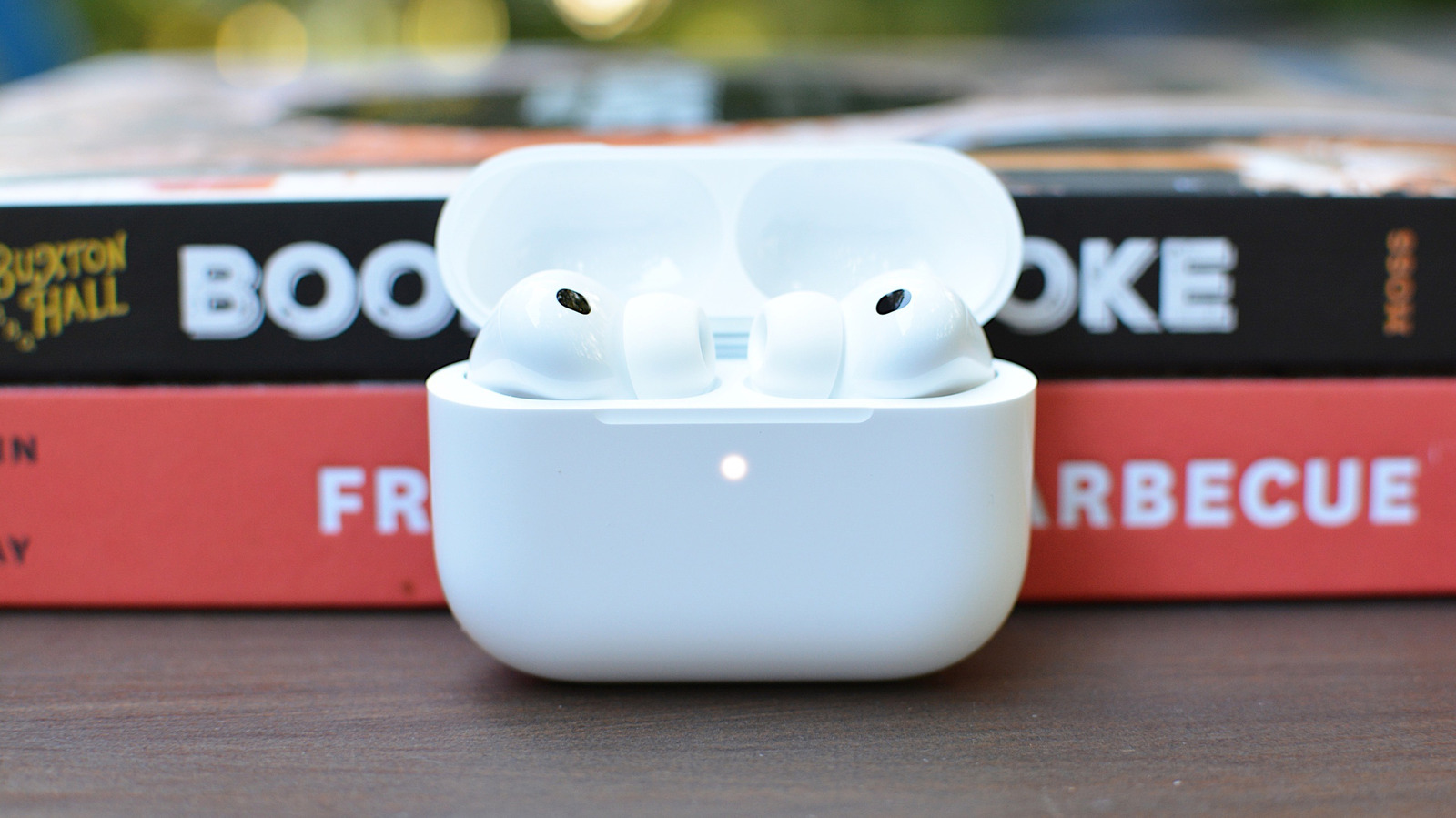
- iOS 27 will introduce manual EQ sliders for AirPods, allowing users to adjust highs, mids, and lows.
- The new feature complements the existing Adaptive EQ, providing a balance between automated optimization and personal preference.
- Device compatibility and iCloud sync capabilities for custom profiles are expected to be clarified closer to the fall launch.
Revolutionizing Sound: The New Custom EQ for AirPods
Apple has long been a leader in spatial audio and automated sound tuning, but the company is finally ceding more control to the end-user. As announced during the latest Worldwide Developers Conference (WWDC), the upcoming release of iOS 27 will introduce a highly anticipated Custom EQ feature for AirPods, marking a significant shift in how users interact with their audio hardware.
From Adaptive to Manual Control
While Apple’s current Adaptive EQ technology is highly effective at utilizing internal microphones to adjust frequencies in real-time, it has historically operated as a “black box”—giving users little room for personal preference. The introduction of manual equalization will change that paradigm.
According to the official iOS 27 documentation, the new tool will allow users to navigate to their AirPods settings and manually calibrate the sound signature. Key features include:
- Frequency Sliders: Independent control over high, mid, and low-frequency ranges.
- Personalized Sound Profiles: Fine-tuning the output to match specific genres or listening habits.
- Seamless Integration: Direct access within the system settings, ensuring minimal latency in adjustment application.
What We Still Need to Know
Despite the excitement surrounding this announcement, Apple has kept the technical details under wraps. Tech enthusiasts are currently awaiting clarity on several critical fronts:
Device Compatibility: It remains unclear which AirPods models—ranging from the base-model AirPods to the high-end AirPods Max—will receive support for this feature. Hardware limitations regarding the H-series chips may determine the rollout schedule.
Cross-Device Synchronization: A major question for power users is whether these custom profiles will be tied to a specific device or synced via iCloud across an entire Apple ecosystem. If a user sets a custom EQ on their iPhone, it remains to be seen if that profile will persist when connecting to a MacBook or iPad.
The Future of Personal Audio
As Apple prepares for the fall launch of iOS 27 alongside the next generation of iPhone hardware, the Custom EQ update signals a broader commitment to professional-grade audio accessibility. By providing granular control, Apple is moving closer to satisfying audiophiles who previously relied on third-party apps or hardware DACs to achieve their preferred sound profile.
We expect to receive more comprehensive beta testing details in the coming weeks. Stay tuned to teknolojia.org for further updates as we approach the official release this autumn.