Turning Weapons into Watts: The U.S. Plan to Power Reactors with Cold War Plutonium

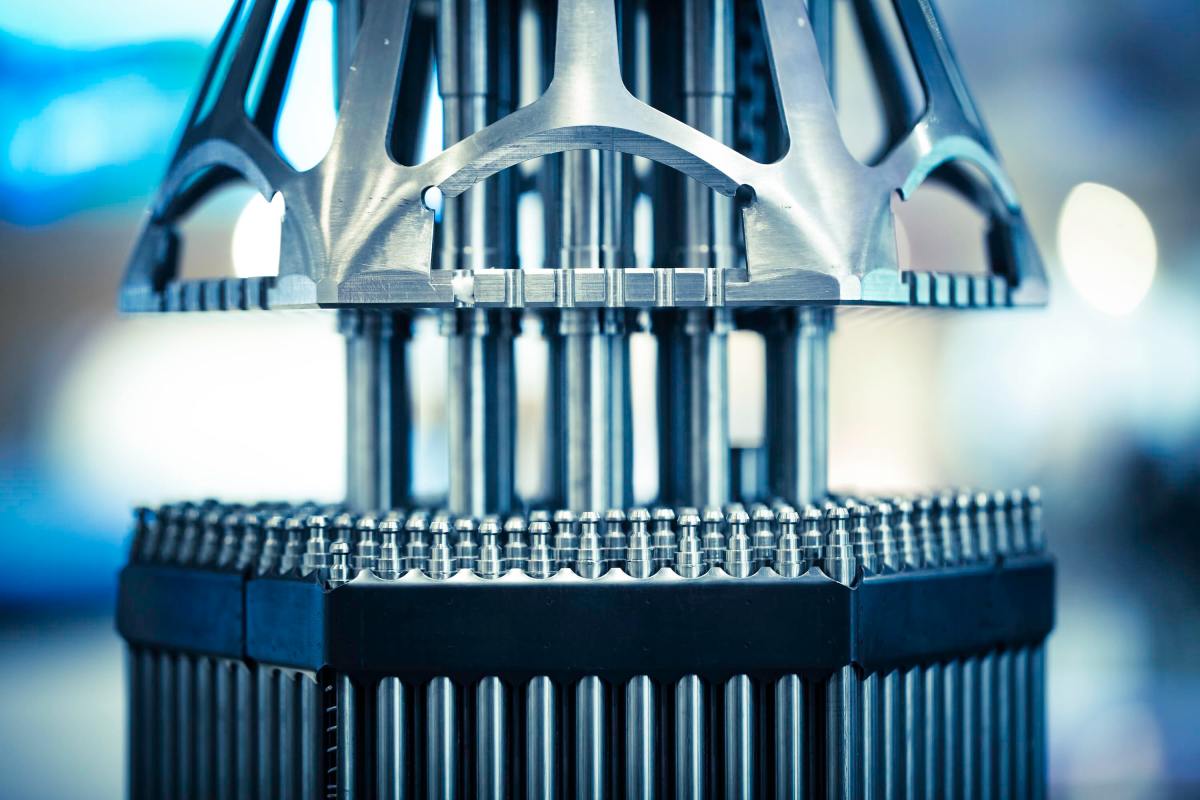
- The U.S. Department of Energy is negotiating with five nuclear startups to utilize 34 tons of Cold War-era plutonium as reactor fuel.
- Participating companies like Oklo, Flibe Energy, and Exodys are developing specialized reactor designs, including MOX fuel technology, to process the radioactive material.
- The initiative faces significant scrutiny regarding security, proliferation risks, and the technical difficulties of managing weapons-grade isotopes.
The Plutonium Paradigm Shift
For decades, the United States has been grappling with a radioactive legacy: nearly 100 tons of plutonium stockpiled from the Cold War era. Originally manufactured for atomic weaponry, this material has long been sequestered in high-security facilities. However, the U.S. Department of Energy (DOE) is now pivoting toward a radical solution: repurposing this stockpile as fuel for a new generation of advanced nuclear reactors.
The DOE’s Selection Process
The Department of Energy has officially entered into advanced negotiations with five nuclear startups to explore the conversion of 34 tons of surplus plutonium into viable reactor fuel. The selected companies represent the cutting edge of fission technology:
- Oklo: Developing reactors capable of utilizing both traditional uranium and recycled plutonium.
- Flibe Energy: Focused on liquid-fuel reactors that utilize plutonium and fission byproducts.
- Exodys Energy: Specializing in Mixed Oxide (MOX) fuel configurations.
- Standard Nuclear & Shine Technologies: Innovators currently integrating plutonium-handling protocols into their modular designs.
Technical Challenges and Security Concerns
Using plutonium as fuel is a complex endeavor. Unlike standard low-enriched uranium, weapons-grade plutonium requires specialized handling and chemical processing. Companies like Oklo and Exodys are looking toward MOX fuel—a blend of uranium and plutonium oxides—which has seen limited implementation internationally but faced significant fiscal and logistical hurdles in the U.S. previously.
However, the transition is not without critics. Security experts, such as those from the Nuclear Threat Initiative (NTI), argue that the proliferation risks associated with transporting and processing weapons-grade material remain a primary concern. The consensus among some policy analysts is that the material represents a “liability” that should be permanently disposed of, rather than introduced back into the civilian energy supply chain.
What Lies Ahead
The selected startups are now entering a critical phase of negotiations with the federal government. These discussions will center on high-stakes logistics: how to safely transport the material, secure the fabrication facilities, and maintain rigorous oversight to prevent proliferation. As the government attempts to balance energy innovation with national security, the success of these pilot programs could determine whether the nuclear debris of the past becomes the backbone of the carbon-free energy grid of the future.