DuckDuckGo Sees 30% Surge in Installs as Users Reject Google’s AI-Mandated Search

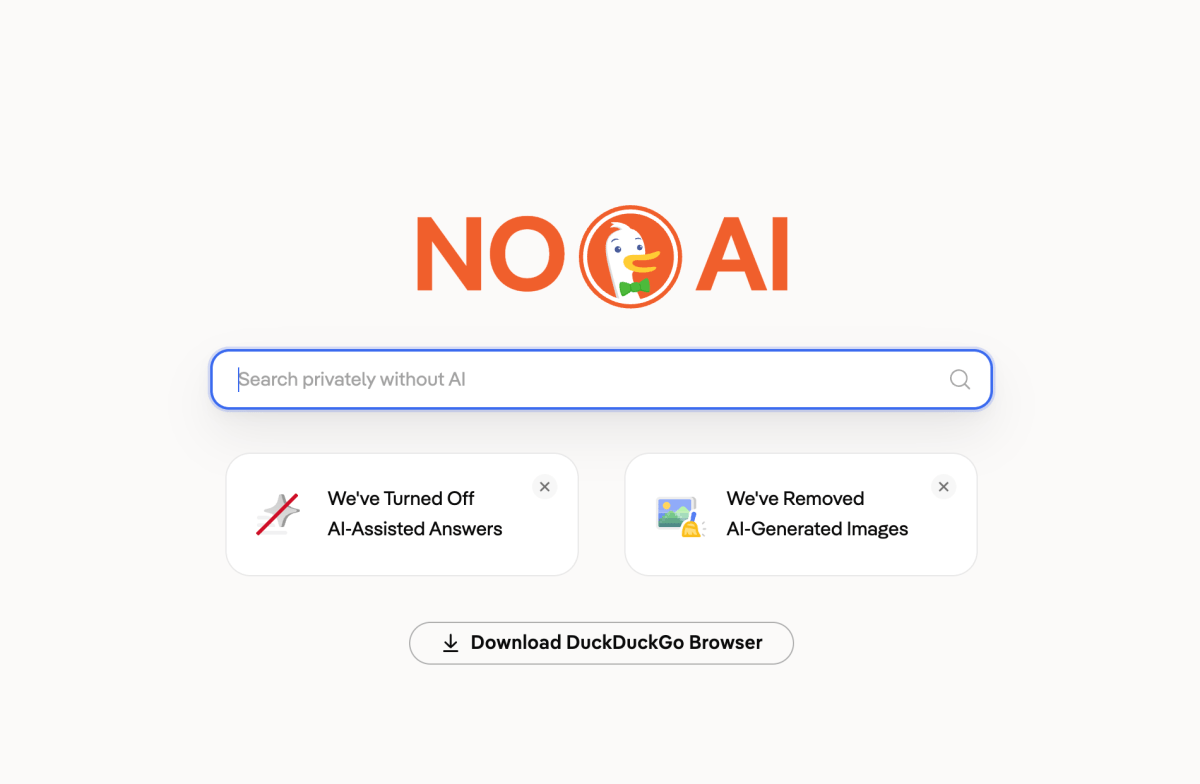
- DuckDuckGo experienced a 30% surge in U.S. app installs following widespread backlash against Google's mandatory AI-integrated search overhaul.
- Data indicates a strong consumer preference for "AI-free" search options, with traffic to DuckDuckGo’s stripped-back search page seeing significant growth.
- DuckDuckGo maintains a privacy-centric AI strategy, allowing users to opt into AI features without sacrificing data security or training their personal information.
The Shift Away from AI-Centric Search
The landscape of internet search is undergoing a significant transformation, and for many users, the transition is proving unwelcome. Following Google’s recent overhaul of its search engine—which prioritizes AI agents over traditional blue links—a growing segment of the user base is actively seeking alternatives. The primary grievance? A lack of choice. Users report feeling “force-fed” AI-generated overviews that often complicate simple queries and compromise the clarity of search results.
This dissatisfaction has translated into tangible growth for privacy-centric competitors. DuckDuckGo, long-standing as an alternative to Google’s dominance, has reported a sharp increase in adoption, signaling a potential shift in how consumers value autonomy in their digital experiences.
Unprecedented Growth in Market Share
The numbers from the last week of May 2026 are telling. DuckDuckGo reported a sustained surge in U.S. app installs, with growth peaking at a 30.5% increase on May 25 compared to the previous week. The impact is even more pronounced on iOS, where install rates spiked by nearly 70% during the same timeframe. Furthermore, the company’s dedicated “AI-free” search portal, noai.duckduckgo.com, has seen a consistent double-digit increase in traffic, highlighting a clear demand for a stripped-back, AI-optional browsing environment.
The Philosophy of Choice
DuckDuckGo CEO Gabriel Weinberg argues that Google’s current strategy ignores the fundamental needs of users. In a recent statement, Weinberg noted: “Google is force-feeding AI with no way to opt out. As a result, their results are getting worse, not better. We want to be the place that puts users in charge.”
Interestingly, DuckDuckGo is not anti-AI in practice; rather, they are pro-choice. The company offers its own AI-powered features, such as Duck.ai and Search Assist, but maintains a strict privacy-first architecture. Key differentiators include:
- Privacy by Default: IP addresses are stripped before requests reach AI model providers.
- Data Retention Policy: Conversations are purged within 30 days and are never used to train future AI models.
- Granular Control: Users can toggle AI features on or off, including an “AI Image Filter” to exclude synthetic imagery from search results.
The Future of Search
While Google continues to bet heavily on its AI-agent ecosystem to drive engagement, the rapid growth of DuckDuckGo suggests that the “open web” may be more resilient than tech giants assume. As users become increasingly weary of algorithmic overreach and data harvesting, the ability to choose between an AI-augmented experience and a traditional, clean search index may become the next great competitive battleground in the tech sector.