Transparency Shift: Tesla Unveils Details on Robotaxi Teleoperator Crashes

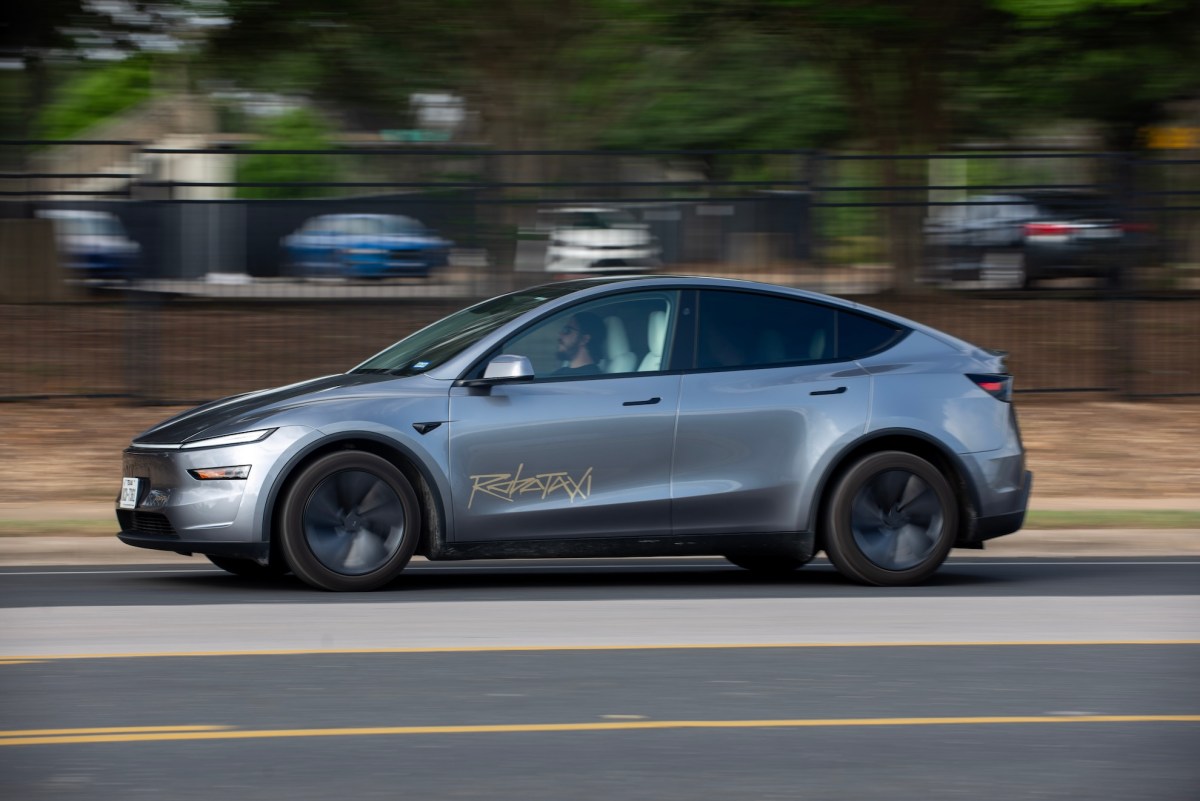
- Tesla has moved to unredact previously confidential crash data submitted to the NHTSA, revealing 17 total incidents within its nascent Robotaxi network.
- Two specific crashes were confirmed to have occurred while the vehicles were being actively piloted by remote teleoperators, both resulting in minor property damage.
- The data highlights the operational challenges Tesla faces in scaling its autonomous ride-hailing service, justifying the company's current, cautious approach to expansion.
New NHTSA Data Sheds Light on Tesla’s Remote Assistance Challenges
For months, the inner workings of Tesla’s emerging Robotaxi network have been shielded by heavy redaction. However, a significant pivot in the company’s reporting strategy to the National Highway Traffic Safety Administration (NHTSA) has provided fresh insights into the risks associated with remote vehicle operation. Newly unredacted reports confirm that Tesla Robotaxis have been involved in at least two collisions while under the control of remote teleoperators.
The Reality of Remote Teleoperation
Tesla’s remote assistance feature is designed to allow off-site operators to take control of a vehicle in “compromising positions,” such as navigating complex street maneuvers where the automated driving system (ADS) may struggle. According to Tesla, this capability is intended to prevent the need for manual recovery by first responders or field staff. The company maintains that these teleoperators are restricted to speeds under 10 miles per hour during remote sessions.
Incident Breakdown: Austin, Texas
Both documented collisions involving teleoperators took place in Austin, Texas, while the vehicles were operating without passengers. The narrative descriptions provided to the NHTSA highlight the technical and human-factors challenges in remote control:
- July 2025: While attempting to navigate away from a stopped position, a teleoperator initiated a turn that resulted in the vehicle driving over a curb and striking a metal fence.
- January 2026: A teleoperator attempted to navigate the vehicle through a construction zone. The vehicle struck a temporary barricade at approximately 9 MPH, resulting in damage to the front-left fender and tire.
A Broader Pattern of Challenges
The unredacted data set includes 17 total incidents recorded since the network’s inception last year. While many of these mirror the experiences of other autonomous vehicle (AV) providers—where the AV is often the victim of rear-end collisions—others point to ongoing systemic issues. Notably, the report includes instances where vehicles clipped mirrors on other cars, struck stationary objects like metal chains in parking lots, and, in one instance, failed to avoid a dog crossing the street.
The Path Forward for Tesla’s AV Ambitions
While Tesla’s Robotaxi fleet currently operates at a smaller scale compared to industry rivals like Waymo and Zoox, these disclosures offer a potential explanation for the company’s cautious expansion strategy. Elon Musk has frequently cited the need for absolute safety as the primary bottleneck for scaling the ride-hailing service. As the industry moves toward higher levels of autonomy, these incidents serve as a critical reminder that “remote human intervention” is not a fail-safe solution, but rather a complex transitionary technology that carries its own set of operational risks.