The Trust Deficit: Why the Musk vs. OpenAI Trial Redefines the Future of AI Governance

- The Musk-OpenAI trial has evolved from a contractual dispute into a public examination of the trustworthiness of leadership in the AI sector.
- Key concerns include the transparency of AI labs, the influence of private equity, and whether 'mission-driven' intent is sufficient to prevent misuse of powerful technology.
- The trial highlights a broader systemic issue: the lack of public insight into how private AI organizations govern their development, leaving policymakers and consumers in the dark.
The Anatomy of a High-Stakes Legal Battle
The legal standoff between Elon Musk and OpenAI has reached its climactic closing arguments, forcing a jury to weigh more than just contract law. At its heart, the trial has become a public referendum on the integrity of the artificial intelligence industry. As the proceedings conclude, the central question remains: in an era where AI development is shrouded in corporate secrecy, who can we actually trust?
The Altman Question: Conflict, Transparency, and Credibility
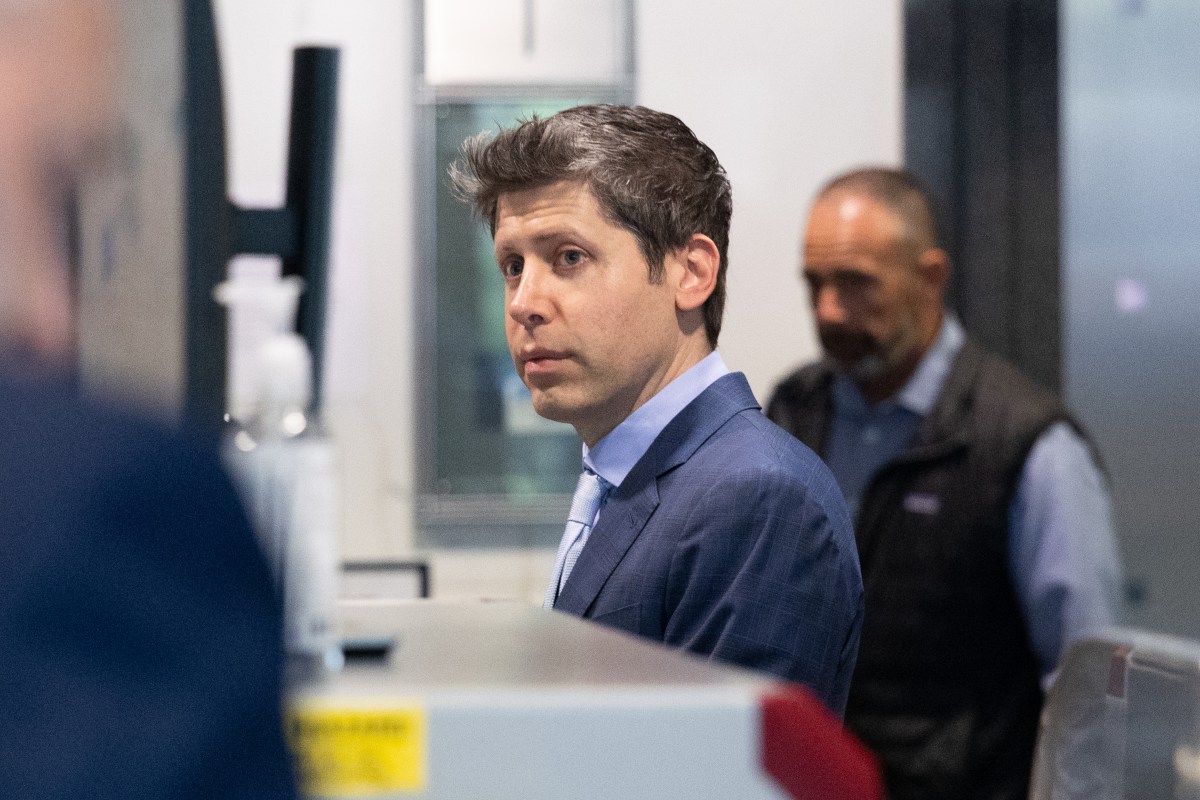
Much of the trial’s discourse has focused on the credibility of OpenAI CEO Sam Altman. Musk’s legal team, led by Steve Molo, aggressively cross-examined Altman regarding his past testimony before Congress—specifically focusing on his assertions regarding his equity stakes in the company. For many observers, this highlights a recurring pattern of behavior that has fueled internal and external friction at OpenAI, including the widely publicized leadership crisis often referred to as ‘The Blip.’
Altman has previously acknowledged a tendency toward being conflict-averse, occasionally telling stakeholders what they want to hear rather than delivering blunt truths. While some view this as a pragmatic leadership style, critics, including Musk, characterize it as a fundamental lack of transparency that threatens the mission-driven origins of OpenAI.
Beyond the CEO: A Systemic Crisis in AI Labs
While the focus on Sam Altman provides a dramatic centerpiece, industry experts argue that the ‘trust deficit’ extends far beyond one individual. As the *Equity* podcast team noted, the issue is systemic:
- The Veil of Privacy: Most elite AI laboratories operate as privately held entities, keeping their safety protocols, internal decision-making processes, and governance structures shielded from public oversight.
- The Intent vs. Outcome Gap: Even if AI founders begin with noble, non-profit intentions, the immense pressure to monetize and scale often leads to corporate shifts that can result in unintended—and sometimes harmful—consequences.
- Policy and Accountability: Policymakers and journalists are currently struggling to bridge the gap between technical complexity and public accountability. Without transparent oversight, trust becomes a blind gamble for consumers.
What Lies Ahead for the AI Industry?
The conclusion of this trial may provide a verdict on specific legal grievances, but it is unlikely to settle the broader debate. Whether Elon Musk’s motives were rooted in genuine concern for AI safety or a personal vendetta against a former collaborator, the reputational damage has been mutual. As the industry matures, the pressure for these labs to move toward public offerings or more rigorous independent auditing will only grow.
Ultimately, the trial underscores a sobering reality: we are entrusting the future of human intelligence to organizations that are currently accountable only to their boards and private investors. Until a framework of transparency is established, ‘trust’ will remain the most volatile commodity in Silicon Valley.