The Silicon-Carbon Revolution: Why Your Next iPhone Battery Won’t Be Upgraded Just Yet

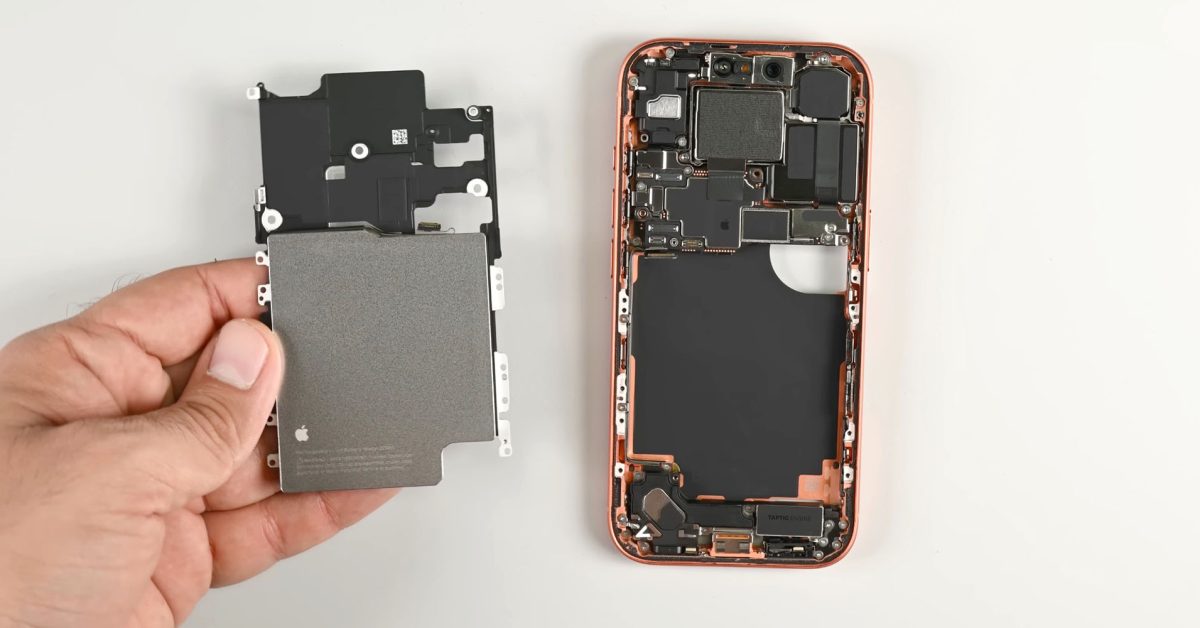
- Silicon-carbon batteries offer higher energy density and faster charging compared to traditional graphite-based lithium-ion cells.
- Chinese manufacturers like Honor and Oppo have already begun adopting this technology, though industry giants like Apple remain cautious.
- Major brands are delaying adoption to ensure that the new chemistry can meet strict reliability and longevity standards across millions of mass-produced units.
The Evolution of Smartphone Energy Storage
For years, the smartphone industry has been locked in a relentless tug-of-war. While processor efficiency and display technology continue to push the boundaries of what our devices can do, the fundamental battery technology powering them has remained largely stagnant. However, a shift is currently underway, with silicon-carbon battery technology emerging as the latest frontrunner to displace traditional lithium-ion configurations.
Understanding Silicon-Carbon Chemistry
The breakthrough lies in the battery’s anode. Standard lithium-ion batteries have long relied on graphite to store lithium ions. Silicon-carbon batteries, by contrast, incorporate a composite material that allows for a significantly higher energy density. Because silicon possesses a superior capacity for holding lithium ions compared to graphite, manufacturers can pack more power into a smaller physical footprint.
Recent industry reports indicate that major Chinese smartphone manufacturers, including Honor, Huawei, and Oppo, have already begun integrating this technology into their flagship devices. Lab tests consistently reveal that these silicon-carbon cells provide both superior longevity and faster charging capabilities, marking a tangible “step change” in mobile performance.
Why Apple and Samsung are Taking a Measured Approach
Despite the clear benefits, industry giants like Apple, Samsung, and Google have yet to adopt this chemistry for their premium lineups. The reason is rooted in a fundamental priority for these brands: proven reliability at scale.
- Scalability Challenges: Implementing a new chemistry across tens of millions of units requires extensive validation to prevent unexpected failures or safety hazards.
- Long-term Longevity: Premium smartphones are designed to last for several years. Manufacturers must ensure the silicon-carbon anode can maintain its integrity over hundreds of charge cycles without significant degradation.
- Rigorous Testing: Experts from the University of Illinois at Urbana-Champaign suggest that while the technology is promising, the rigorous vetting process required for a global product launch can span one to three years.
The Road Ahead for iPhone Users
For those hoping to see silicon-carbon batteries in the upcoming iPhone iteration, the wait is likely to continue. Apple maintains an incredibly conservative stance regarding battery chemistry to ensure that its hardware remains reliable for the duration of the user’s ownership. While the rest of the market experiments with the transition, Apple is content to observe the data before committing its massive supply chain to a new standard.
The transition is inevitable, but for now, iPhone owners will continue to rely on the time-tested, highly refined lithium-ion batteries that have become the industry gold standard. Expect the shift to occur only once the industry has definitively proven that silicon-carbon batteries can match the safety and lifecycle expectations set by current flagship devices.