The iPhone Ultra Dilemma: Is Apple’s Foldable Vision Worth the Trade-Offs?

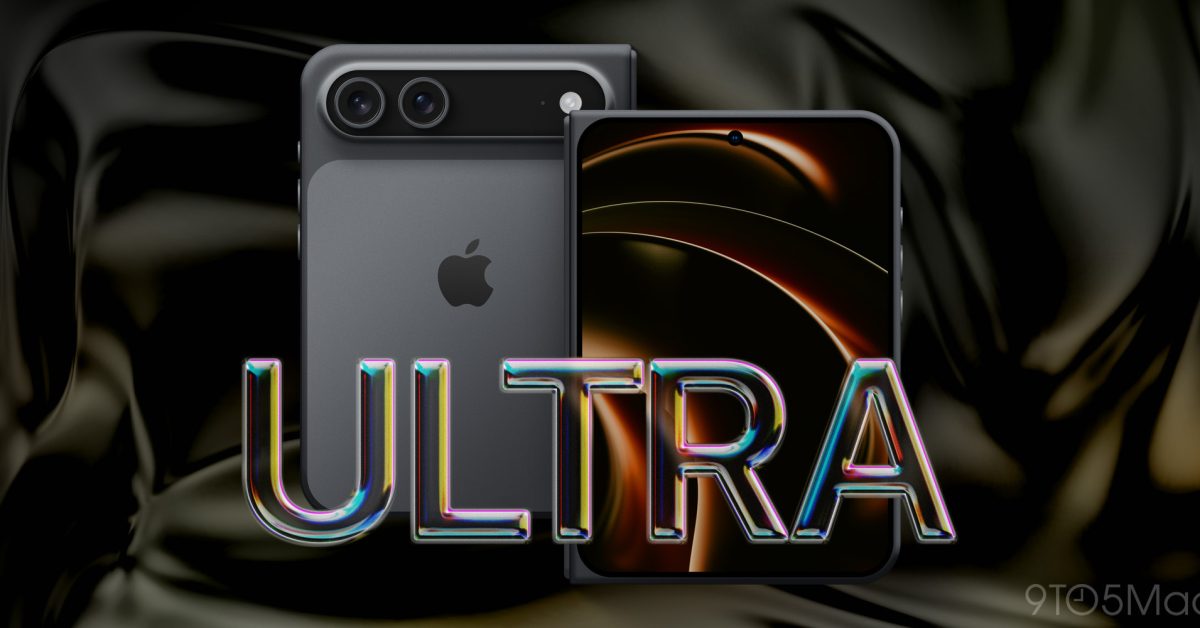
- The iPhone Ultra introduces a radical foldable form factor that departs significantly from Apple's traditional design standards.
- Potential hardware trade-offs include the omission of advanced Telephoto lenses, the absence of Face ID, and concerns regarding thermal performance.
- The ultimate success of the device hinges on software optimization—specifically whether it will utilize a tablet-grade interface or a limited mobile experience.
Is the iPhone Ultra Ready to Disrupt Apple’s Flagship Legacy?
As we approach the highly anticipated launch of the iPhone Ultra, the tech community is buzzing with speculation. While rumors have coalesced around the core specifications of Apple’s inaugural foldable device, a lingering question remains: will this radical shift in form factor justify the significant compromises inherent in the design? As users weigh their upgrade options for the coming cycle, the iPhone Ultra stands as a polarizing proposition.
A New Form Factor, New Uncertainties
The iPhone Ultra represents the most significant departure from the traditional iPhone design language since the product line’s inception. Leaked schematics point toward a device with a unique, wider outer display and an expansive inner canvas that blurs the lines between a smartphone and an iPad. While this innovation promises a transformative user experience, it also introduces a series of technical trade-offs that have potential buyers hesitant.
Design Compromises and Hardware Risks
Unlike the refined iterative updates of the iPhone 18 Pro series, the Ultra model demands that users sacrifice some of the “tried-and-true” features that define the premium smartphone experience. Reports indicate several notable departures from current flagship standards:
- Camera Constraints: To accommodate the complex folding architecture, the device may lack the sophisticated Telephoto lens systems found in Pro models.
- Biometric Shift: Current rumors suggest the absence of traditional Face ID, potentially forcing a reliance on alternative authentication methods.
- Thermal Management: Despite a premium titanium construction, the absence of a dedicated vapor chamber could leave the device susceptible to thermal throttling during intensive tasks—an issue Apple has largely mitigated in its standard Pro lineup.
The Software Question: iOS or iPadOS?
Beyond the hardware, the most critical unknown factor is the software implementation. A foldable device is only as good as the operating system that powers it. The burning question remains: will the iPhone Ultra run a bespoke version of iOS, or will Apple bridge the gap with an iPadOS-like multitasking environment? If the device fails to offer a truly optimized “pro” workflow when unfolded, the hardware innovation may feel more like a novelty than a productivity revolution.
Conclusion: A Gamble on Innovation
For the average consumer, the iPhone 18 Pro remains the safe, high-performance choice that continues the legacy of what we know and love. The iPhone Ultra, however, is an experiment in new territory. While early adopters may be willing to overlook hardware compromises for the allure of a foldable screen, those tethered to the reliability of the traditional iPhone experience will likely wait to see if the real-world utility can outweigh the technical sacrifices. As the launch date nears, the industry remains divided: is the Ultra a visionary leap forward, or a case of fixing what was never broken?