The iPhone Ultra Dilemma: Is Apple’s Foldable Vision Worth the Compromise?

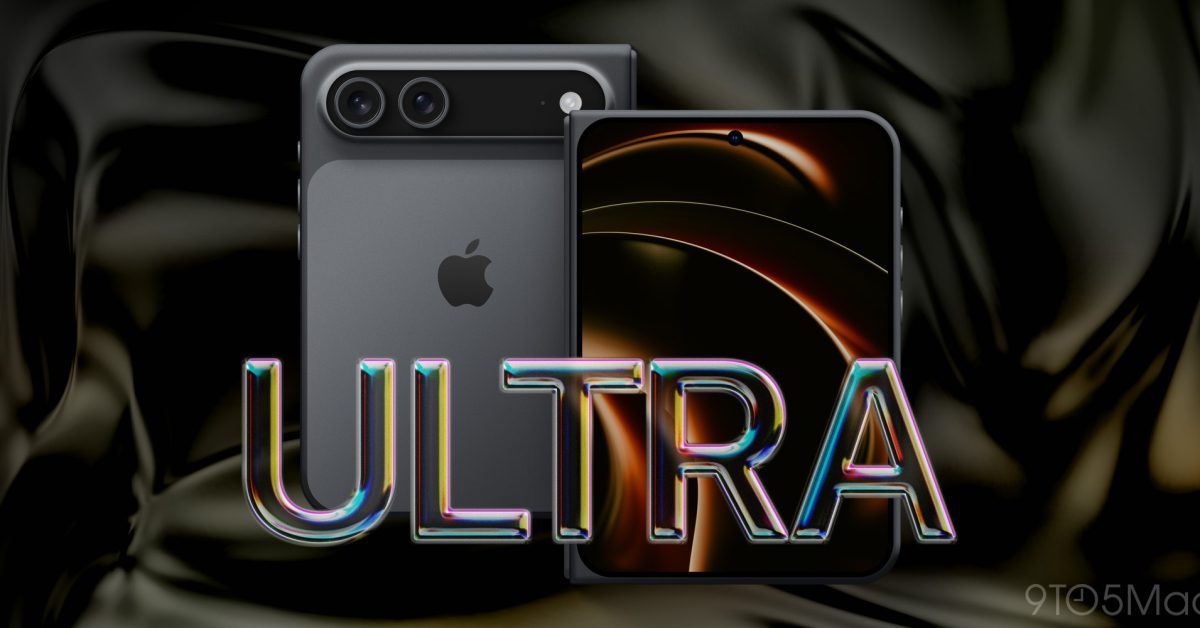
- The iPhone Ultra marks Apple's first major shift in smartphone form factor, introducing a radical folding design that deviates from the standard iPhone experience.
- Potential hardware sacrifices, including the removal of the Telephoto lens, lack of Face ID, and concerns over thermal cooling, create a significant trade-off compared to the Pro lineup.
- The ultimate success of the device hinges on whether Apple adapts its software to provide a true tablet-like experience or merely scales up standard iOS.
Is the iPhone Ultra a Revolutionary Leap or a Risky Deviation?
As we approach the anticipated launch of the Apple iPhone Ultra, the tech community is abuzz with speculation. While rumors have solidified regarding the device’s specs and design language, a lingering question remains for power users: does the transition to a foldable form factor justify the significant hardware trade-offs?
Redefining the iPhone Form Factor
The iPhone Ultra represents a historic shift for Apple, marking the company’s first foray into the foldable smartphone market. Leaks suggest a device with a dramatically altered aspect ratio—a shorter, wider outer display and a expansive, iPad-like interior screen. While this innovation promises a new way to interact with the iOS ecosystem, it forces us to consider if this ‘unbroken’ experience is actually being disrupted at the expense of core functionality.
The Performance and Feature Trade-offs
Unlike the iterative improvements seen in the Pro series, the iPhone Ultra appears to sacrifice certain industry-standard features in favor of its unique silhouette:
- Camera Limitations: Reports indicate the absence of a dedicated Telephoto lens, a staple for mobile photography enthusiasts.
- Security Concerns: The exclusion of Face ID raises questions about biometric authentication security and convenience.
- Thermal Management: Without a vapor chamber cooling system and utilizing a titanium chassis, the Ultra may struggle with heat dissipation compared to the high-performance cooling found in the traditional Pro lineup.
Software: The Missing Piece of the Puzzle
Perhaps the most critical factor for potential adopters is the software implementation. Will the iPhone Ultra leverage a specialized version of iOS that mirrors the productivity capabilities of iPadOS, or will it be a standard mobile interface stretched across a larger panel? The software ecosystem will likely be the final arbiter for those debating between the reliability of the iPhone 18 Pro and the experimental allure of the Ultra.
Verdict: Sticking to the Pro or Embracing the Future?
The appeal of the traditional iPhone lies in its refined, predictable experience—a hallmark of Apple’s design philosophy. Choosing the iPhone Ultra means opting for a device that is, by definition, an experiment. While the prospect of a foldable Apple device is undeniably exciting, the trade-offs currently on the table suggest that this model may not be for the average user. Until Apple officially demonstrates how these hardware limitations are offset by software utility, the iPhone Ultra remains a high-stakes gamble for early adopters.