macOS 26.5: Critical Stability Fixes for Enterprise IT Environments

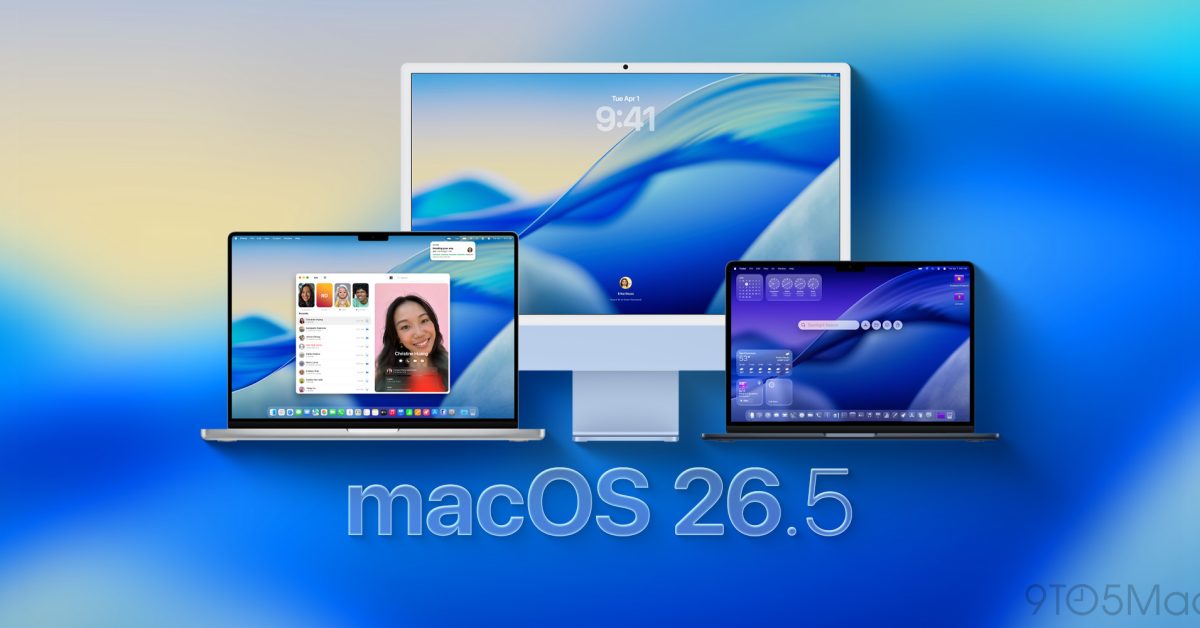
- macOS 26.5 addresses critical system stability issues, including the 'black screen' after updates and unexpected restarts on M5-series hardware.
- Network-heavy environments see significant improvements in SMB mounting and domain controller discovery for non-Active Directory bound machines.
- The release resolves complex enterprise bugs involving smart card authentication, certificate renewal, and security policy enforcement for Safari autofill features.
Strengthening Enterprise Stability: A Deep Dive into macOS 26.5
Apple has officially released the enterprise-focused documentation for macOS 26.5, providing much-needed clarity for IT administrators managing fleets of Mac devices. As organizations increasingly rely on Apple hardware, the stability of the macOS environment—particularly regarding device management and connectivity—has become a top priority. The 26.5 update addresses several persistent bugs that have hampered enterprise productivity, ranging from unexpected hardware reboots to authentication failures.
Solving Hardware-Specific Bottlenecks
One of the most significant improvements in this update targets the M5, M5 Pro, and M5 Max silicon lineups. Users on these machines previously faced unexpected restarts when utilizing content filter extensions, a common security tool in corporate environments. By resolving this conflict, Apple has ensured that organizations can maintain rigorous web-filtering policies without compromising the system stability of their most powerful workstations.
Additionally, the update squashes the infamous ‘black screen’ bug that occurred following software updates. This issue, which often forced IT support to intervene manually, now appears to be fully mitigated, ensuring smoother deployment cycles for managed Mac fleets.
Network and Connectivity Enhancements
For IT departments relying on SMB (Server Message Block) shares, macOS 26.5 brings essential reliability improvements. The update addresses a bug that caused intermittent system restarts during SMB mounting operations. Furthermore, the update introduces improved logic for domain controller discovery: when a Mac is not bound to Active Directory, the SMB client can now intelligently perform DNS SRV lookups for _ldap._tcp and _gc._tcp as configured in the nsmb.conf file, allowing for more robust network integration.
Critical Bug Fixes and Operational Improvements
Beyond hardware and network stability, Apple has streamlined several management and authentication protocols:
- Device Management: Corrects issues with root and intermediate certificate updates during enrollment renewal.
- Authentication: Fixes a bug where successful smart card logins were incorrectly triggering password attempt counters, causing unnecessary lockout scenarios.
- Safari Management: Resolves a policy enforcement gap where disabling Autofill in Safari via MDM did not correctly prevent password/passkey autofill in other system-level applications.
- Legacy Support: Restores correct display rendering for X11 applications using XQuartz, particularly when resizing windows, ensuring specialized development tools remain functional.
These updates reinforce Apple’s ongoing commitment to the enterprise sector. By addressing these specific friction points, Apple makes it significantly easier for IT administrators to maintain a secure, compliant, and stable environment across their organizations. It is recommended that enterprise IT managers test these patches in a sandbox environment before initiating a company-wide deployment.