Legal Turning Point: Court Designates Craig Federighi as Key Custodian in xAI Antitrust Case Against Apple

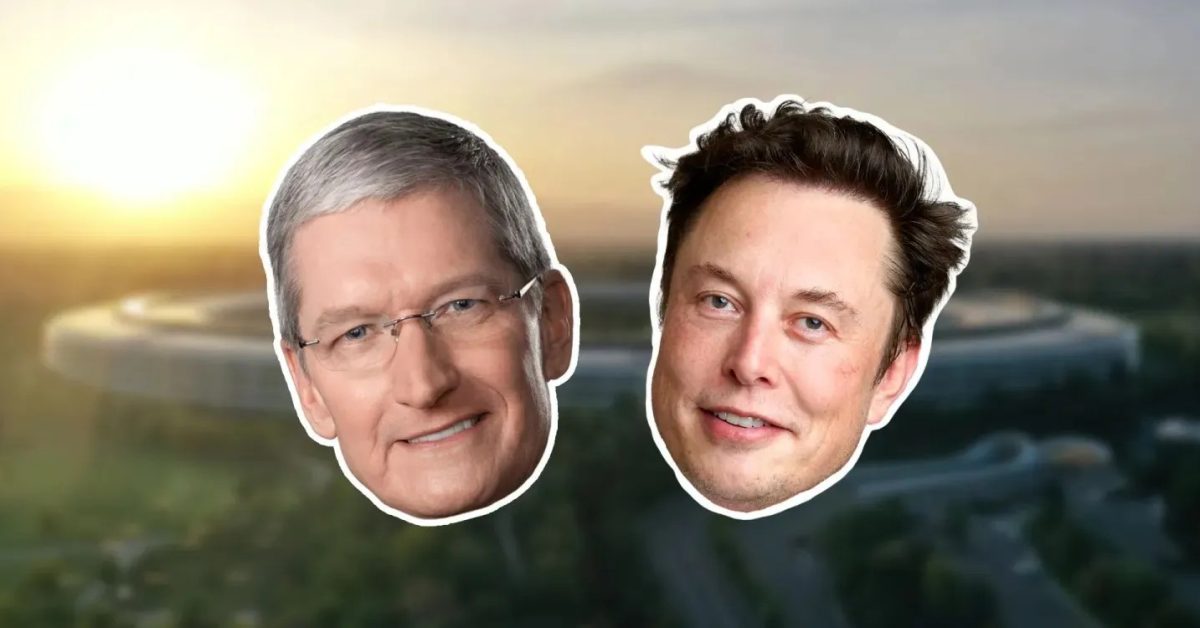
- The U.S. court has officially named Apple’s Craig Federighi a document custodian in the xAI antitrust case, while rejecting the bid to include Tim Cook.
- Apple must produce documents regarding its AI partnerships and software development by June 17, 2026, though the scope of discovery remains strictly defined.
- In a reciprocal move, the court has compelled Elon Musk to provide extensive personal and corporate communications from his various companies to assist in OpenAI’s defense.
The Escalating Legal Battle Over AI Market Dynamics
The ongoing legal confrontation between Elon Musk’s xAI and the tech giants Apple and OpenAI has entered a critical discovery phase. In a significant procedural development, a U.S. court has granted xAI’s request to designate Apple’s Senior Vice President of Software Engineering, Craig Federighi, as a document custodian. This move marks a pivot in the antitrust lawsuit, which alleges that Apple’s integration of ChatGPT into its ecosystem unfairly disadvantages competing large language models (LLMs).
Why Federighi? The Strategy Behind the Discovery
xAI’s legal team successfully argued that as the architect of Apple’s software division, Federighi likely holds unique, high-level strategic information regarding the Apple-OpenAI partnership. The court acknowledged that Federighi’s involvement in the integration of “Apple Intelligence” places him at the center of critical decision-making processes. By adding him as a custodian, the court is compelling Apple to hand over relevant, discoverable documents currently in Federighi’s possession by June 17, 2026.
Tim Cook Spared from Custodian Designation
While the court validated the inclusion of Federighi, it notably denied the motion to include Apple CEO Tim Cook as a document custodian. The presiding judge, U.S. Magistrate Judge Hal R. Ray, Jr., ruled that the plaintiffs failed to demonstrate that Cook holds unique evidence that would not already be surfaced through the discovery of other key personnel. The court effectively limited the scope of discovery to prevent it from becoming overly burdensome or duplicative.
Broader Implications for AI Antitrust and Documentation
The court’s decision is not a total win for either side. While xAI gained access to Federighi’s documents, the ruling also provided relief to the defense:
- Limited Discovery Scope: The court denied a request for internal Apple documents regarding employee AI usage policies, deeming them irrelevant to the antitrust claims.
- Google Partnership Scrutiny: Apple must produce documents related to potential exclusivity clauses in its partnerships, though the request was significantly narrowed to focus strictly on AI provider competition.
- Compelling Musk: In a separate win for OpenAI, the court ordered Elon Musk to surrender extensive records from his various ventures, including Tesla, SpaceX, and his private XChat communications, by June 3, 2026.
The Path Ahead
This litigation highlights the growing tension between hardware incumbents and the burgeoning AI sector. As the June deadlines for document production approach, both parties are preparing for a deeper dive into the proprietary agreements that govern modern AI distribution on mobile platforms. For Apple and OpenAI, the focus remains on debunking claims of market exclusivity, while xAI continues to push for a broader investigation into how software integration impacts the competitive landscape of the global app market.