Google Tests Tiered Cloud Storage: Is Your Free 15GB Becoming a Luxury?

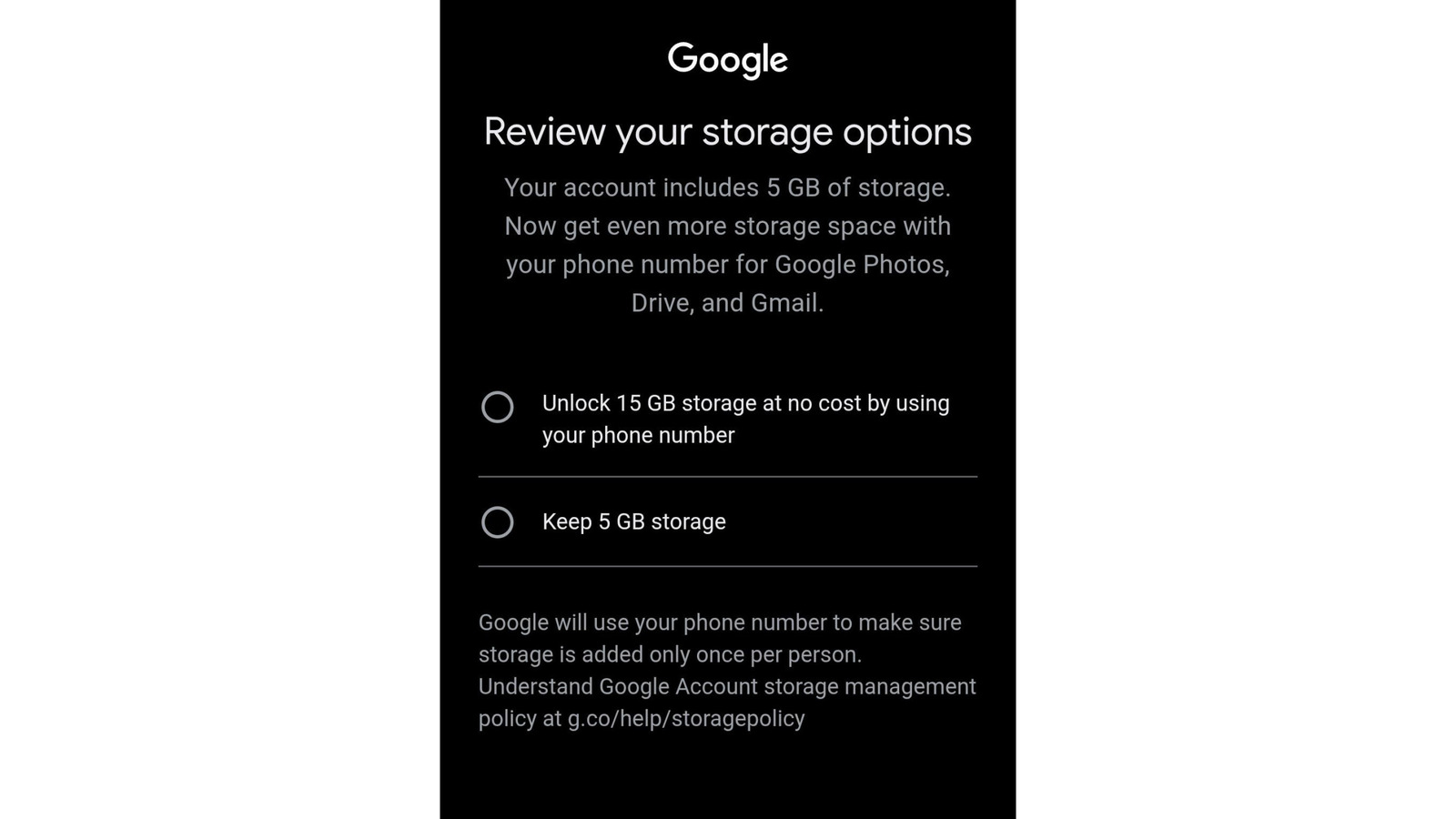
- Google is testing a new policy where new accounts may be limited to 5GB of storage instead of the standard 15GB.
- The full 15GB quota is now being tied to the verification of a phone number to improve security and prevent duplicate account creation.
- The change is currently limited to specific regions and is being framed as an ongoing experiment by the company.
The Changing Landscape of Google’s Cloud Ecosystem
For years, the promise of 15GB of free Google storage has been a cornerstone of the company’s onboarding process, serving as a gateway for users into the Google Workspace ecosystem. However, recent reports and observant users suggest that Google is testing a significant policy shift that could restrict free storage to just 5GB for new account holders unless specific verification criteria are met.
The Shift: From 15GB to a Conditional 5GB
According to emerging reports and confirmed by archived web pages, Google has quietly updated its documentation. Where the company once explicitly promised a flat 15GB of storage upon account creation, the language has transitioned to “up to 15GB.” This shift indicates that the baseline storage is no longer guaranteed for everyone.
Evidence suggests that users may now be prompted to link and verify a phone number to unlock the full 15GB quota. If a user opts out of this verification process, they may find their account capped at a much more restrictive 5GB limit.
Why is Google Changing its Storage Policy?
Google has officially labeled this initiative as a regional test. In a statement provided to media outlets, a spokesperson noted that the change aims to balance the high costs of maintaining quality cloud services while simultaneously incentivizing better account security and recovery practices. By requiring a phone number, Google can more effectively reduce the creation of spam accounts and ensure that each user receives their storage allocation “only once per person.”
Implications for New Users
While the prospect of reduced storage may sound alarming, the practical impact for the average consumer might be minimal. Most users creating a Google account already undergo phone number verification as part of the standard security setup. However, for those who prefer to keep their personal phone numbers off of tech-giant databases—or those setting up accounts on devices without active SIM cards—this policy represents a new, significant hurdle.
- Data Compression: Users with limited storage may be forced to migrate files to local storage or competing cloud providers sooner than anticipated.
- Regional Rollouts: As this is currently a “select region” test, many users globally may still see the traditional 15GB offer for the time being.
- Security Trade-offs: Users must weigh the benefits of increased account security against the privacy implications of linking a personal phone number to their primary cloud account.
As Google continues to navigate the rising costs of data infrastructure and the challenges of bot-driven account creation, it is likely that such “conditional” access will become more common across the tech industry. For now, new users should be prepared to verify their identity if they want to maximize their cloud footprint.