Apple’s Foldable Revolution: Everything We Know About the Upcoming iPhone Ultra

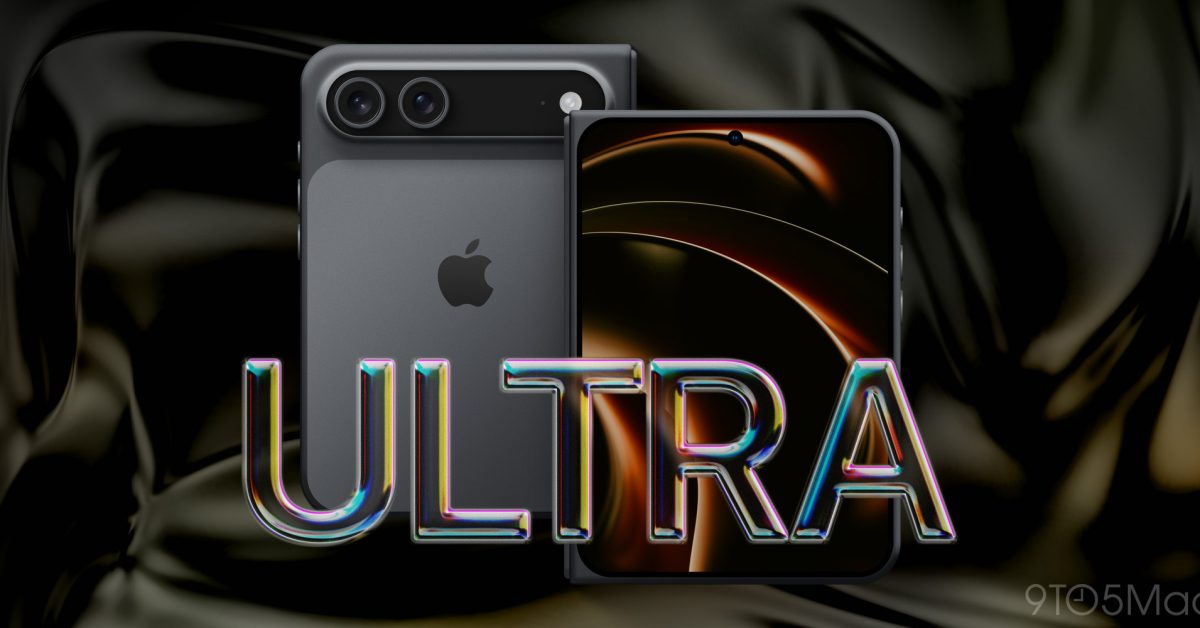
- Design Breakthrough: The iPhone Ultra features a crease-free, book-style folding design with an expansive 7.8-inch inner display and a premium titanium chassis.
- Technical Specs: Powered by the 2nm A20 Pro chip and Apple's proprietary C2 cellular modem, the device brings enhanced performance and 12GB of RAM to the foldable form factor.
- Unique Authentication: Due to structural thickness constraints, the device replaces Face ID with a power-button-integrated Touch ID sensor, marking a return to fingerprint authentication for high-end iPhones.
The Future of Apple Hardware: Entering the Foldable Era
The smartphone landscape is set for its most significant transformation in years as Apple prepares to unveil its inaugural foldable device, the iPhone Ultra. Slated for a fall launch, this high-end model represents a bold departure from the traditional iPhone form factor, merging the portability of a smartphone with the expansive utility of an iPad mini. As we approach the release date, here is a breakdown of what the industry expects from Cupertino’s latest innovation.
Design Language and Display Engineering
The iPhone Ultra embraces a unique book-style folding mechanism. Unlike existing market competitors that favor a taller, narrower aesthetic, the Ultra adopts a wider orientation. The device is expected to feature a 5.3 to 5.5-inch outer display and a massive 7.6 to 7.8-inch inner screen. Most impressively, rumors point toward a crease-free inner display—a major technical achievement that could set a new industry benchmark for foldable screen durability.
Constructed with a premium titanium border, the device aims to be remarkably thin, essentially feeling like two ultra-thin handsets combined. Apple plans to stick to a minimalist color palette, offering the device exclusively in black and white.
Under the Hood: A20 Pro and Advanced Connectivity
Performance will be managed by the new A20 Pro chip, manufactured on a cutting-edge 2-nanometer process. Leveraging Wafer-level Multi-Chip Module (WMCM) technology, the chip will prioritize thermal efficiency and sustained performance, supported by 12GB of LPDDR5 RAM. Furthermore, the iPhone Ultra will be among the first to feature Apple’s proprietary C2 cellular modem, signaling a complete shift away from Qualcomm components toward an in-house connectivity solution.
A Paradigm Shift in User Authentication
In a surprising move, the iPhone Ultra will eschew Face ID in favor of Touch ID. Due to the extreme thinness of the device, Apple engineers reportedly struggled to house the complex Face ID sensor array across both displays. Instead, a fingerprint scanner will be integrated directly into the power button, reminiscent of the implementation seen in recent iPad Air and mini models.
Software and Multitasking
To maximize the internal real estate, iOS 27 will introduce specialized multitasking capabilities. While the software will not run a full version of iPadOS, it will adopt “iPad-like” UI elements, including robust side-by-side app support, allowing for a more productive workflow on the go.
Camera Systems and Pricing Expectations
The camera configuration includes a 48MP Main sensor and a 48MP Ultra Wide lens. To maintain internal space for the folding hinge, the device will lack a dedicated Telephoto lens. Both displays will feature a hole-punch camera housing, utilizing the 18MP Center Stage sensor technology. With a rumored starting price of $1,999, the iPhone Ultra is positioned not just as a new product, but as a luxury entry into a new category of Apple mobile computing.