Apple’s Revamped Siri to Introduce Ephemeral Chats: A Privacy-First Approach to AI

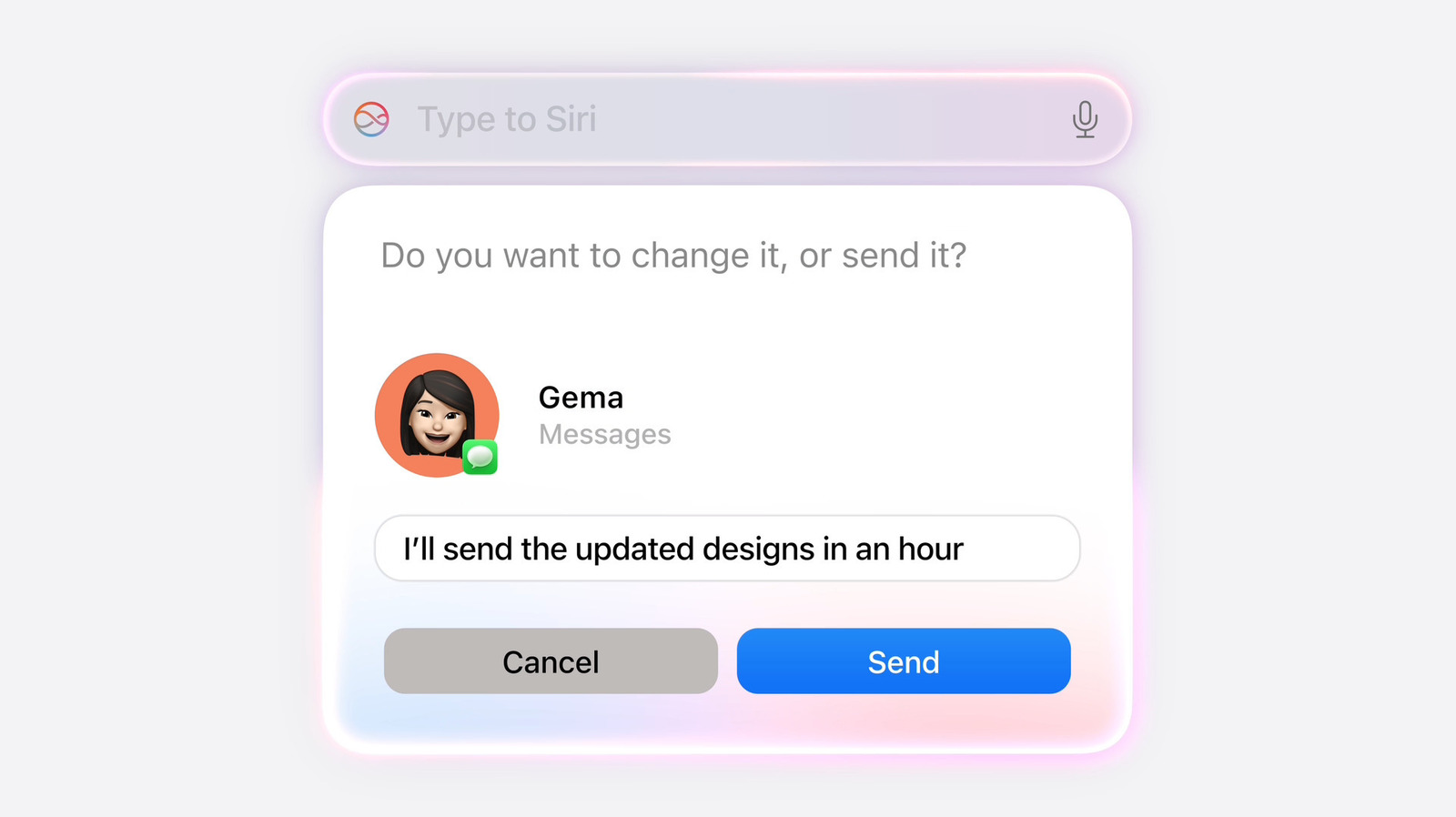
- Apple is set to introduce customizable chat retention settings for Siri, allowing users to auto-delete history after 30 days, one year, or keep it indefinitely.
- The update emphasizes privacy-by-default, prioritizing synthetic data generation over the massive real-world data collection common in rival LLMs.
- Expected to debut at WWDC 2026, the overhaul includes control over conversational context, giving users the choice to start fresh or continue existing AI threads.
The Future of Siri: Privacy Meets Intelligent Automation
As the race for generative AI supremacy intensifies, Apple appears to be doubling down on its hallmark value proposition: user privacy. According to recent reports from Bloomberg’s Mark Gurman, the Cupertino tech giant is preparing to integrate sophisticated, ephemeral chat options into the upcoming overhaul of Siri. This shift is poised to set Apple apart from competitors who rely heavily on long-term data retention to fuel their Large Language Models (LLMs).
Configurable History and Contextual Control
The updated Siri experience will reportedly introduce granular control over conversation logs, mirroring the maturity of the company’s Messages app. Users will likely gain access to a dedicated settings panel allowing them to dictate how long their interactions are stored. Proposed retention intervals include:
- 30-Day Auto-Delete: Ideal for users who want brief memory for ongoing tasks without long-term tracking.
- One-Year Retention: A balance between utility and data hygiene.
- Persistent Storage: A ‘forever’ option for users who prioritize deep historical context over maximum privacy.
Beyond retention schedules, Apple is expected to provide users with a toggle for conversational context. This feature will allow the AI to either initialize a session based on previous interactions or launch as a ‘blank slate,’ ensuring that sensitive or irrelevant past data does not influence current tasks.
Privacy as a Competitive Differentiator
The industry standard for AI development has long favored the collection of massive datasets to refine model accuracy. Many LLM providers utilize user interactions to retrain their models, a practice that has raised significant ethical and legal concerns. In contrast, Gurman notes that Apple is doubling down on synthetic data generation, minimizing the reliance on raw, real-world user data to train its models.
While some competitors offer ‘incognito’ or ‘temporary’ chat modes as optional features, Apple intends to weave these privacy protections directly into the fabric of the operating system. By positioning privacy as an ingrained feature rather than a toggle, Apple is signaling that it is willing to trade potential model ‘sharpness’—gained through aggressive data mining—for the trust and security of its user base.
What to Expect at WWDC 2026
The anticipation surrounding the new Siri is reaching a fever pitch as we approach WWDC 2026. Scheduled to kick off on June 8, the conference is expected to be the stage for Apple’s boldest AI strategy to date. As AI chatbots continue to face scrutiny over data subpoena potential and privacy breaches, Apple’s push toward automated, secure chat management may prove to be its most powerful strategic weapon.