Transparency Shift: Tesla Unveils Details on Robotaxi Teleoperator Collisions

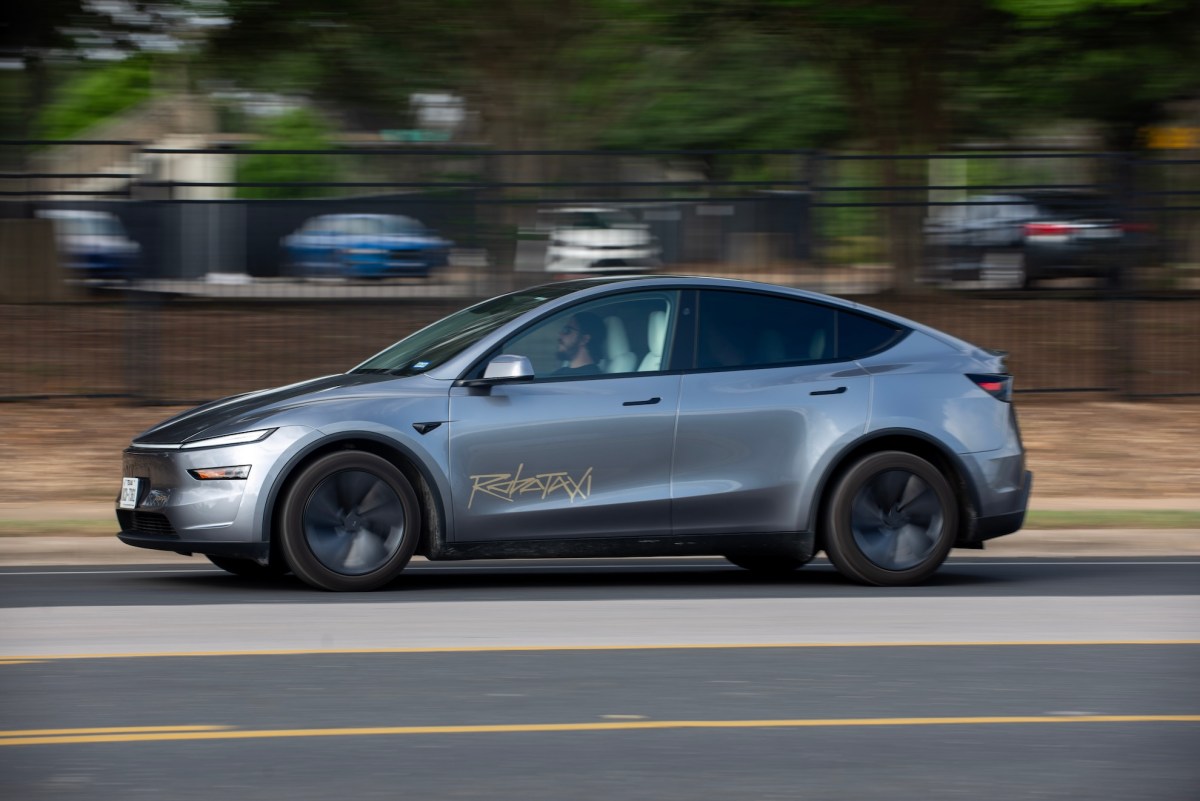
- Tesla has officially disclosed two low-speed crashes involving remote teleoperators, marking a shift toward greater transparency with the NHTSA.
- The incidents occurred when remote pilots attempted to maneuver stalled vehicles, resulting in contact with curbs, fences, and construction barricades.
- The newly released data suggests that safety concerns and the complexities of human-in-the-loop intervention are the primary drivers behind the slow, measured scaling of Tesla's Robotaxi network.
Transparency Shift: Tesla Unveils Details on Robotaxi Teleoperator Collisions
For months, the details surrounding Tesla’s Robotaxi safety record remained largely obscured behind redactions. However, a recent pivot in regulatory reporting has shed new light on the challenges facing Elon Musk’s autonomous ride-hailing network. Newly unredacted data submitted to the National Highway Traffic Safety Administration (NHTSA) confirms that Tesla’s fleet has been involved in at least two collisions while under the control of remote teleoperators.
The Reality of Remote Intervention
While the prospect of fully autonomous transport is the ultimate goal, current industry standards—including Tesla’s—often rely on human-in-the-loop systems. Tesla previously disclosed to lawmakers that it permits remote operators to pilot vehicles at speeds under 10 mph. According to the company, this capability is intended to move vehicles out of “compromising positions” without waiting for on-site assistance.
However, the latest NHTSA filings reveal that these remote maneuvers are not without risk:
- The July 2025 Incident: After a safety monitor requested help when the system stalled, a teleoperator took control, veered left, drove over a curb, and struck a metal fence.
- The January 2026 Incident: During a requested navigation assist, a teleoperator drove a Robotaxi directly into a construction barricade at approximately 9 mph, causing damage to the front-left fender and tire.
Moving Beyond Redaction
For the first time, Tesla has released narrative descriptions for all 17 crashes recorded by its Robotaxi fleet since mid-2025. Previously, Tesla had cited “confidential business information” as the justification for withholding these details—a practice that set them apart from other autonomous vehicle (AV) developers who typically provide more granular incident reporting. While most of the 17 recorded incidents involved other vehicles hitting the Tesla, the inclusion of “teleoperator-induced” crashes provides a rare, objective look at the limitations of remote assistance technology.
Scale vs. Safety
Industry analysts have long questioned the slow rollout of Tesla’s autonomous ride-hailing network in Austin, Texas. With competitors like Waymo and Zoox operating at a significantly higher scale, Tesla’s cautious expansion now appears to be a calculated response to these technical hurdles. During a recent address, Elon Musk acknowledged that ensuring absolute safety remains the “biggest limiting factor” to scaling the network.
As Tesla continues to refine its Full Self-Driving (FSD) architecture and remote operational protocols, the shift toward transparency with the NHTSA marks a critical turning point. It suggests a growing recognition that for autonomous vehicles to achieve mainstream trust, the industry must be as open about its “fender benders” as it is about its technological breakthroughs.