Why AI Has Become the Commencement Stage’s Most Divisive Topic

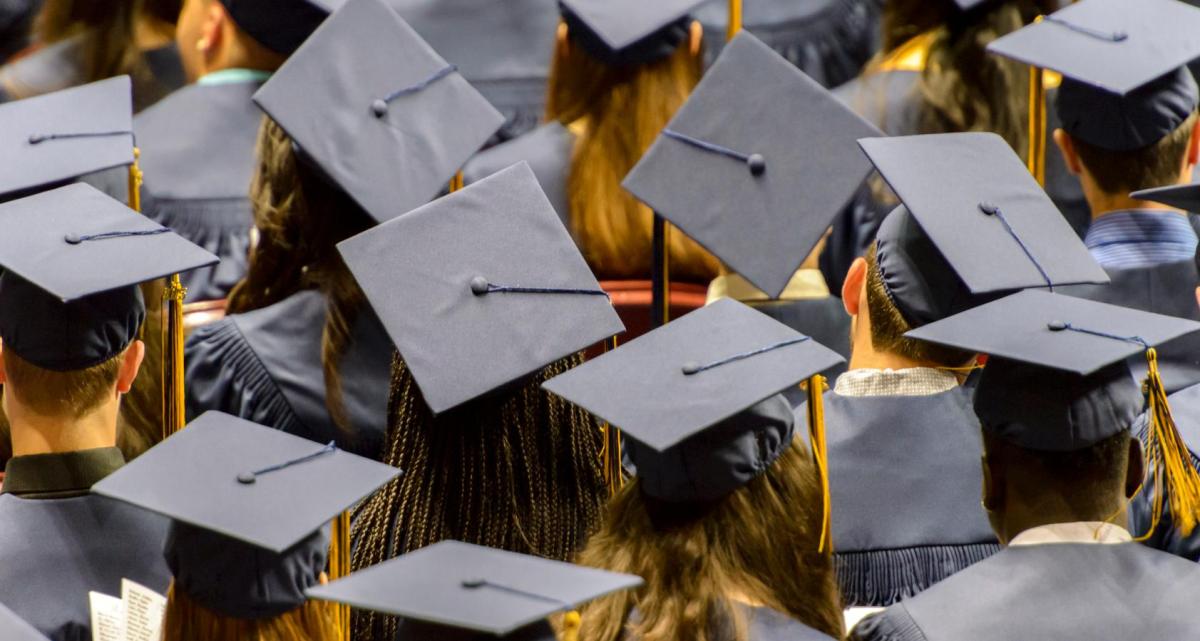
- Commencement speakers at major universities have faced significant vocal protests this year for promoting AI-driven futures to anxious students.
- The backlash is rooted in economic pessimism, with many young graduates viewing AI as a direct threat to job security and human agency.
- Speakers are being warned that empty corporate optimism regarding technology often fails to resonate with a demographic facing significant systemic challenges.
The AI Backlash: Why Graduates Are Turning Against Tech Optimism
Commencement season is traditionally a time of hope, inspiration, and forward-looking rhetoric. However, for speakers in 2026, the podium has become a precarious place. Recent graduation ceremonies have seen a growing trend of vocal student pushback, specifically targeting speakers who attempt to frame Artificial Intelligence as the definitive beacon of the future.
During a recent commencement address at the University of Central Florida, Gloria Caulfield of Tavistock Development Company attempted to frame AI as the “next industrial revolution.” The response was immediate and overwhelming: a chorus of boos that drowned out her speech. Similarly, former Google CEO Eric Schmidt faced hostile crowds at the University of Arizona, where chants and jeers persisted throughout his address, particularly when he encouraged students to help “shape” the future of AI agents.
The Disconnect Between Corporate Enthusiasm and Student Reality
The friction between keynote speakers and graduating cohorts highlights a profound disconnect. While executives view AI as a milestone of innovation and productivity, many students view it through a lens of existential anxiety. According to recent Gallup polling, optimism among young Americans regarding the job market has plummeted, dropping from 75% in 2022 to just 43% today.
Critics, including tech journalist Brian Merchant, argue that for the current generation, AI is increasingly perceived as the “cruel new face of hyper-scaling capitalism.” Rather than a helpful tool, many graduates view AI as a threat to their career prospects and creative autonomy. When corporate leaders—often already viewed with skepticism—tout a technology that threatens to displace the very entry-level jobs these students have spent years studying for, the backlash is almost inevitable.
Is AI Becoming a ‘Third Rail’ for Public Speakers?
Not every mention of AI is met with hostility. Nvidia CEO Jensen Huang’s recent address at Carnegie Mellon remained largely peaceful, suggesting that the context—and the speaker’s credibility—matters. However, the recurring theme of “resilience” across this year’s graduation speeches underscores that students are acutely aware of the challenges they face: fragmented politics, climate instability, and an economy being rapidly reshaped by automation.
For the Class of 2026, the future feels less like a “rocket ship” to be boarded and more like a volatile landscape they are being forced to navigate without a map. As one student noted, the collective booing wasn’t necessarily a targeted protest against one individual, but a visceral reaction to the feeling that their futures are being dictated by systems they did not choose and cannot control.
The Takeaway for Future Speakers
If there is a lesson for those taking the stage in the coming years, it is this: Read the room. While AI is undeniably the most significant technological shift of the decade, it is currently a lightning rod for deep-seated economic anxieties. To avoid the fate of this year’s speakers, those in positions of power must move beyond generic corporate optimism and address the genuine, systemic concerns of a generation that feels the cards are stacked against them.