The Automotive AI Skills Arms Race: How General Motors and Industry Leaders Are Reshaping the Workforce

- Major automotive players like GM are purging legacy IT roles to aggressively recruit talent specialized in AI-native development, cloud engineering, and data science.
- The shift is reflected in significant workforce reductions across the sector, with over 20,000 salaried jobs eliminated as firms pivot toward AI integration.
- Successful companies, such as Samsara, are demonstrating the viability of AI by converting massive sensor datasets into actionable, revenue-generating municipal infrastructure products.
The Great Automotive Pivot: AI Proficiency as the New Industry Standard
The automotive industry is currently undergoing a structural transformation that extends far beyond the transition to electric vehicles. A seismic shift is underway as legacy automakers and tech-driven transportation firms aggressively realign their workforce, prioritizing AI-native talent over traditional IT skill sets. This “AI skills arms race” is fundamentally redefining the composition of the modern automotive labor market.
The Strategic Skills Swap
General Motors recently signaled the scale of this change by laying off approximately 600 salaried employees within its IT division. Rather than a simple reduction in force, the move is framed as a strategic “skills swap.” The organization is actively pruning legacy roles to clear capacity for high-demand talent capable of navigating the complexities of the modern AI ecosystem. According to internal reports, the hiring priority is shifting toward:
- AI-Native Development: Professionals who can design, architect, and deploy AI systems from the ground up.
- Data Engineering and Analytics: Experts capable of managing the massive datasets required to train automotive-grade machine learning models.
- Prompt Engineering and AI Workflow Design: Specialists tasked with integrating AI tools into existing engineering pipelines to maximize productivity.
This trend is not isolated to GM. Data indicates that Ford, GM, and Stellantis have collectively reduced their U.S. salaried workforces by nearly 20% since the start of the decade. While these layoffs are multifaceted, technological disruption—specifically the integration of AI—is a primary driver.
From Data Collection to Revenue Generation
While some companies are still navigating the initial phases of AI adoption, others have successfully operationalized the technology. A prime example is Samsara, which has pivoted from a hardware-centric model—using cameras for driver monitoring and theft prevention—into a data-driven service provider. By leveraging the vast data collected from millions of commercial trucks, the company has developed proprietary models that detect and analyze road infrastructure deterioration, specifically potholes, creating a lucrative B2G (business-to-government) revenue stream.
Capital Flows and Innovation
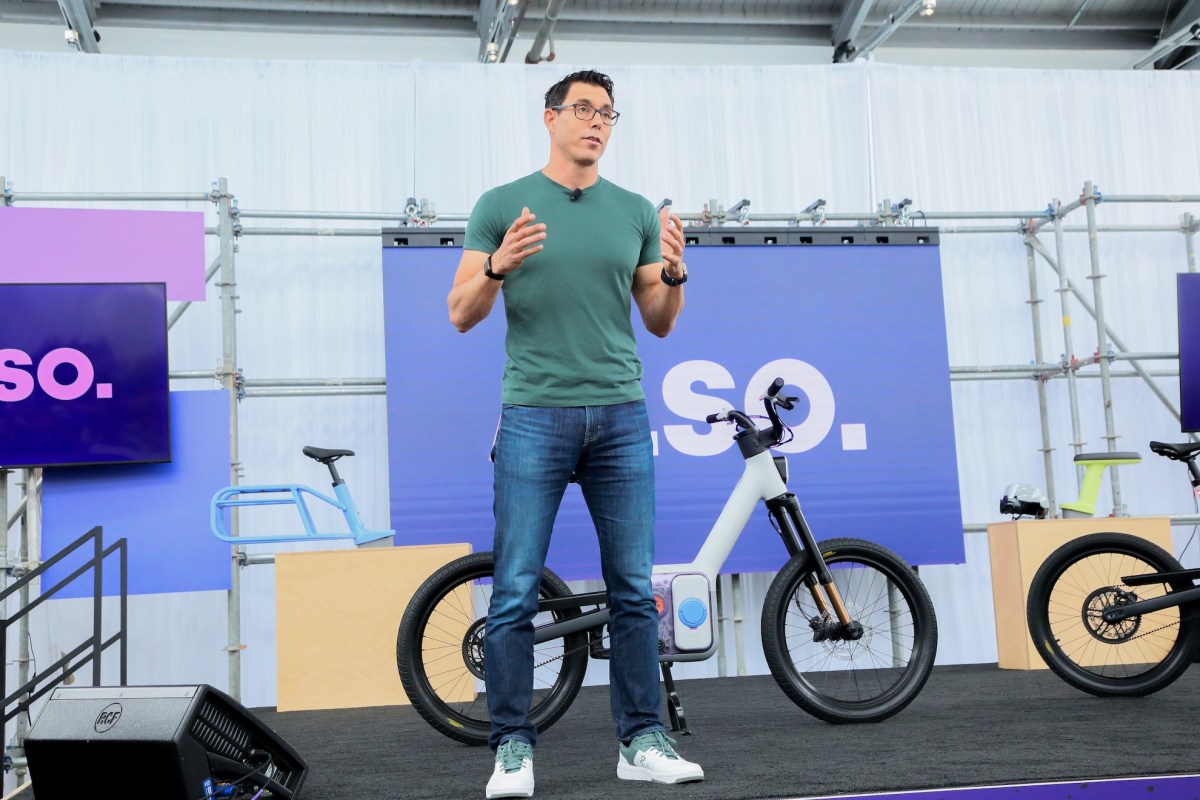
The broader mobility ecosystem continues to command significant investor attention. Notably, the fundraising velocity of companies like RJ Scaringe’s ventures—including Rivian and Mind Robotics—highlights the immense confidence venture capital firms place in leaders capable of scaling AI-integrated hardware. With over $12 billion in direct investment poured into Scaringe’s projects, the industry is witnessing a clear mandate: capital is flowing toward organizations that can successfully bridge the gap between traditional automotive manufacturing and cutting-edge software development.
As the sector matures, the “skills arms race” will likely intensify. The winners in this new era will be the companies that treat AI not as a plug-and-play productivity tool, but as a foundational element of their vehicle design, supply chain optimization, and infrastructure management strategies.