The Trust Deficit: Why the Musk vs. OpenAI Trial Is a Watershed Moment for AI Governance

- The Musk-OpenAI trial has shifted from a legal dispute to a broader public debate regarding the integrity of AI leadership and corporate transparency.
- A primary issue is the 'information asymmetry' between private AI labs and the public, leaving regulators without critical visibility into how AI is governed.
- Regardless of the court's verdict, the trial serves as a warning that the tech industry's 'trust deficit' poses a significant risk to the future of AI development.
The Trust Deficit: Why the Musk vs. OpenAI Trial Is a Watershed Moment for AI Governance
The high-stakes legal battle between Elon Musk and OpenAI has reached its dramatic conclusion, with closing arguments now in the hands of the jury. While the legal technicalities focus on OpenAI’s transition into a for-profit entity, the underlying narrative has transcended contractual disputes. At its core, the trial has exposed a profound ‘trust deficit’ that defines the modern artificial intelligence landscape.
The Spotlight on Sam Altman
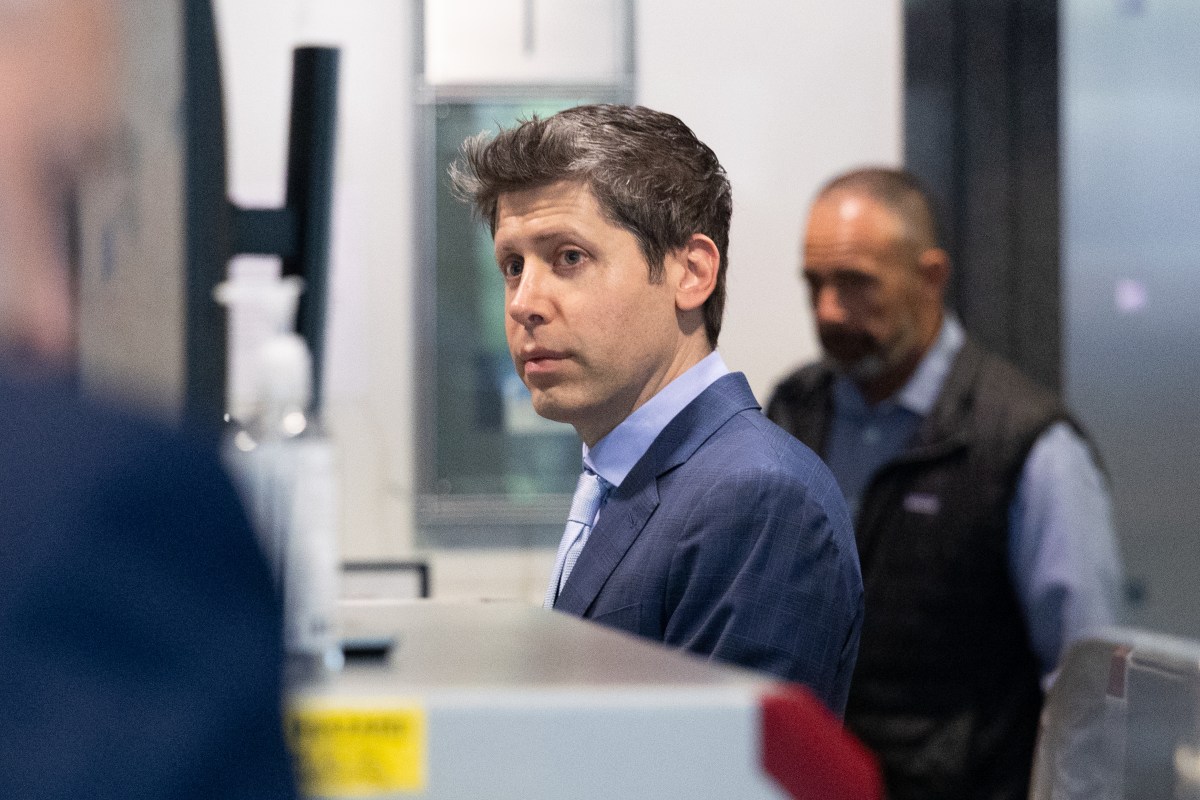
Throughout the proceedings, OpenAI CEO Sam Altman faced intense scrutiny regarding his personal and professional credibility. Musk’s legal team notably interrogated Altman on past statements made during congressional testimony—specifically regarding his equity stake in the organization. This line of questioning wasn’t merely a courtroom tactic; it reflected a wider industry skepticism toward a leader who has admitted to being ‘conflict-averse’—a trait that critics argue has led to inconsistencies in transparency.
As industry experts, including the panel from TechCrunch’s Equity podcast, have observed, the trial highlights a unsettling reality: the most transformative technology of our generation is currently being developed behind closed doors, largely shielded from public oversight.
The “Black Box” of AI Development
The central concern for regulators, journalists, and the public is the lack of visibility into private AI labs. Because these companies remain private, they operate behind a ‘veil’ that obscures their decision-making processes, safety protocols, and actual intent. Key questions remain unanswered for stakeholders:
- The Intent Paradox: Can noble intentions still result in catastrophic misuse?
- Governance Accountability: If these firms remain private, how can society enforce accountability before a crisis occurs?
- Information Asymmetry: Are policymakers making decisions on AI legislation based on accurate data, or are they being managed by the same PR-driven narratives used by the labs?
A Broader Industry Reckoning
While the trial may have started as a personal clash between Musk and a former collaborator, the implications extend far beyond the two parties. We are witnessing an era where ‘trust’ is the primary currency of AI. If the public and regulators cannot trust the leaders at the helm of these companies, the path to widespread adoption and integration becomes increasingly precarious.
Ultimately, the jury’s verdict may determine the legal outcome for OpenAI, but the trial has already served a different purpose: it has forced a long-overdue conversation about the necessity of transparency in the AI sector. Until these organizations move toward public reporting or increased oversight, the question of ‘who can we trust?’ will continue to haunt the halls of Silicon Valley.