watchOS 27 Compatibility: Is Your Apple Watch Ready for the Future?

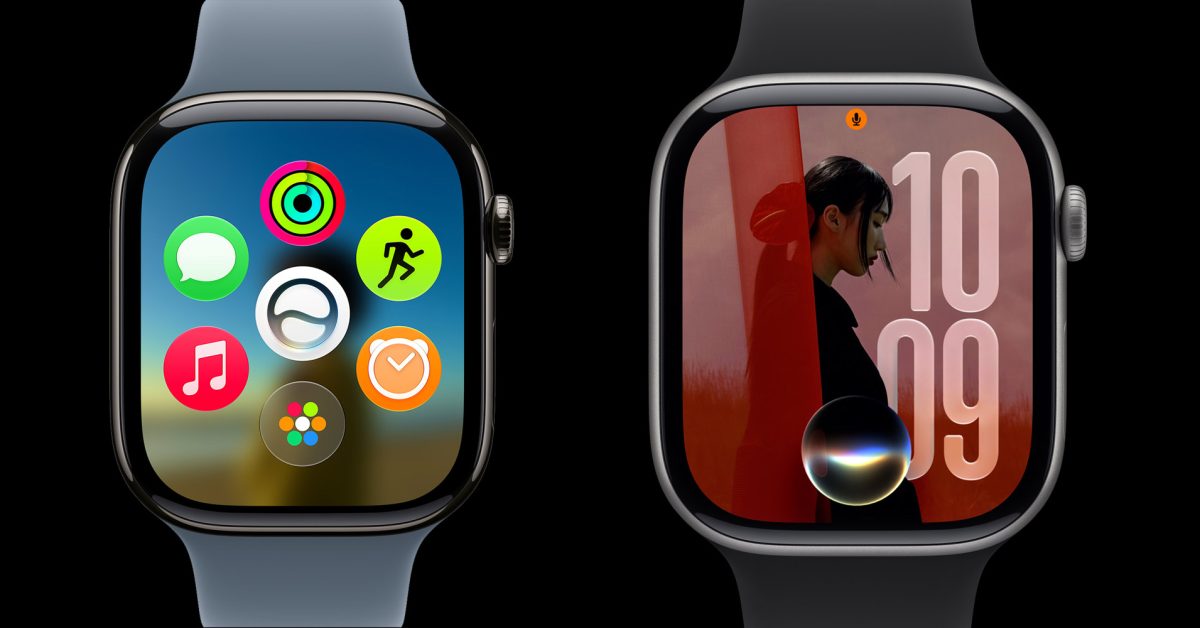
- Apple has unveiled watchOS 27 at WWDC 2026, introducing advanced AI features and deeper fitness data analytics.
- The update drops support for Apple Watch Series 6 through 9, Apple Watch SE (2nd Gen), and the first-generation Ultra.
- Only the latest models, including the Series 10, 11, and Ultra 2/3, are compatible with the new software when paired with an iPhone 11 or later.
The Evolution of watchOS: What You Need to Know About watchOS 27
As Apple takes the stage at WWDC 2026, the company has officially unveiled watchOS 27, marking a significant shift in its wearable software strategy. This year’s update focuses heavily on advanced AI integration, specifically through the new Siri AI app, alongside sophisticated data insights for fitness enthusiasts. However, with these performance-heavy updates comes a streamlined compatibility list, as Apple officially drops support for several legacy devices.
Key Changes in Device Support
Apple’s move to focus on high-performance neural processing means that older hardware no longer meets the technical requirements for the latest software suite. The transition effectively ends the support lifecycle for popular models including the Apple Watch Series 6, 7, 8, and 9, as well as the 2nd generation Apple Watch SE and the original Apple Watch Ultra. This decision is likely driven by the hardware requirements necessitated by the new generative AI features integrated into the watchOS interface.
The Supported Hardware List
If you are planning to upgrade or verify if your current wearable will receive the watchOS 27 update, ensure your device is on the official supported list. Here are the models that qualify for the latest OS:
- Apple Watch Series 11
- Apple Watch Series 10
- Apple Watch Ultra 3
- Apple Watch Ultra 2
- Apple Watch SE (3rd generation)
System Requirements and Connectivity
It is important to note that the watchOS experience does not exist in a vacuum. To successfully install watchOS 27, your paired iPhone must also be running the latest software. Specifically, users are required to have an iPhone 11 or newer—or an iPhone SE (2nd generation or later)—running iOS 27. Users with unsupported watches should keep in mind that while their current device will remain functional, they will miss out on critical security patches and the latest health-tracking innovations that characterize this year’s release.
For those looking to stay at the cutting edge of wearable technology, the shift to watchOS 27 marks an ideal time to assess whether your current device still aligns with your performance needs. As Apple continues to lean into on-device AI, the gap between legacy hardware and the latest flagship models is expected to widen further.