US Military Accelerates AI Integration Under New Presidential Directive

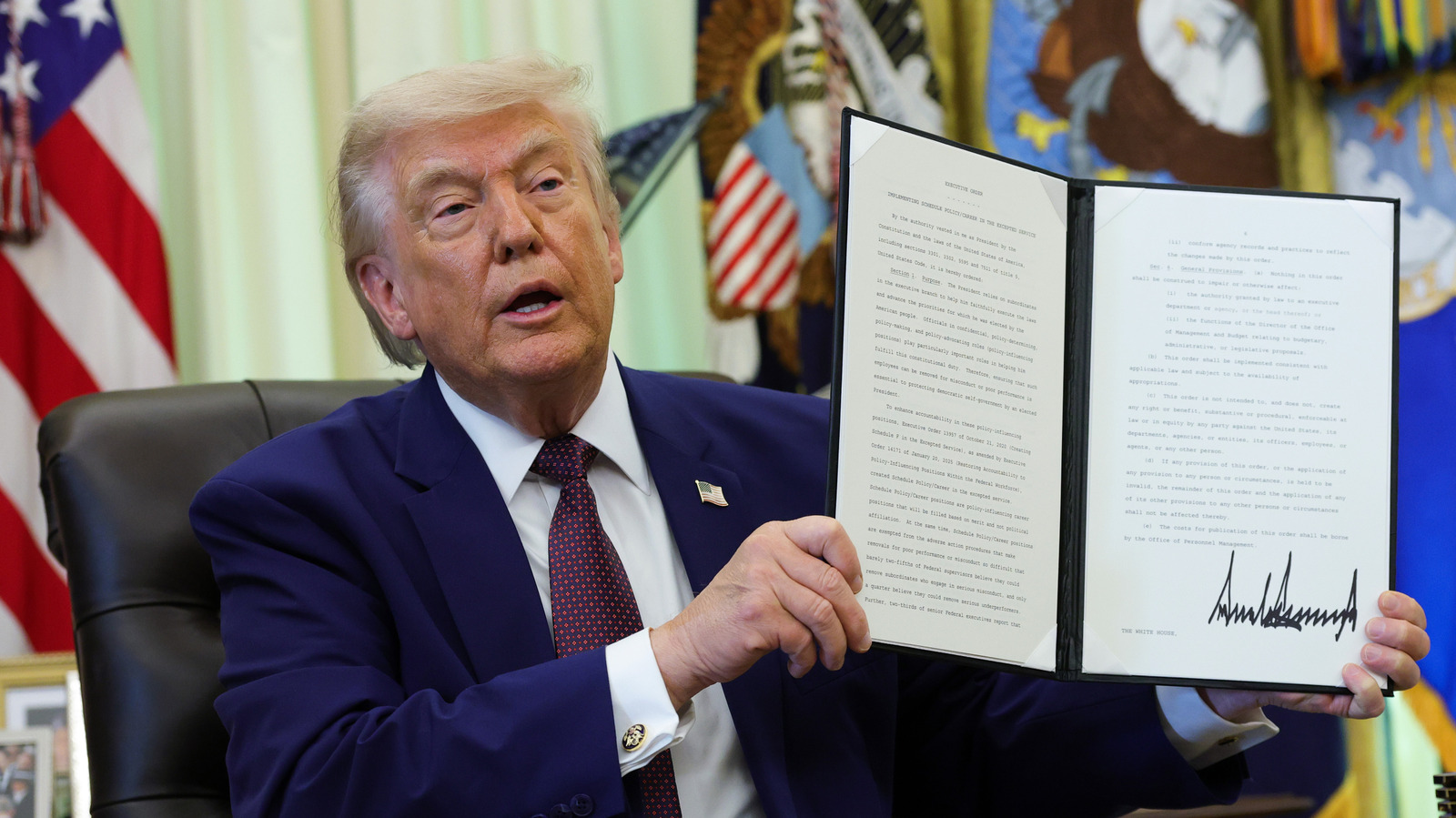
- President Trump signed a new memorandum to rapidly integrate advanced commercial AI models into the U.S. military.
- New restrictions prevent vendors from modifying or disabling military-grade AI systems without prior federal approval.
- The policy enforces ethical safeguards against AI-driven censorship and unlawful surveillance while mandate-updating autonomous weapons protocols.
Modernizing Defense: The Shift Toward Frontier AI
In a significant move to reshape the technological landscape of national security, the Trump administration has issued a new National Security Presidential Memorandum (NSPM). This directive is specifically designed to fast-track the integration of cutting-edge artificial intelligence into the United States military infrastructure, ensuring that American defense agencies maintain a competitive edge on the global stage.
The memo emphasizes the need for rapid onboarding of sophisticated AI models from diverse commercial vendors. By streamlining the acquisition process, the administration aims to adapt both commercial and open-source innovations for critical mission use, effectively bridging the gap between Silicon Valley breakthroughs and defense-sector applications.
Key Provisions and Military Directives
Beyond acceleration, the memo establishes strict governance protocols to maintain system integrity. A central component of this mandate is the protection of deployed AI systems. Under the new policy, no commercial entity or third-party developer may disable, degrade, or modify an AI system currently utilized by military personnel without receiving explicit prior approval from the government.
Furthermore, the directive mandates that Secretary of Defense Pete Hegseth release an updated policy regarding autonomous weapon systems. This signals a formal intent to modernize military doctrine to account for the increasing role of automation in combat environments.
Ethics and Guardrails in Defense AI
While the administration is pushing for rapid technological advancement, the memorandum includes specific ethical constraints. It explicitly prohibits defense agencies from developing or deploying AI models that are engineered to:
- Censor free speech.
- Embed ideological bias into decision-making processes.
- Conduct unlawful surveillance on American citizens.
These safeguards are intended to balance the aggressive pursuit of ‘the world’s most advanced AI’ with the civil liberties and values expected by the public. Michael Kratsios, director of the White House Office of Science and Technology Policy, noted that the objective is to provide warfighters with reliable, secure tools while maintaining the highest level of accountability.
This memo complements a recent executive order that establishes a 30-day review period for the government to assess ‘frontier models’ prior to public release. Together, these policies represent a comprehensive strategy to exert control over the AI lifecycle—from initial development and rigorous testing to secure battlefield deployment.