The watchOS 27 Compatibility Shift: What Apple’s Latest Update Means for Your Wearable

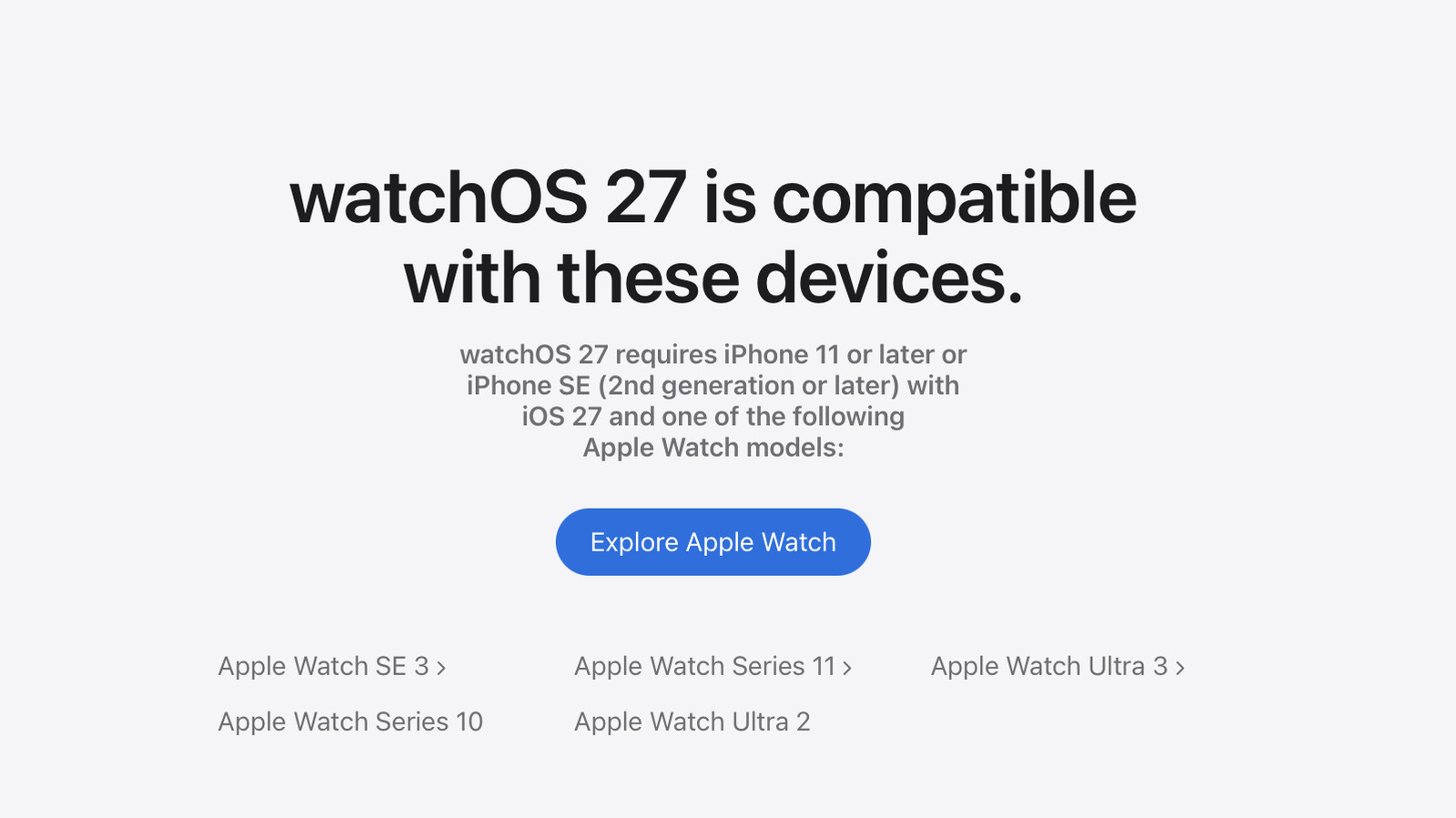
- watchOS 27 compatibility is strictly limited to modern models, including the Series 9 and newer, plus the Ultra 2, Ultra 3, and SE 3.
- The original Apple Watch Ultra and the Apple Watch SE 2 have officially lost support for the new OS.
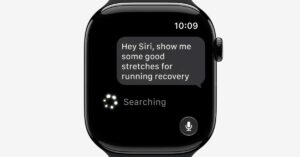
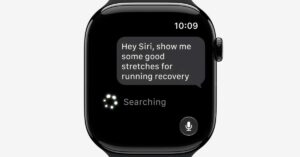
- The hardware cutoff is largely attributed to the heavy resource demands of the new AI-powered Siri features integrated into watchOS 27.
The Evolving Landscape of watchOS 27 Compatibility
As Apple takes the stage at WWDC 2026, the excitement surrounding the unveiling of watchOS 27 is tempered by the reality of hardware obsolescence. Every major software cycle brings the inevitable question: which devices will be left behind? This year, the focus has turned to the Apple Watch, where the cutoff line for the latest operating system has raised eyebrows across the tech community.
Defining the Supported Hardware
For users looking to upgrade to watchOS 27 this fall, the pool of supported devices is notably curated. The official list for the upcoming software release includes:
- Apple Watch Series 11
- Apple Watch Series 10
- Apple Watch Series 9
- Apple Watch Ultra 3
- Apple Watch Ultra 2
- Apple Watch SE 3
The announcement initially sparked confusion regarding the Series 9 and the original Apple Watch Ultra. However, Apple has clarified that the Series 9 remains fully supported, ensuring that users who purchased their devices as recently as 2023 will not be locked out of the new feature set. Conversely, the 2022-era Apple Watch SE 2 and the original Apple Watch Ultra have been excluded from the support list.
Why the Hard Cutoff?
The discrepancy in support longevity compared to the iPhone—where iOS 27 continues to support devices dating back to the iPhone 11—likely boils down to the integration of Apple Intelligence. With the company placing a heavy emphasis on a redesigned, AI-driven Siri, the computational demands on the wearable’s processor are unprecedented.
It appears that the neural engine capabilities required to run these advanced generative AI features locally on the wrist may be the primary bottleneck. For owners of the original Apple Watch Ultra, this marks a premature end to its lifecycle, prioritizing the performance of new Apple Intelligence features over legacy hardware compatibility.
What This Means for Users
While the exclusion of the original Ultra may be frustrating for early adopters, it signals a broader shift in Apple’s wearable strategy. As smartwatches transition from simple notification conduits to AI-powered assistants, the hardware requirements for RAM and NPU (Neural Processing Unit) performance are climbing. For those using an SE 2 or original Ultra, it may be time to consider an upgrade if access to the latest watchOS 27 features—especially the revamped AI Siri—is a priority for your daily workflow.