The Quest for the ‘Glass Slab’: Is Apple Risking Screen Distortion on the iPhone 20?

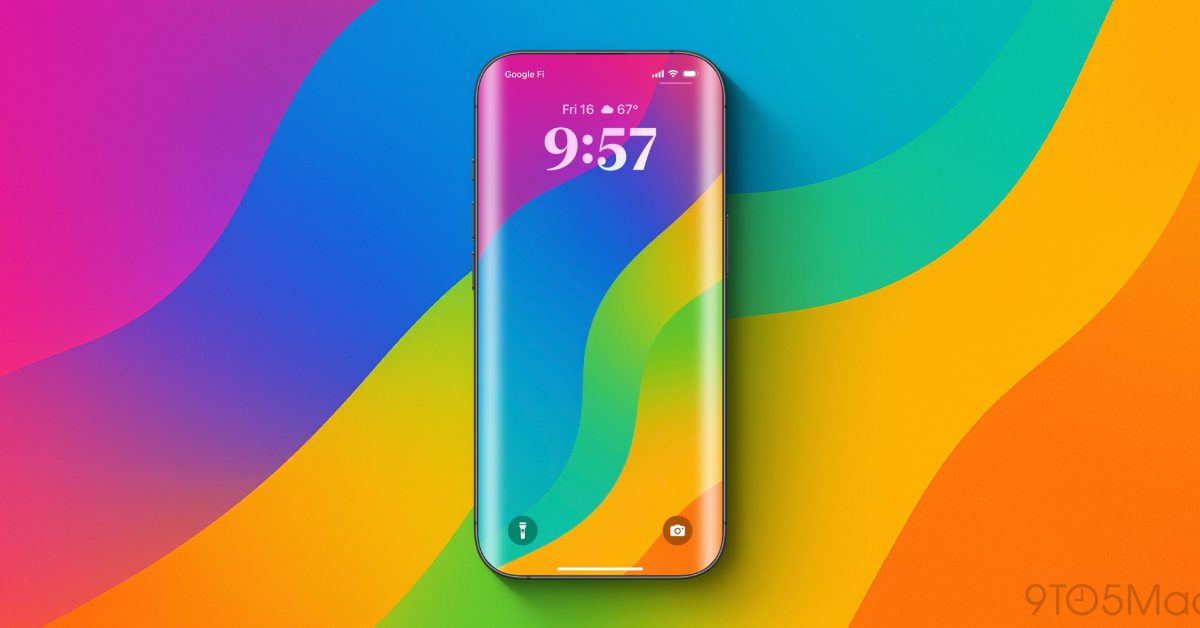
- Apple's iPhone 20 is rumored to feature a "4-sided bending" display, moving closer to a true bezel-free glass slab design.
- Technical reports highlight potential risks of screen distortion and brightness drops in the 2027 model due to current cathode layer limitations.
- A more refined version of this display, utilizing advanced Indium Zinc Oxide (IZO) electrodes, is expected to debut in the 2028 model to resolve these early-stage issues.
The Pursuit of the Bezel-Free Future
Apple’s long-term design roadmap has consistently pointed toward a singular, futuristic vision: a device that resembles a seamless, uninterrupted slab of glass. Recent supply chain reports suggest that the upcoming iPhone 20, widely anticipated as a landmark 20th-anniversary release, may be the platform where this vision finally takes center stage. However, with this ambitious leap in industrial design comes potential technical friction.
The Technical Hurdle: 4-Sided Bending
According to emerging reports from industry analysts and supply chain sources, Apple is preparing to implement a “4-sided bending” display technology. This design approach aims to curve the OLED panel around all four edges of the device, effectively eliminating bezels to create a truly immersive visual experience. While the aesthetic potential is immense, manufacturing such precise curvature at scale is fraught with engineering challenges.
The primary concern currently circulating involves the display’s cathode layer. Industry insights indicate that the current iteration utilizes a magnesium-silver alloy (Mg·Ag). While effective for standard flat displays, this material is reportedly prone to structural stress during the 4-sided bending process. Technical documentation suggests that this stress could lead to:
- Visual Anomalies: A distinct possibility of screen distortion along the curved edges.
- Luminosity Inconsistencies: A noticeable drop in brightness per unit area due to the structural limitations of the current cathode material.
A Phased Evolutionary Approach
The report, which initially suggested a “compromise” on the 2027 model, has since been clarified to frame the technology as an evolutionary process. Rather than a flawed rollout, it appears Apple is planning a two-tier strategy. The 2027 iPhone 20 will introduce the foundational 4-sided bending technology, while the 2028 successor is expected to refine the architecture significantly.
The anticipated fix involves a material science transition: replacing the existing cathode alloy with Indium Zinc Oxide (IZO). By implementing these transparent electrodes in the 2028 update, Apple aims to eliminate the distortion issues and recover the lost luminosity, effectively perfecting the “slab of glass” aesthetic.
Should Users Be Concerned?
While the prospect of early-iteration technical issues may cause hesitation for potential buyers, industry experts suggest taking these rumors with a grain of salt. Apple is notoriously rigorous in its quality control and prototyping phases. Whether the iPhone 20 arrives as a polished flagship or as the first chapter in a two-year design evolution remains to be seen. For now, the “bezel-less” dream is inching closer to reality, provided the manufacturing processes can keep pace with the design team’s ambitions.