Tesla Robotaxi Fleet Transparency: Two Remote-Operated Crashes Revealed

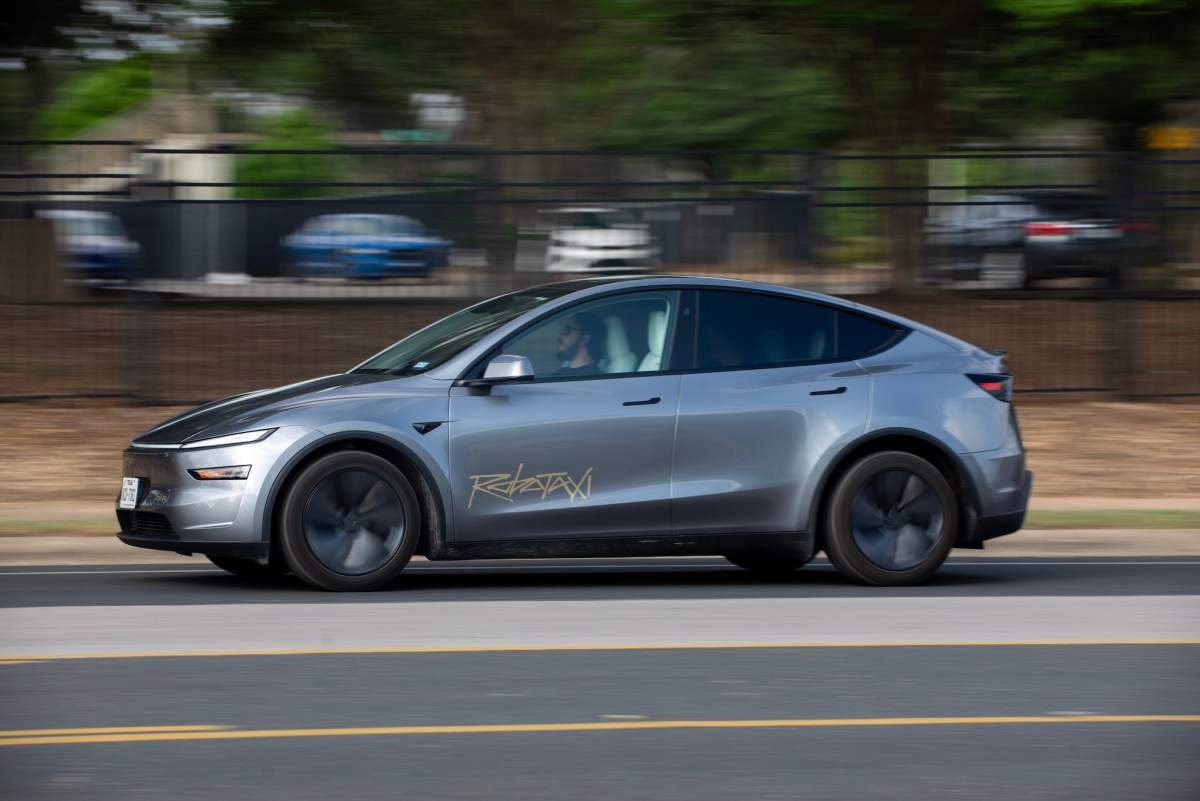
- Newly released NHTSA documents reveal that Tesla Robotaxis were involved in two separate crashes while under the control of remote teleoperators in Austin, Texas.
- Tesla had previously redacted these crash narratives but has now provided detailed reports on 17 incidents involving their autonomous fleet.
- The company continues to emphasize a "very cautious" approach to scaling its ride-hailing network, citing safety as the primary limiting factor for growth.
New NHTSA Data Sheds Light on Tesla’s Remote Operation Challenges
For months, the inner workings of Tesla’s burgeoning Robotaxi network have been shrouded in redacted regulatory filings. However, a recent data release from the National Highway Traffic Safety Administration (NHTSA) has pulled back the curtain, revealing that Tesla’s autonomous fleet has been involved in at least two crashes while under the control of remote teleoperators.
The Mechanics of Remote Assistance
Tesla’s approach to autonomous driving includes a fallback feature: remote assistance. When an automated driving system (ADS) encounters a complex scenario—such as becoming stuck in traffic or struggling with navigation—Tesla permits teleoperators to take control of the vehicle. According to the company, this capability is intended to prevent vehicles from becoming stranded, theoretically eliminating the need for roadside assistance in compromising positions.
Tesla has previously stated that these remote interventions are capped at speeds below 10 mph. While this safety buffer is designed to mitigate risk, the newly disclosed incident reports from Austin, Texas, suggest that even low-speed remote operation carries inherent complexities.
Key Incident Reports
- The July 2025 Incident: After the vehicle struggled to maneuver on a city street, a remote operator engaged manual control. While attempting to navigate, the operator drove onto a curb and collided with a metal fence.
- The January 2026 Incident: Seeking navigation support, a safety monitor requested remote assistance. The teleoperator proceeded through a construction zone at approximately 9 mph, resulting in contact with a temporary barricade that caused damage to the vehicle’s front-left fender and tire.
A Shift Toward Greater Transparency
Historically, Tesla has maintained that descriptions of its crashes constitute confidential business information, leading them to redact these details in previous filings. The sudden pivot to transparency—providing narrative descriptions for all 17 reported crashes in the last year—marks a significant shift in the company’s relationship with federal regulators. This transparency is vital as the autonomous vehicle (AV) industry faces increased scrutiny regarding safety benchmarks.
While industry peers like Waymo have reported a higher volume of incidents, it is important to contextualize this data. Tesla’s Robotaxi operations are currently scaling at a far more cautious pace. CEO Elon Musk has publicly acknowledged that the primary bottleneck to rapid expansion is ensuring the system is “completely safe,” justifying the company’s measured deployment strategy.
Broader Implications for Autonomous Tech
Beyond remote-control issues, the unredacted data highlights other challenges, including collisions with stationary objects like parking lot chains and, in one instance, an unavoidable collision with an animal. As Tesla continues to refine its ADS, these real-world data points serve as critical lessons for both the engineering teams and the regulators tasked with ensuring public safety on the road.