Samsung Health Goes AI-First: Massive Overhaul Ahead of Galaxy Watch 9 Launch

- Samsung is rolling out a major AI-centric redesign for the Samsung Health app starting June 8.
- New features like 'Vitals', 'Heart Health Score', and 'Fitness Index' leverage AI to provide deeper, personalized health insights.
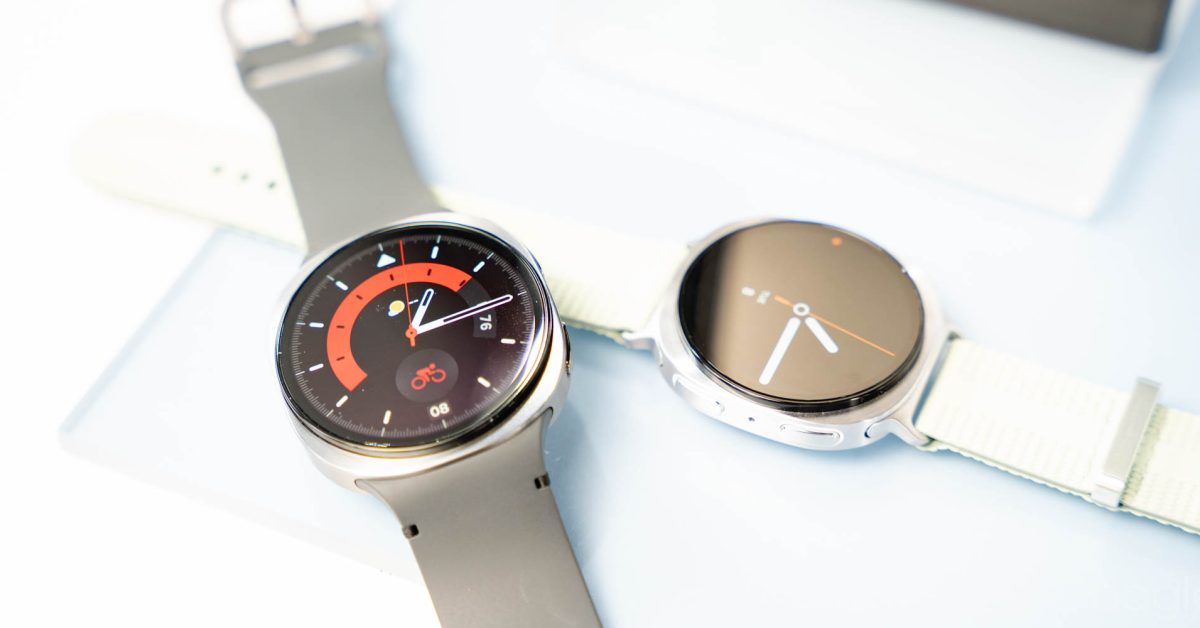
- The update serves as a precursor to the Galaxy Watch 9, which will feature advanced 'proactive intelligence' health capabilities.
Revolutionizing Digital Wellness with AI Integration
Samsung is set to transform the landscape of digital fitness with a significant, AI-driven redesign of its flagship Samsung Health application. As the company prepares for the highly anticipated launch of the Galaxy Watch 9, this update—scheduled for a global rollout starting June 8—marks a definitive shift toward proactive, intelligence-led health management.
Key AI-Powered Features
The redesign moves beyond basic tracking, positioning the platform as a holistic ecosystem. Central to this update are several new, data-dense features designed to provide actionable insights:
- Vitals Dashboard: A consolidated hub that aggregates heart rate, heart rate variability, respiratory rate, skin temperature, and blood oxygen levels. This allows users to identify anomalies in their physiological data at a glance.
- Heart Health Score: By synthesizing complex metrics—including sleep quality, stress levels, and body composition—the app provides a unified score to assess cardiovascular well-being.
- Daily Cardio Load: This feature tracks cumulative cardiovascular strain throughout the day, enabling users to optimize their activity goals based on real-time physiological feedback.
- Fitness Index: A comparative analytical tool that benchmarks metrics like VO2 max, heart rate, and step count against peers. The index breaks down performance into specific categories: strength, flexibility, endurance, cardio, and body composition.
Preparing for the Galaxy Watch 9
While the update enhances the experience for current users, it serves as a clear precursor to the hardware capabilities of the upcoming Galaxy Watch 9. Samsung has hinted that these software advancements are merely the beginning of a “proactive intelligence” era for their wearable lineup. By leveraging advanced machine learning algorithms, the upcoming hardware is expected to offer deeper predictive insights into user health.
This strategic move aligns with industry trends where wearable manufacturers are increasingly moving toward AI-centric, personalized health coaching. As competition in the wearable space intensifies, Samsung’s commitment to refining its health ecosystem suggests that the Galaxy Watch 9 will be positioned as more than just a smartwatch—it will be a sophisticated health monitoring device.
With the official product launch anticipated for late July, users can expect these AI enhancements to become even more deeply integrated with the next generation of Samsung’s hardware, promising a seamless transition from daily tracking to long-term health management.