Regulatory Deadlock: Apple Delays Siri AI Rollout in the European Union

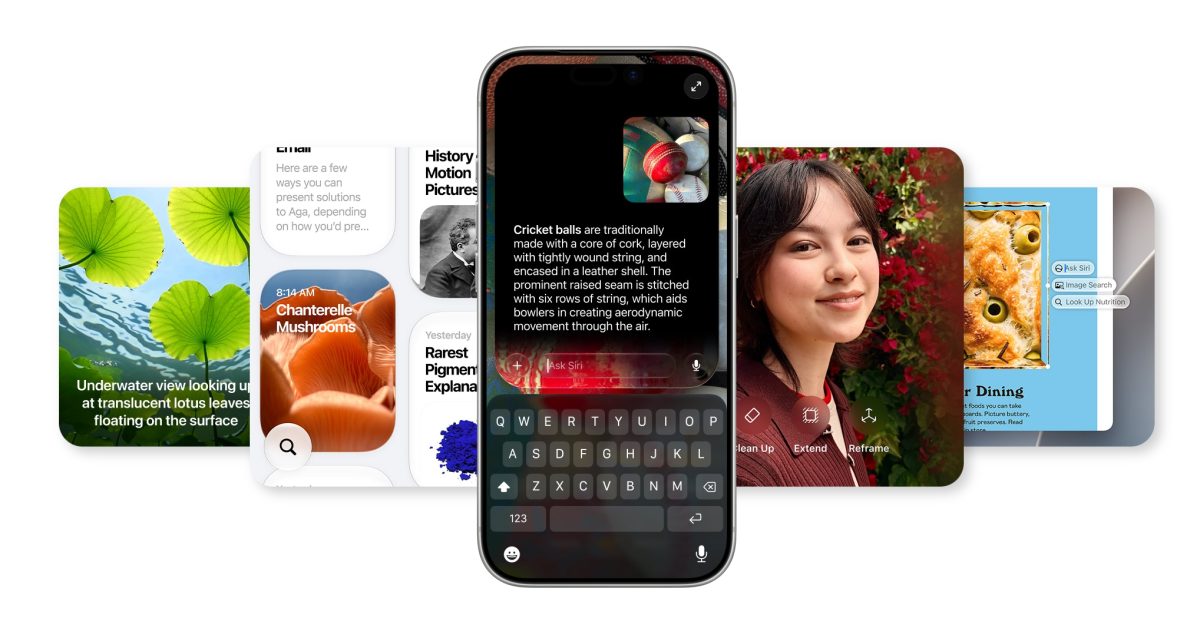
- Apple is delaying the launch of new Siri AI features on iPhones and iPads in the EU due to Digital Markets Act (DMA) compliance issues.
- The conflict centers on Apple's refusal to provide third-party AI providers the same deep system access that Apple uses, citing privacy and security risks.
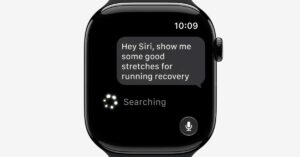
- While Mac, Vision Pro, and Apple Watch users in the EU are unaffected, there is currently no timeline for when iPhone users will receive the update.
The Compliance Conflict Behind the Siri Delay
Apple has officially announced that its highly anticipated generative AI features for Siri will face a significant delay for users within the European Union. While the rest of the world prepares to embrace the upgraded, context-aware capabilities of the new Siri, iPhone and iPad users in the EU will remain sidelined. Apple has explicitly identified the Digital Markets Act (DMA) as the primary catalyst for this decision, citing insurmountable regulatory friction.
Which Devices Are Affected?
The impact of this regulatory standoff is strictly confined to Apple’s mobile platforms. According to the company’s latest technical brief, the restrictions apply specifically to the iPhone and iPad due to their classification as ‘gatekeeper’ hardware under the DMA. Conversely, Mac, Apple Vision Pro, and Apple Watch users in the EU will maintain access to these advanced features, as those platforms do not currently fall under the same stringent regulatory scrutiny.
The Core Technical Disagreement
At the heart of the impasse lies the fundamental nature of Apple’s AI implementation. The new Siri requires deep, low-level access to system functionality and private user data to provide personalized, cross-app intelligence. Apple argues that for these features to function safely, they must maintain a rigid, privacy-centric architecture.
The European Commission, however, demands that Apple ensures third-party AI providers can integrate with the operating system at the same level of depth. Apple contends that while it can guarantee privacy within its own walled garden, it cannot vouch for the security and data-handling practices of third-party developers, leading to a fundamental security conflict.
Unsuccessful Negotiations and Future Outlook
Apple attempted to bridge this gap by developing a proprietary architecture called the ‘Trusted System Agent’. This layer was intended to coordinate sensitive data access while maintaining strict privacy protocols. Despite these efforts, EU regulators rejected the proposal, leading to a complete standstill in negotiations.
Craig Federighi, Apple’s Senior Vice President of Software Engineering, expressed frustration regarding the stalemate: “Our hope is to eventually bring Siri AI to the EU, and we will continue to engage with EU regulators. However, their refusal to engage constructively on solutions that preserve privacy and security means we do not currently have a timeline for availability.”
As of now, there is no estimated launch date for these features in the EU, leaving millions of users waiting for a resolution that hinges on complex international tech policy rather than software readiness.