NASA’s Ambitious Lunar Roadmap: Three Critical Missions Set for 2026

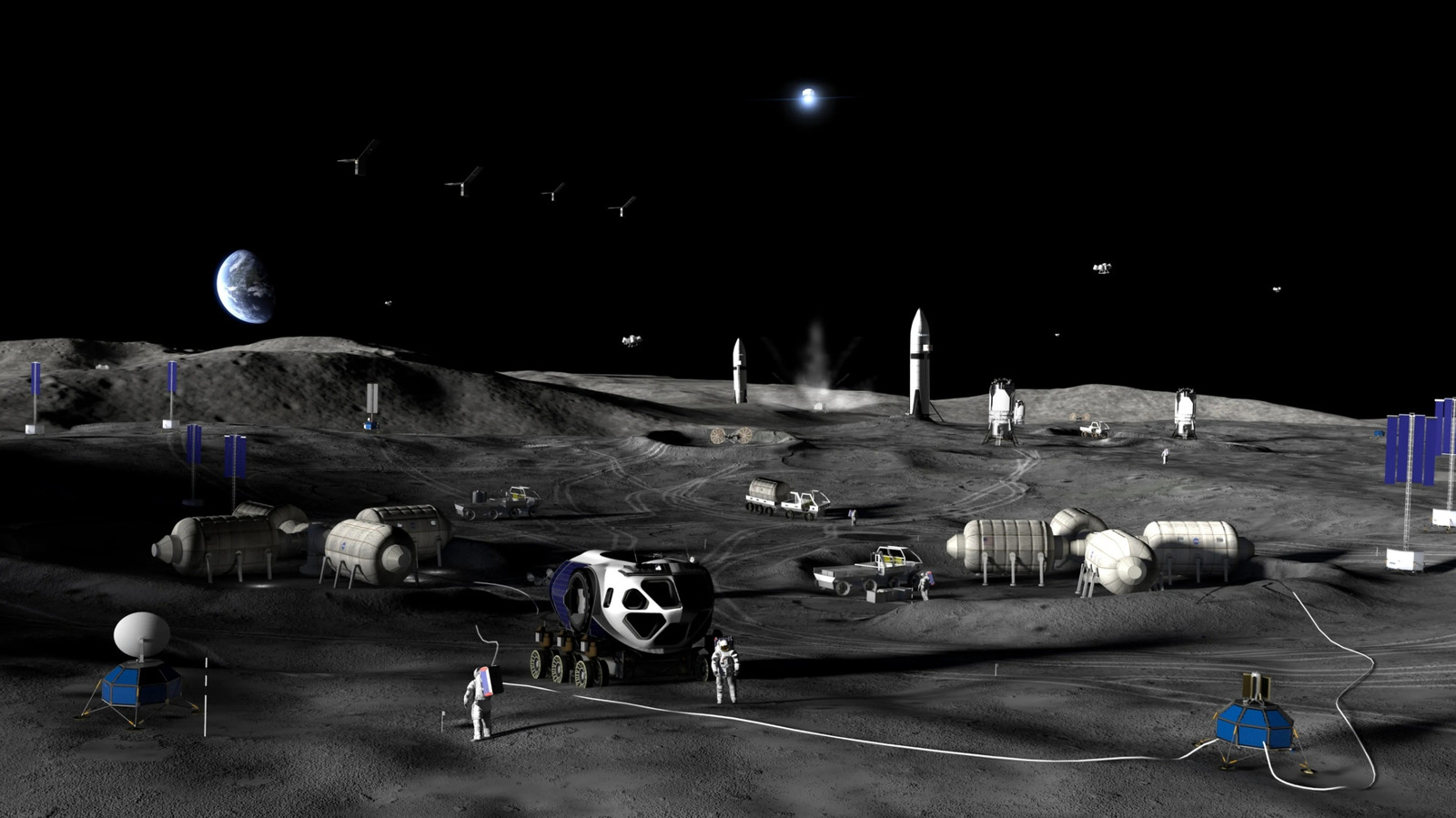
- NASA plans three robotic 'Moon Base' missions in 2026 to test lander performance and rover mobility.
- Strategic partnerships with companies like Blue Origin, Astrobotic, and Astrolab are central to delivering essential lunar infrastructure.
- The data gathered from these missions is foundational for the planned 2028 human return to the lunar surface.
Accelerating the Path to a Permanent Lunar Presence
NASA has unveiled an ambitious operational schedule for its upcoming ‘Moon Base’ mission series, signaling a significant push to solidify human infrastructure on the lunar surface before 2026 concludes. Following the successful completion of the crewed Artemis II flyby, the agency is shifting its focus from orbital reconnaissance to surface-level experimentation and logistical validation.
Defining the ‘Moon Base’ Mission Objectives
The upcoming missions serve as a critical technical bridge between current capabilities and the long-term goal of building a permanent base. By deploying advanced landers and next-generation rovers, NASA aims to stress-test equipment and survey lunar geology in preparation for future human landings.
- Moon Base I: Launching no earlier than autumn 2026, this mission utilizes Blue Origin’s Blue Moon Mark 1 Endurance lander. It will deploy specialized cameras and the Lunar Plume-Surface Studies instrument to analyze the environmental impacts of lunar landings.
- Moon Base II: This mission features the integration of Astrobotic’s Griffin lander, tasked with delivering the Astrolab FLIP rover. This deployment is essential for gathering data to refine future Lunar Terrain Vehicle (LTV) designs.
- Moon Base III: Closing out the 2026 window, this mission employs the Intuitive Machines Nova-C Trinity lander. Its primary objective involves studying lunar swirls and delivering international payloads for the European Space Agency and the Korea Astronomy and Space Science Institute.
Strategic Partnerships and Commercial Synergies
The complexity of these missions is supported by a robust network of commercial partnerships. NASA has strategically diversified its contracts, awarding substantial funding—$219 million to Astrolab and $220 million to Lunar Outpost—to innovate LTV designs. Additionally, Blue Origin’s $118 million contract underscores their growing role not just in delivery, but in developing the heavy-lift lander architecture required for crewed expeditions.
Looking Beyond 2026
While these robotic missions are vital, they represent only the beginning of a larger strategy. As NASA recalibrates its timeline—with the crewed surface return currently slated for 2028—these automated testbeds provide the empirical data required for safe human operations. In parallel, the agency is preparing for the ‘MoonFall’ mission, which will deploy autonomous drones to map landing zones and mitigate risks for the next generation of explorers.