Inside the iOS 27 Leak: A Paradigm Shift in Interface Design and Camera Control


- Customizable Imaging: iOS 27 is set to feature a fully revamped, user-definable camera interface to better serve enthusiast photographers.
- Siri Evolution: The digital assistant is receiving a massive under-the-hood reconstruction, complete with an intuitive, system-wide search gesture.
- Design Language Shift: Apple is introducing "Liquid Glass," a new design philosophy focused on streamlining the iOS aesthetic and improving visual fluidity.
The Next Evolution of Apple’s Ecosystem
As we approach the mid-2026 development cycle, industry leaks surrounding the upcoming iOS 27 are reaching a fever pitch. Recent reports from reliable supply chain insiders and Bloomberg suggest that Apple is preparing for a significant architectural overhaul, focusing heavily on user-centric customization and a complete rethink of core system utilities.
Redefining the iOS Camera Experience
Perhaps the most exciting revelation is the plan to move away from the static, native camera interface. Current reports indicate that iOS 27 will introduce a “fully customizable” camera application. This pivot suggests that Apple is listening to power users who have long requested manual control layout options, allowing photographers to prioritize specific tools like ISO, shutter speed, or focus peaking in their primary workspace.
Siri and System-Wide Navigation Overhaul
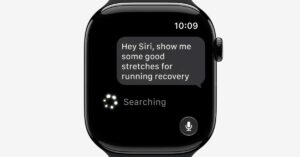
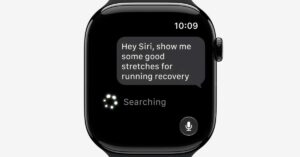
Siri has often been criticized for its rigid architecture, but iOS 27 appears poised to change the narrative. The latest leaks point toward a “completely rebuilt” Siri, which will integrate more deeply into the device’s kernel. A standout feature mentioned in the reports is a new system-wide search gesture. This addition is expected to streamline how users interact with their data, allowing for a more fluid, gesture-based navigation experience that feels less like a siloed application and more like an extension of the operating system itself.
The Aesthetic Shift: “Liquid Glass” Design Language
Perhaps the most intriguing buzzword surfacing from the development labs is “Liquid Glass.” Industry analysts interpret this as a comprehensive UI design language update aimed at creating a more cohesive, streamlined visual experience. The transition to this new aesthetic is expected to reduce visual clutter, favoring transparency, fluid animations, and a more intuitive use of depth across the Apple ecosystem.
Hardware Rumors: Why Touch ID Won’t Return to Apple Watch
While software dominates the headlines, hardware speculation continues to circulate. Reports confirmed that Apple has officially shelved plans to implement Touch ID on the Apple Watch. The decision reportedly stems from a two-fold engineering challenge: the physical constraints of integrating a biometric sensor into a chassis that must maintain rigorous IP68 waterproofing, and the effectiveness of current biometric authentication alternatives that prioritize power efficiency over localized fingerprint reading.
As we look forward to the official unveiling, it is clear that iOS 27 is being positioned as a transformative update, bridging the gap between Apple’s polished UX and the high-performance demands of the modern smartphone user.