Hardware Paranoia: Why Air Force One Travelers Were Forced to Discard Gifts and Devices After China Trip

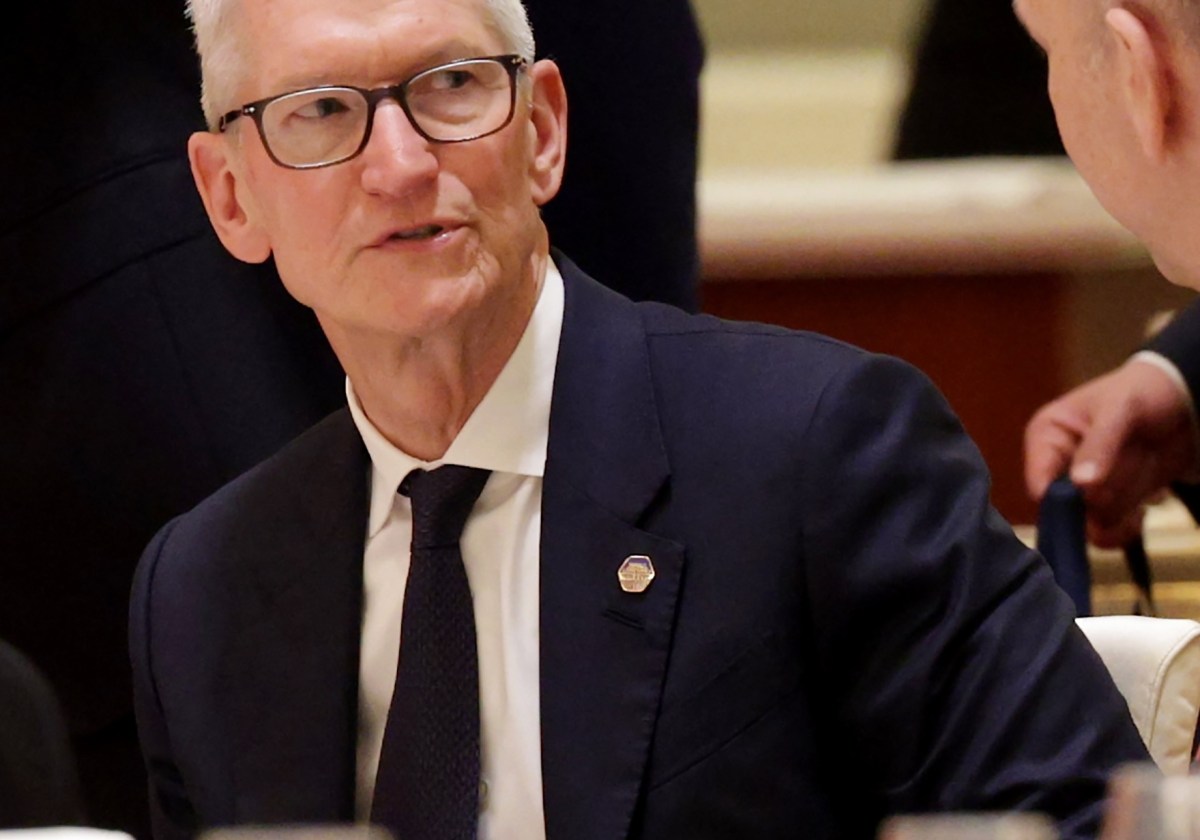
- U.S. officials and delegates were mandated to discard all gifts, electronic devices, and accessories collected in China before boarding Air Force One.
- The move is a standard counter-intelligence measure, addressing fears that physical items could harbor covert surveillance or tracking hardware.
- Burner phones utilized during the trip were surrendered to prevent potential data compromises from infecting high-security government networks.
The High Stakes of Digital Counter-Intelligence
In a striking display of operational security (OPSEC), members of a high-level U.S. delegation returning from Beijing were subjected to a rigorous sanitization protocol before boarding Air Force One. Following a summit between President Trump and President Xi Jinping, staffers, journalists, and government officials were ordered to surrender various items—including burner phones, commemorative pins, and diplomatic gifts—deeming them potential security liabilities.
The Logic Behind the ‘No-China’ Policy
According to reports from the White House press pool, the directive was absolute: “Nothing from China allowed on the plane.” While official statements from the White House remain pending, the move is a clear reaction to the sophisticated landscape of state-sponsored espionage. When traveling into environments where advanced persistent threats (APTs) are a known variable, governments operate under the assumption that any physical object—especially one containing electronics or complex materials—could be a conduit for surveillance.
The Risks of Hardware Implants
The decision to discard gifts and pins, which were prominently worn by high-profile delegates including Apple’s Tim Cook and Nvidia’s Jensen Huang during the trip, highlights the growing concern over “supply chain interdiction.” In the world of intelligence gathering, innocuous items like lapel pins or promotional gear can be fitted with microscopic listening devices, RFID trackers, or even proximity-based data exfiltration hardware. By mandating the disposal of these items at the base of the aircraft stairs, security details aimed to create an immediate physical barrier between potential foreign surveillance technology and the secure, classified environment of Air Force One.
The Role of Burner Devices in Modern Diplomacy
The disposal of burner phones serves as a textbook example of modern cybersecurity hygiene. These devices are intentionally used by U.S. officials during high-stakes travel to mitigate the risk of zero-day exploits and malware deployment. By using isolated, low-value devices, officials protect their primary, more sensitive communications infrastructure. However, once a burner device has been in a high-threat zone for two days, its integrity is considered compromised. Abandoning these devices is not a failure of security, but the intended end-of-life process for such hardware.
A New Era of Hardened Security
As geopolitical tensions between the U.S. and China remain at a historic high, the physical handling of technology has become as critical as digital encryption. This incident serves as a stark reminder to private sector leaders and government entities alike: when operating in adversarial digital theaters, the hardware you bring home can be as dangerous as the data you left behind.