Google Home Display Surfaces in App Code: Is a Nest Hub Successor Finally Here?

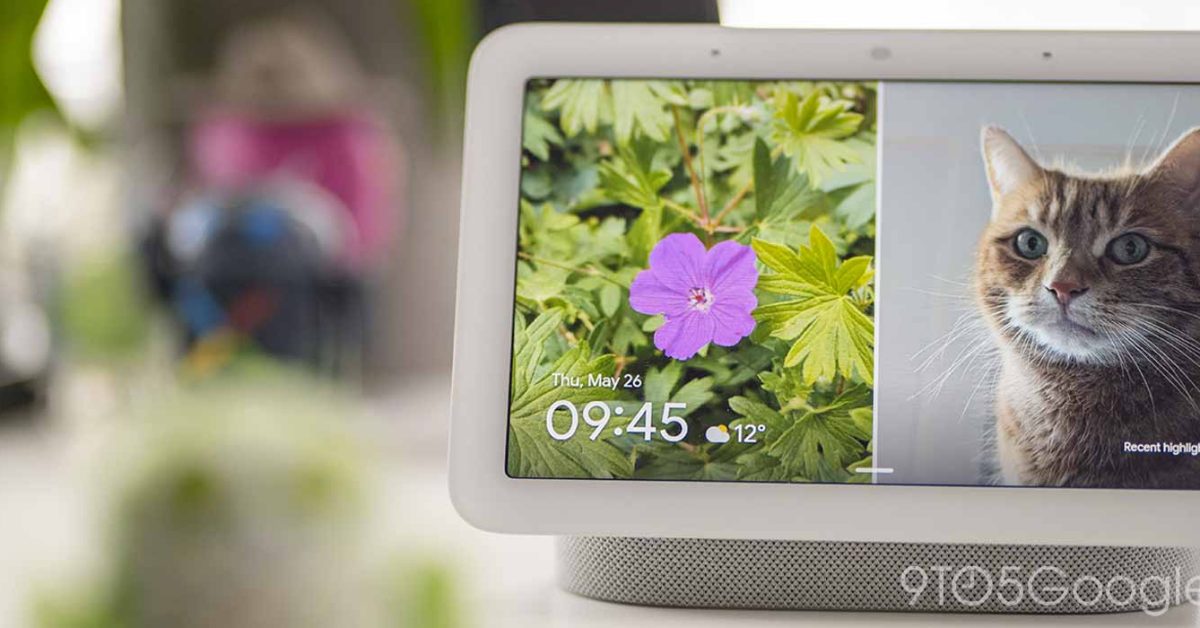
- A new device called "Google Home Display" has been identified within the iOS Google Home app code, signaling a potential successor to the aging Nest Hub series.
- The move aligns with Google's recent pivot toward the "Google Home" branding, which coincides with the upcoming launch of the Google Home Speaker and the integration of Gemini AI.
- While specific specs are currently unavailable, industry experts anticipate a hardware refresh that prioritizes AI performance and provides multiple screen size options for various home environments.
A Long-Awaited Hardware Refresh
For years, Google’s smart display lineup has remained stagnant, leaving enthusiasts wondering about the future of the Nest Hub. While the original Google Home Hub and the subsequent Nest Hub (2nd Gen) and Nest Hub Max defined the category, the market has seen little innovation since 2021. However, fresh evidence suggests a major shift is on the horizon. Code discovered within the latest Google Home app for iOS hints that a new device, officially dubbed the “Google Home Display,” is currently in development.
Connecting the Dots: The Gemini Era
This discovery follows the recent announcement of the upcoming “Google Home Speaker,” which is slated for a release in Spring 2026. With Google aggressively transitioning its ecosystem toward Gemini—its powerful AI assistant—the need for hardware that can fully leverage these advanced capabilities has become apparent.
In October, Google Home chief Anish Kattukaran alluded to the smart display being the “ultimate form factor” for a superior home experience. While official confirmation was withheld at the time, the emergence of the “Google Home Display” branding suggests that Google is aligning its hardware naming conventions to match the simplicity of its new speaker line, moving away from the aging “Nest” branding.
What to Expect from the New Device
As spotted by researcher @aaronp613, the device appeared in a internal list within the Google Home app, nestled alongside existing Chromecasts, Nest Cams, and smart speakers. While technical specifications remain under wraps, market expectations are high:
- Unified Branding: Moving from “Nest Hub” to “Google Home Display” indicates a broader strategy to unify Google’s smart home hardware ecosystem.
- AI-Centric Hardware: Expect significant improvements in voice processing and visual AI integration to fully harness the Gemini assistant.
- Form Factor Variety: Community feedback strongly suggests a desire for multiple sizes—potentially an 8-inch model for bedside convenience and a larger 10-inch version to succeed the Nest Hub Max.
The Future of Smart Living
The gap since the 2nd-gen Nest Hub has been substantial, leaving room for competitors to capture market share. By integrating a new, powerful smart display into its ecosystem, Google aims to reclaim its position at the center of the connected home. With Google I/O on the horizon, we may soon see exactly how this “Google Home Display” intends to revolutionize our interaction with the home assistant. Stay tuned to Teknolojia.org for more updates as this story develops.