Empowering Women’s Health: Apple Integrates Perimenopause Tracking into iOS Health App

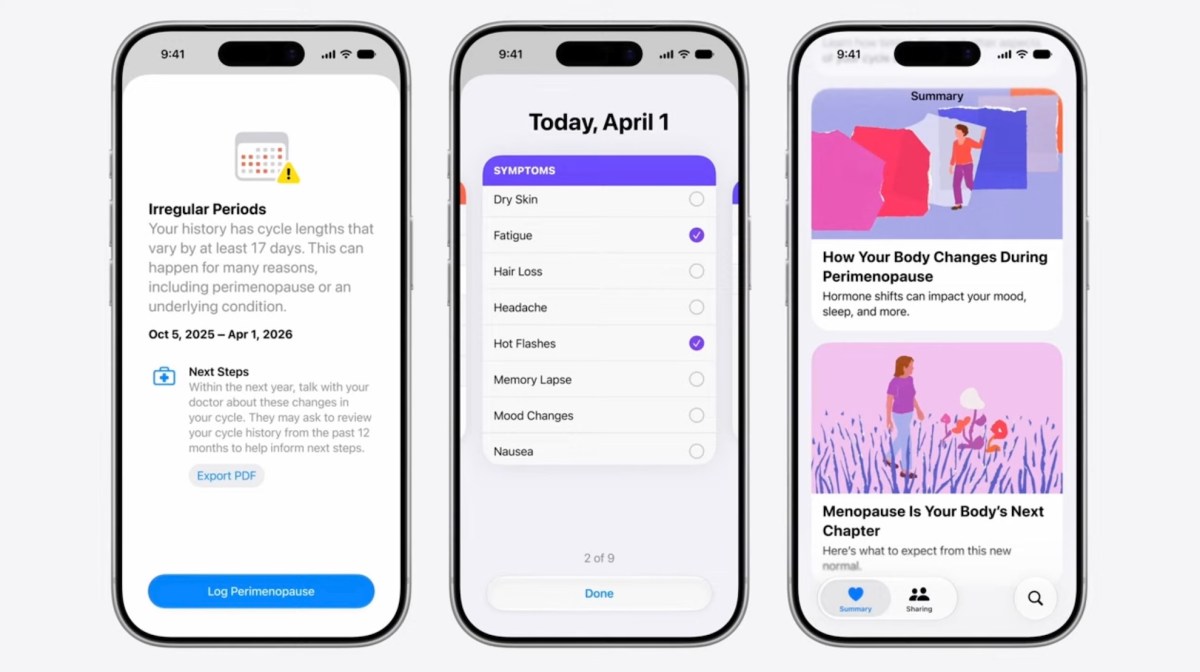
- Apple has integrated perimenopause and menopause tracking into its Health app, providing users with cycle pattern alerts.
- The feature includes symptom logging and educational content to help users prepare for medical consultations.
- This update addresses a rapidly growing global demand for digital tools that support women’s health throughout all life stages.
Revolutionizing Women’s Wellness via Intelligent Data
During the highly anticipated WWDC 2026 event, Apple officially announced a significant expansion to its Health ecosystem, introducing dedicated support for perimenopause and menopause. By integrating these features directly into the existing cycle tracking interface on iOS and Apple Watch, the tech giant is positioning itself at the forefront of the growing femtech market.
Understanding the New Perimenopause Features
The update leverages Apple’s sophisticated health algorithms to provide users with deeper insights into their physiological changes. As women transition through different life stages, hormonal shifts can result in irregular cycle patterns. The new software update addresses this by:
- Smart Notifications: Providing alerts when cycle data suggests a user may be entering perimenopause.
- Symptom Logging: Allowing users to record specific physical and emotional symptoms, creating a comprehensive log that aids in clinical consultations.
- Curated Educational Resources: Offering expert-backed insights to help users better understand the biological processes associated with menopause.
Why This Matters for Digital Health
The decision to include perimenopause tracking reflects a broader cultural shift. As awareness regarding women’s health in mid-life grows, digital solutions are becoming essential tools for both patients and healthcare providers. With over 1.1 billion women globally estimated to be in the postmenopausal stage as of last year, the market demand for accurate, data-driven health monitoring is massive.
Apple’s move aligns with a broader industry trend where venture capital and tech giants are heavily investing in specialized healthcare software. Companies like Midi Health have recently achieved unicorn status, proving that there is significant economic and social value in bridging the gap between personal health monitoring and professional medical care.
Bridging the Clinical Gap
Stacey Ford, Vice President of OS Product Management at Apple, emphasized that the goal is not to replace medical professionals, but to empower users. By organizing data into a clear, actionable format, Apple is helping users arrive at their doctors’ offices better prepared to discuss their symptoms and long-term health outcomes. This proactive approach to health management is a hallmark of Apple’s long-term strategy, which began with basic cycle tracking in 2019 and has since evolved into a complex medical toolset.
As these features roll out, users can expect a more seamless experience that prioritizes privacy while providing the necessary data to navigate the complexities of hormonal transitions with confidence and clarity.