Beyond OLED: Why the MacBook Pro’s Slimmer Future is the Real Game-Changer

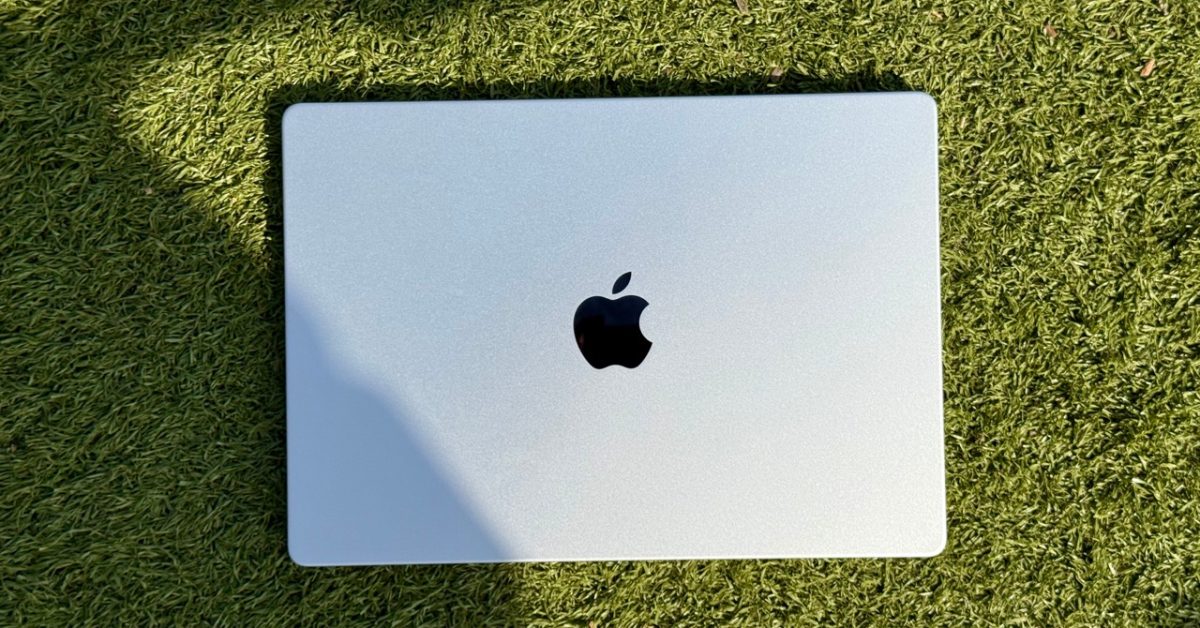
- Apple's upcoming 2026 MacBook Pro redesign will focus on a thinner, more portable chassis alongside M6 series chips.
- The shift aims to improve portability for the 16-inch model without sacrificing the high-performance thermal requirements of professional users.
- The new design is expected to launch exclusively on high-end M6 Pro and M6 Max configurations initially, setting a new standard for Apple’s professional laptop lineup.
A New Era for Apple’s Flagship Workstation
As we approach the anticipated 2026 refresh of the MacBook Pro, the tech community is abuzz with speculation. While flashy headlines are dominated by the transition to OLED display technology, the integration of the M6 Pro and M6 Max chips, and the rumored introduction of a Dynamic Island, there is a more subtle—yet potentially more impactful—evolution on the horizon: a thinner, more refined chassis.
The Portability Problem
For years, the 14-inch MacBook Pro has sat in a comfortable middle ground, but the 16-inch model remains a formidable, heavy piece of hardware. While professional users often prioritize performance over aesthetics, the sheer mass of the current generation can be a hurdle for mobile creatives. If Apple successfully slims down the footprint of its professional line without compromising the thermal integrity that silicon users demand, it could redefine what we expect from a “desktop-class” laptop.
Thermal Efficiency Meets Aesthetic Evolution
There is a lingering fear among enthusiasts that a slimmer MacBook Pro might result in a repeat of the 2016 design era, where performance was throttled by limited airflow. However, given the extreme efficiency of Apple Silicon, the landscape has changed. The company now has the thermal headroom to refine the internal architecture. By optimizing component density, Apple aims to improve portability without sacrificing the power that professionals require for heavy workloads like video rendering, 3D modeling, or software compilation.
The Great Debate: Pro vs. Air
Naturally, this shift has sparked debate. Purists argue that the “Pro” line should prioritize raw cooling and port density over thinness, reserving the “thin and light” aesthetic for the MacBook Air. Yet, technology marches toward convergence. A thinner, more capable MacBook Pro isn’t just about vanity; it’s about reducing the friction between the user and their workflow, making a powerful workstation feel as portable as an entry-level ultrabook.
What to Expect in 2026
- Phased Rollout: Reports indicate the redesign will first hit the higher-end M6 Pro and M6 Max configurations, with base models likely following in subsequent years.
- Display Innovation: While thinness is the focus for physical form, the switch to OLED remains the biggest leap in visual fidelity for the series.
- Balanced Engineering: The goal is a delicate equilibrium—maintaining the ‘Pro’ status (ports, battery, cooling) while achieving a more modern, travel-friendly silhouette.
As we count down to the official reveal, it’s clear that this update is about more than just a new screen or a faster processor. It is a fundamental rethink of how a professional, high-performance machine should feel in a modern, mobile-first world.