Beyond AI: Why Apple’s WWDC Strategy Shifted to Fundamentals

- Apple prioritized fixing core software UX issues over new AI features during the WWDC keynote.
- The controversial 'Liquid Glass' design has been made customizable, allowing users to adjust opacity and tinting.
- Significant performance gains were announced, including faster app launch times, improved AirDrop stability, and a completely rebuilt, more efficient search system.
Rebuilding the Foundation: A Strategic Pivot at WWDC
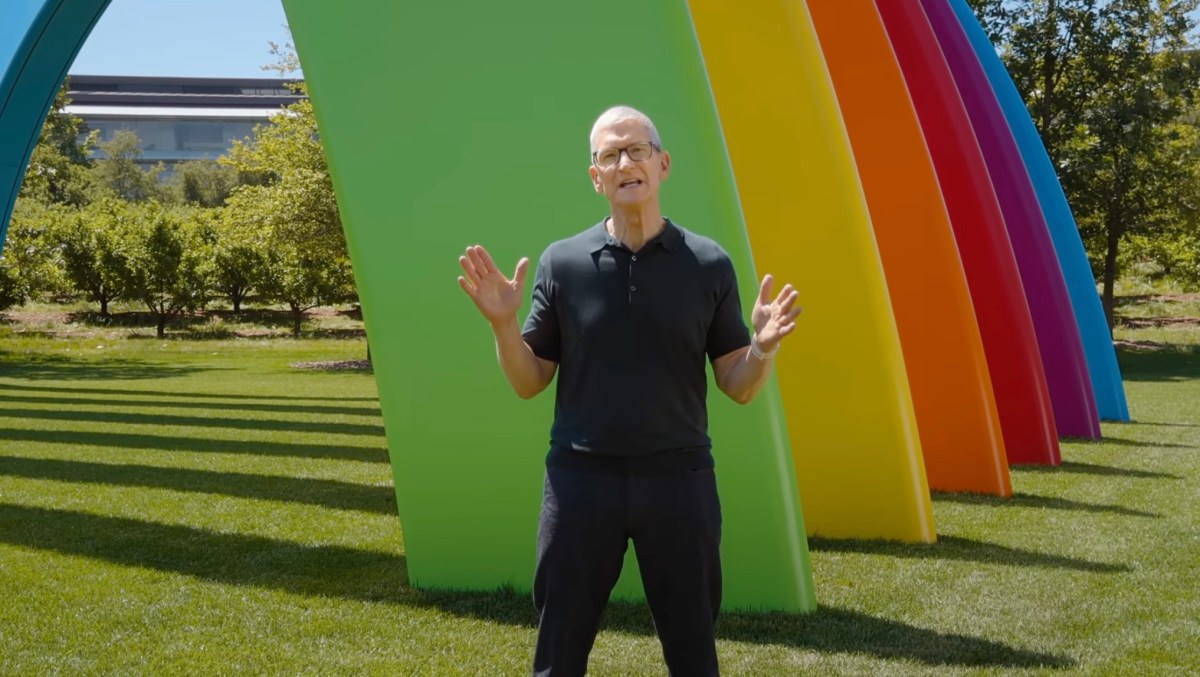
For years, Apple’s Worldwide Developer Conference (WWDC) has been the stage for grandiose announcements and futuristic leaps. However, this year’s event was notably different. Rather than leading with a headline-grabbing AI breakthrough, Apple’s senior vice president of Software Engineering, Craig Federighi, opened the keynote with a rare and calculated admission: the company needed to return to its roots.
Following a period marked by design controversies and frustrating software glitches, Apple’s strategy at this WWDC was clear—prioritize structural stability and user-centric refinement before doubling down on artificial intelligence. By “sweating the details,” the company aimed to regain the trust of its power users before asking them to integrate AI into their daily workflows.
Addressing the ‘Liquid Glass’ Backlash
The elephant in the room was the company’s polarizing “Liquid Glass” design language. Introduced in iOS 26, the aesthetic was widely criticized for prioritizing form over function, leading to significant readability issues across macOS and iOS. In a move that signaled a departure from Apple’s typically rigid design philosophy, the company acknowledged the negative feedback.
Apple’s director of human interface design, Shubham Kedia, announced new customization features, including a slider allowing users to toggle between the default look and a more traditional, tinted appearance. This shift towards modular UI preferences marks a significant concession to user demand, proving that Apple is finally listening to the community regarding usability.
Performance Under the Hood
Beyond design, the technical keynote focused heavily on optimizing legacy friction points that have hampered user experience:
- Speed Enhancements: iPhone and iPad applications now launch up to 30% faster, while photo library indexing has seen a 70% efficiency boost.
- Connectivity and Sharing: AirDrop, long plagued by reliability issues, has been overhauled to provide an 80% improvement in file transfer speeds.
- Search Revamp: A rebuilt search architecture now ensures near-instant indexing and a smarter ranking system for Mail, addressing one of the most persistent complaints among enterprise users.
Long-Term Hardware Support
In a subtle nod to the current economic reality where users retain their devices for longer periods, Apple emphasized that these performance gains are not exclusive to the latest hardware. By extending these optimizations to the iPhone 11 and newer, Apple is reinforcing the longevity of its ecosystem. For developers and power users, this focus on stability over shiny, superficial features may be the most important “announcement” Apple has made in years.
Ultimately, by shoring up its software foundation, Apple is positioning itself to implement future AI features on a stable, reliable, and user-appreciated platform. It is a maturation of the brand—prioritizing the utility of the product over the novelty of the feature set.