Apple Watch Series 12: What to Expect from Cupertino’s Next Wearable Flagship

- Performance Boost: A new 3nm-based S-series chip is expected, marking a significant CPU upgrade for long-term durability.
- Biometric Skepticism: Touch ID is currently considered unlikely, as Apple prioritizes battery capacity and existing health sensor integration.
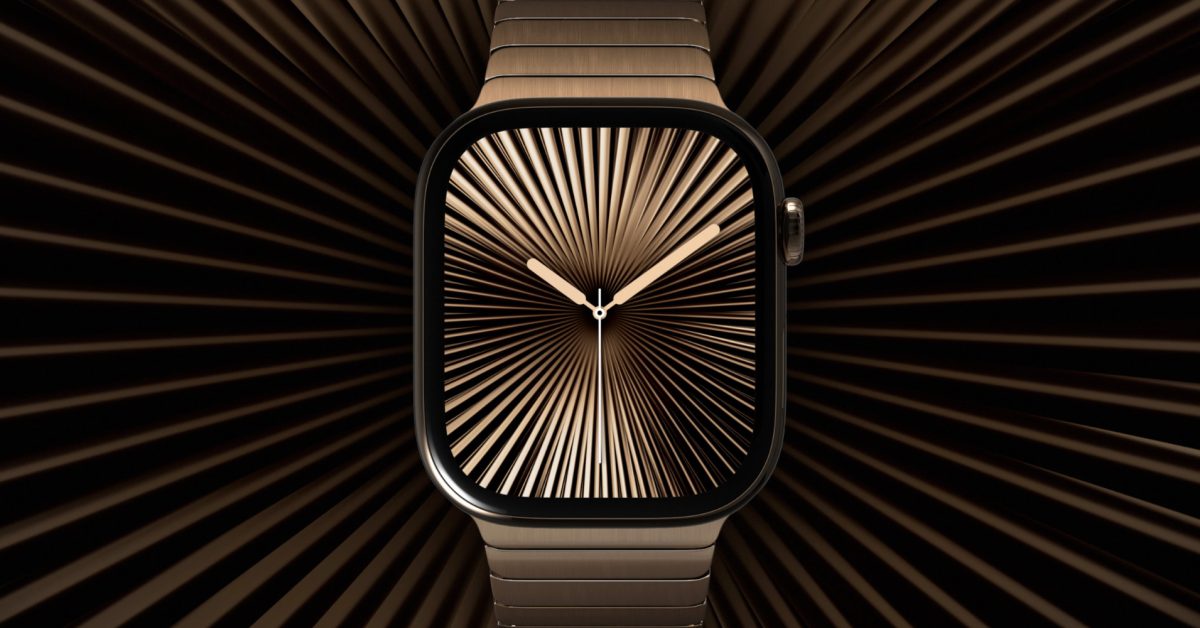
- Iterative Design: The Series 12 will likely maintain the aesthetic language of the Series 11, focusing on internal refinement rather than a physical redesign.
Anticipating the Apple Watch Series 12: A Steady Evolution
As the tech community approaches the annual September unveiling, excitement is building around the upcoming Apple Watch Series 12. While Apple has mastered the art of refinement, the Series 12 appears to be positioning itself as a performance-oriented upgrade rather than a radical design overhaul. For loyal users, the focus remains on internal efficiency and potential long-term longevity.
Performance Under the Hood: The New S-Series Chip
One of the most compelling reasons to consider the Series 12 is the expected leap in processing power. Apple historically upgrades its smartwatch silicon on a three-year cycle—following the S6 (2020) and the S9 (2023). By upgrading to a newer architecture, likely leveraging a 3nm fabrication process similar to the A19 mobile chip, Apple aims to deliver significant improvements in CPU efficiency and raw speed.
For users who prefer to hold onto their devices for several years, this internal refresh is a game-changer. Enhanced cores will not only ensure that the watch remains snappy under the latest watchOS updates but also improve background task management and overall battery longevity during intensive workloads.
The Touch ID Rumor Mill
Early reports and code leaks hinted at the integration of Touch ID into the Apple Watch. However, current consensus suggests this feature may remain off the table for this year’s model. The primary hurdle appears to be the physical footprint of the biometric sensor; engineers are reportedly concerned that sacrificing space for Touch ID would detract from the limited internal real estate needed for larger batteries or advanced health sensors.
Health and Future-Proofing
While the rumor mill has mentioned high-level ambitions like non-invasive blood glucose monitoring and expanded hypertension tracking, concrete evidence for these features remains elusive. Apple typically takes a conservative approach, ensuring that health metrics meet rigorous medical-grade standards before public release. As of now, the Series 12 is expected to focus on refining existing health suites rather than introducing revolutionary new biometric sensors.
Design and Verdict
From an aesthetic perspective, don’t expect a radical departure. The Apple Watch Series 12 is slated to maintain the familiar design language and display configurations established by its predecessor. The value proposition for this iteration lies in its potential for superior software performance, improved power efficiency, and the subtle, iterative improvements that define Apple’s ecosystem.
Ultimately, while the Series 12 might not offer a ‘flashy’ hardware revolution, it stands to be a robust, high-performance daily driver for anyone looking to upgrade from older hardware.